Ghana Explores Migrant Remittances for Development Impact
Migration experts are pushing Ghana to transform how it uses remittances sent home by citizens abroad. With structured investment systems and government trust-building, billions in yearly transfers could fuel sustainable development instead of just covering daily expenses.
Ghanaian migrants send billions home each year, but what if that money could build hospitals, schools, and businesses instead of just paying bills?
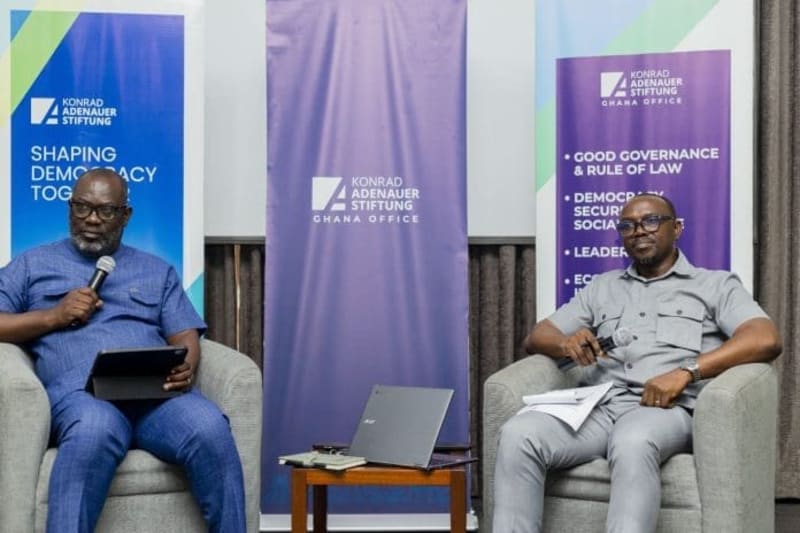
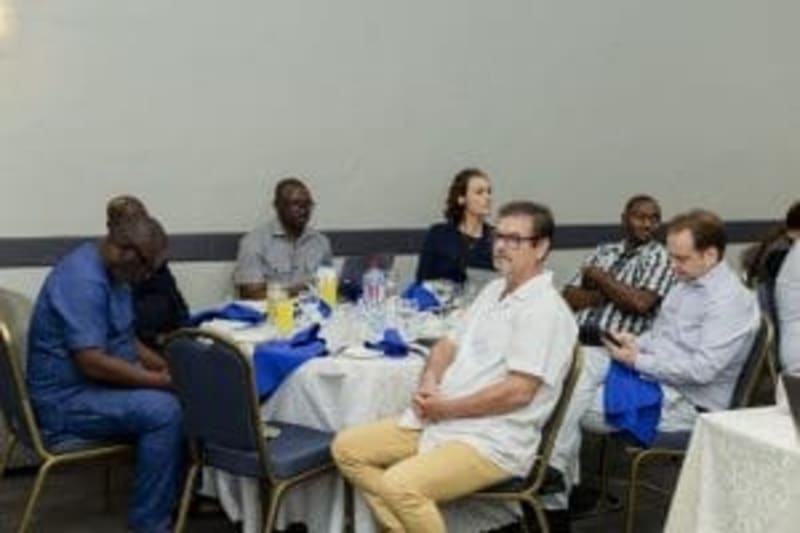
That's the vision stakeholders shared at a groundbreaking dialogue hosted by the Konrad Adenauer Stiftung (KAS) Ghana Office on February 3, 2026. The forum brought together policymakers, migration experts, and community leaders to reimagine how remittances can drive real development.
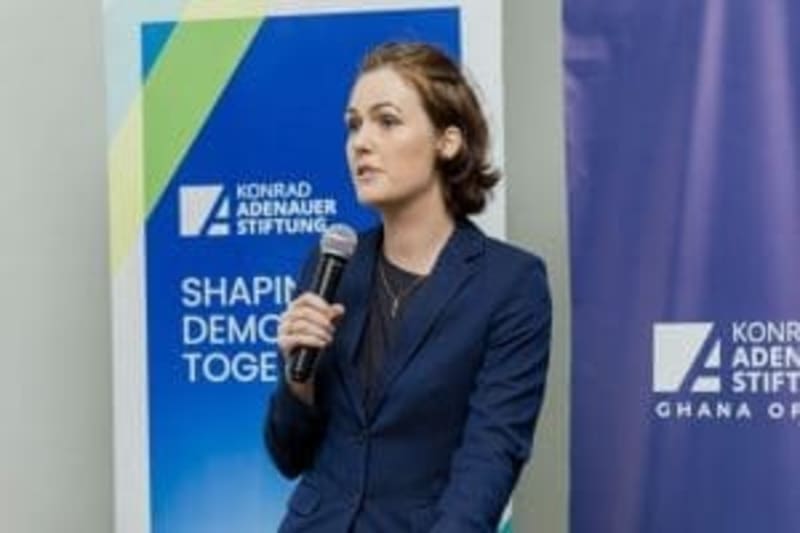
Anna Wasserfall, Country Representative of KAS Ghana, set the tone for the conversation. She emphasized that migration touches everyone, from families waiting for money transfers to governments planning national budgets.
"Migration can create opportunities through skills transfer, financial flows, innovation, and global networks," Wasserfall explained. But she acknowledged the challenges that come with cross-border movement.
The event's standout message came from Festus Owooson, Immigration and Operations Manager at Globetrotters Legal Affairs. He pointed to a critical gap: while remittances keep households afloat, weak policies prevent them from becoming true development engines.
"The money will be consumed, but if it is structured into investment instruments, it can become transformational," Owooson said. He highlighted successful models from Mexico and the Philippines, where governments match diaspora contributions to fund community projects.
The trust problem looms large. Owooson noted that Ghana has issued diaspora bonds before, but frequent government changes every four to eight years undermine investor confidence.
Without policy consistency, migrants hesitate to commit money long-term. Political transitions create uncertainty that keeps potential investment sitting in foreign bank accounts.
The Ripple Effect
The solution might lie in short-term financial tools that serve dual purposes. Treasury bills and regulated investment schemes could help families meet immediate needs while channeling funds toward productive national projects.
Countries that get this right see remarkable results. When governments match diaspora funding and maintain stable policies, small individual contributions snowball into transformational infrastructure and business development.
Ghana's older diaspora communities show particular investment interest, but they need credible data and consistent policies to take the leap. Building that trust requires more than promises, it demands institutional reliability.
The "Ma Yen Nkasa – Let's Talk" series continues feeding evidence-based perspectives into Ghana's public debate. By creating respectful dialogue spaces, organizers hope to bridge the gap between migration policy and development reality.
For the millions of Ghanaians working abroad and the families depending on their support, better systems could mean their sacrifices build lasting prosperity instead of just covering rent and groceries.
More Images

Based on reporting by Google News - Ghana Development
This story was written by BrightWire based on verified news reports.
Spread the positivity!
Share this good news with someone who needs it