Tanzania Study Reveals Flaw in Plastic Bag Bans
A nine-month study in Tanzania shows that well-intentioned plastic bag bans may be hurting the poorest communities while wealthier residents easily switch to alternatives. The research reveals a critical gap in environmental policy that ignores how millions survive day to day.
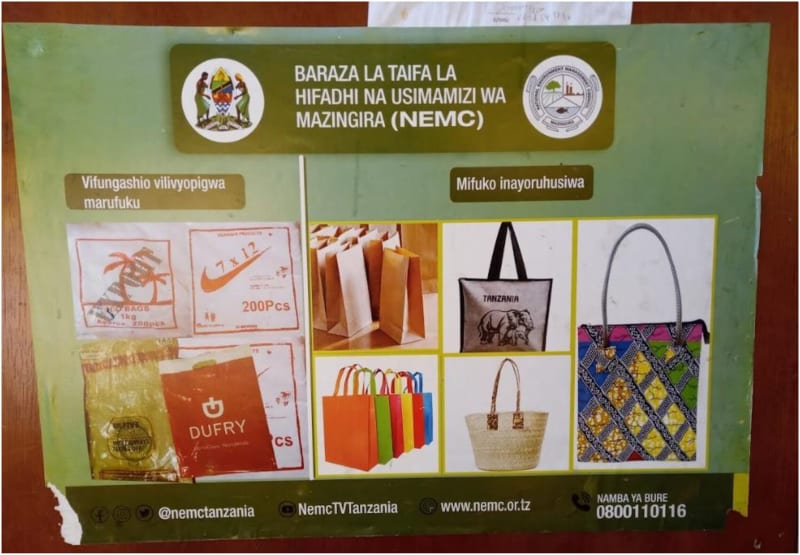
When Tanzania banned plastic bags in 2019, lawmakers thought they were protecting the environment. Six years later, a groundbreaking study reveals the ban created an unexpected divide between rich and poor.
Dr. Declan Murray from The University of Manchester spent nine months in Dar es Salaam watching how plastic moves through daily life. What he discovered challenges how the world thinks about fighting plastic pollution.
The ban successfully removed large plastic bags from supermarkets and wealthy neighborhoods. But in the city's poorest communities, small plastic pouches remain essential for survival.
These thin pouches package flour, oil, and cooked snacks in tiny portions. For families earning money day by day, buying food in small amounts is the only affordable option. Without cheap plastic pouches, shopkeepers have no practical way to sell these small portions.
Paper, cloth, and woven bags cost too much for low-income families. They're also too big or can't handle wet or hot foods. So the plastic pouches continue circulating quietly, helping people manage what locals call "the search for life," the daily struggle to earn enough money.
Dr. Murray calls this gap "The Plastic Divide." Wealthier residents easily afford reusable bags and buy pre-packaged goods from supermarkets. Poor families depend on small shops, street vendors, and local markets that need these pouches to function.
The research, published in the Journal of Material Culture, also reveals how many people earn their living from plastics. Small manufacturers, market sellers, and bicycle-riding wholesalers all depend on selling pouches. Others reuse plastic creatively as cooking fuel, rain protection, or insect barriers.
"People aren't using plastic because they want to harm the environment," Dr. Murray explained. "They're using it because it's the only option that works for them."
The Bright Side: This research is already changing how environmental groups think about plastic bans. The study shows that reducing plastic waste must support people's daily needs at the same time, whether through truly affordable alternatives or involving low-income communities in designing solutions.
More than 120 countries have banned plastic bags, but few considered how these laws affect their poorest citizens. Tanzania's experience offers a roadmap for creating environmental policies that protect both the planet and the people living on it.
The study raises an important question for policymakers worldwide: How can we fight pollution without punishing poverty? Dr. Murray's work proves that simple solutions on paper can create complex problems on the ground.
Real environmental progress happens when policies understand the lives of everyone they touch, not just those who can afford alternatives.
More Images

Based on reporting by Phys.org - Earth
This story was written by BrightWire based on verified news reports.
Spread the positivity!
Share this good news with someone who needs it