Ghana Farm to Supply 3,000 Tonnes of Tomatoes This Year
A major Ghanaian farm is stepping up to bridge the country's tomato shortage with 3,000 tonnes by year-end. The move could stabilize prices and reduce Ghana's reliance on imports.
Ghana's tomato shortage is about to get a whole lot smaller thanks to one farm's ambitious production plan.
Maphlix Farms in Dawhenya has committed to supplying 3,000 tonnes of fresh tomatoes to Ghana's domestic market by the end of this year. The timing couldn't be better. Recent import restrictions from neighboring countries left Ghana facing a serious supply gap that drove prices up across the country.
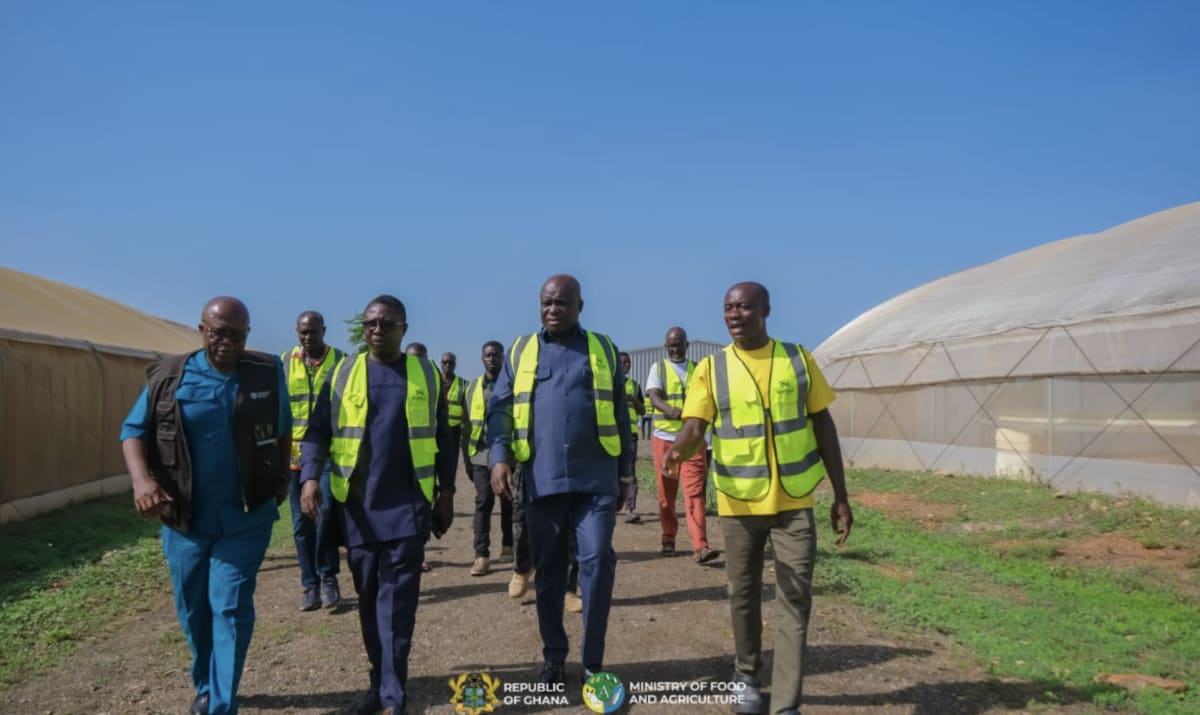
Agriculture Minister Eric Opuku visited the farm to see their progress firsthand. What he found was promising: harvesting has already begun, with workers picking fresh produce every three days to keep stores stocked.
The farm is using a smart combination of greenhouse and open-field growing systems. This dual approach means they can keep producing year-round, avoiding the seasonal shortages that typically send tomato prices soaring when supply runs low.
Quality has been a sticking point for locally grown tomatoes in Ghana. Traders and consumers have raised concerns about how long homegrown varieties last compared to imports.
The Ministry of Food and Agriculture is tackling this head-on by partnering with research institutions like the Council for Scientific and Industrial Research. Together, they're developing climate-resistant tomato varieties that yield more and stay fresh longer on store shelves.
The Ripple Effect
Maphlix Farms represents something bigger than just one harvest. Their success shows how private sector investment can solve real food security challenges without waiting for government solutions alone.
The farm isn't stopping at 3,000 tonnes either. They're planning to expand production further and explore tomato processing options that would reduce waste and add value to their crops.
For Ghanaian consumers, this means more stable tomato prices in the months ahead. For traders, it means reliable local supply they can count on. And for Ghana's economy, it means less money flowing out of the country to pay for imported tomatoes.
The Ministry is urging patience as these interventions take hold, but the message is clear: help is already growing in the fields.
Fresh tomatoes picked every three days are already making their way from Dawhenya to markets across Ghana, one harvest at a time.
Based on reporting by Myjoyonline Ghana
This story was written by BrightWire based on verified news reports.
Spread the positivity!
Share this good news with someone who needs it
%2Ffile%2Fattachments%2Forphans%2FMLJoburg-91_220988.jpg)