Ghana Festival Turns Slave Resistance Into Tourism Hope
A Ghanaian community that built walls to resist slave raiders now hosts a festival transforming that history into economic opportunity. The Tanjia Musa Fire Festival is opening Northern Ghana to heritage tourism while honoring ancestors who chose freedom.
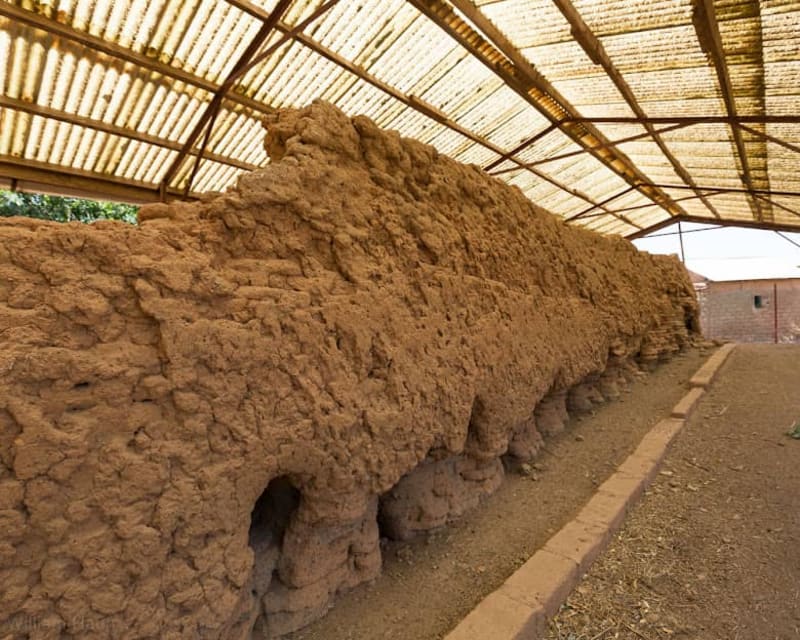
In Gwollu, Ghana, a defensive wall built centuries ago to stop slave raiders now stands as a monument to resistance and a gateway to opportunity.
The village in Ghana's Upper West Region faced attacks from all directions during the slave trade era. Raiders feeding both Atlantic coastal routes and northern Saharan networks threatened the community's existence, forcing residents to make a choice.
They built a wall and fought back. That barrier became one of West Africa's clearest examples of organized resistance to enslavement, rooted in unity and collective survival.
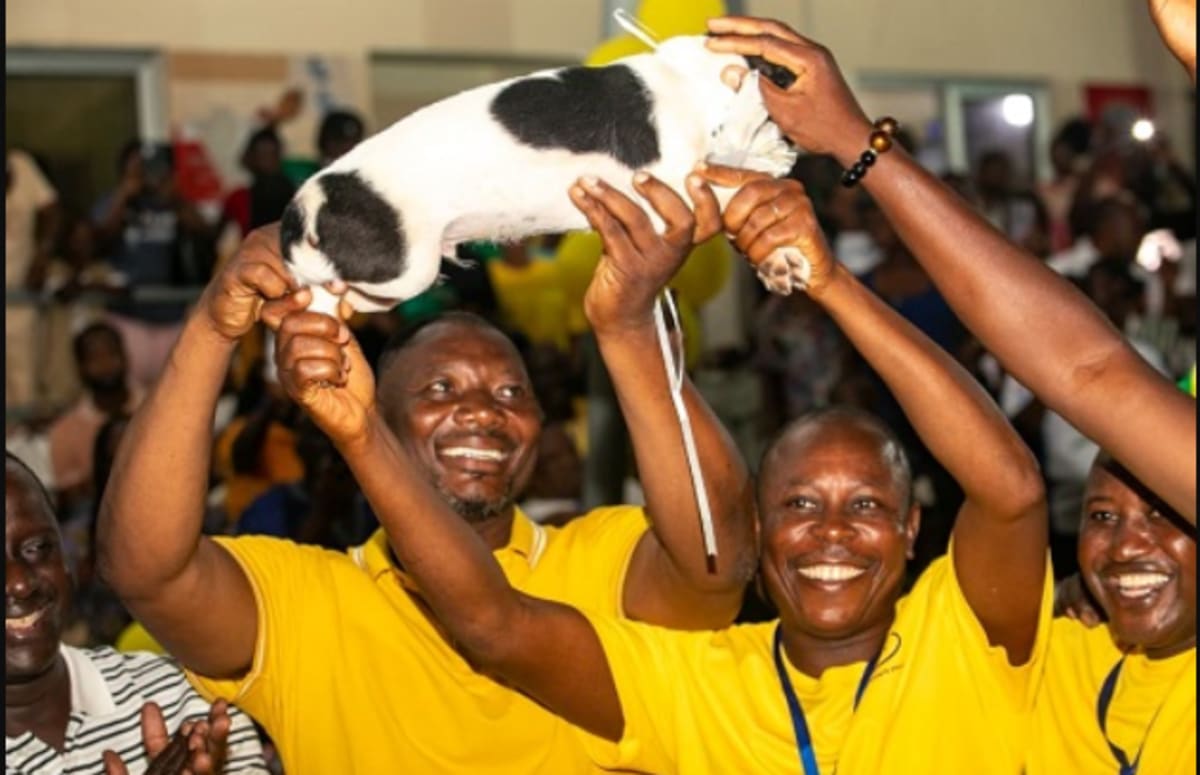
Now the late Paramount Chief Kuoro Kuri-Buktie Limann IV's vision ensures that story won't fade. He founded the Tanjia Musa Fire Festival to preserve Gwollu's resistance history through African voices, not just external historians.
His son Junaid Limann now leads the festival, expanding it into a three-part cultural and economic platform. The annual celebration in Gwollu features music, storytelling, film, and guided tours of the historic wall where ancestors made their stand.
A music and arts residency brings global scholars and artists together to explore African resistance histories through creative work. They ensure Gwollu's story reaches worldwide audiences while fostering meaningful cultural exchange.
The third component connects the dots across West Africa. An expedition drive from Accra to Dakar traces historic corridors through seven nations, documenting resistance stories and building Pan-African dialogue along routes once used for extraction.
The Ripple Effect
Ghana's government is backing the vision with real support. The Diaspora Affairs Office, Ghana Tourism Authority, Northern Development Authority, and National Commission on Culture have all engaged with the festival, recognizing its potential.
That partnership is opening Northern Ghana to heritage tourism, hospitality services, creative industry investment, and diaspora-led enterprise. Economic benefits flow directly to local communities while preserving the historical integrity that makes the story worth telling.
The festival offers something rare: culture-driven growth that honors the past while building sustainable futures. Visitors don't just learn history, they experience it where it happened and support the descendants of those who resisted.
What began as defensive walls now builds bridges connecting diaspora communities, investors, scholars, and future generations to a story of courage that refused erasure.
The fire that once warned of danger now lights the way forward.
Based on reporting by Myjoyonline Ghana
This story was written by BrightWire based on verified news reports.
Spread the positivity!
Share this good news with someone who needs it