Ghana Fights Back Against AI Identity Theft Wave
Ghanaian celebrities and journalists are exposing a surge in AI-generated deepfakes using their faces to sell fake products. Their public warnings are sparking crucial conversations about digital rights and driving legal action across Africa.
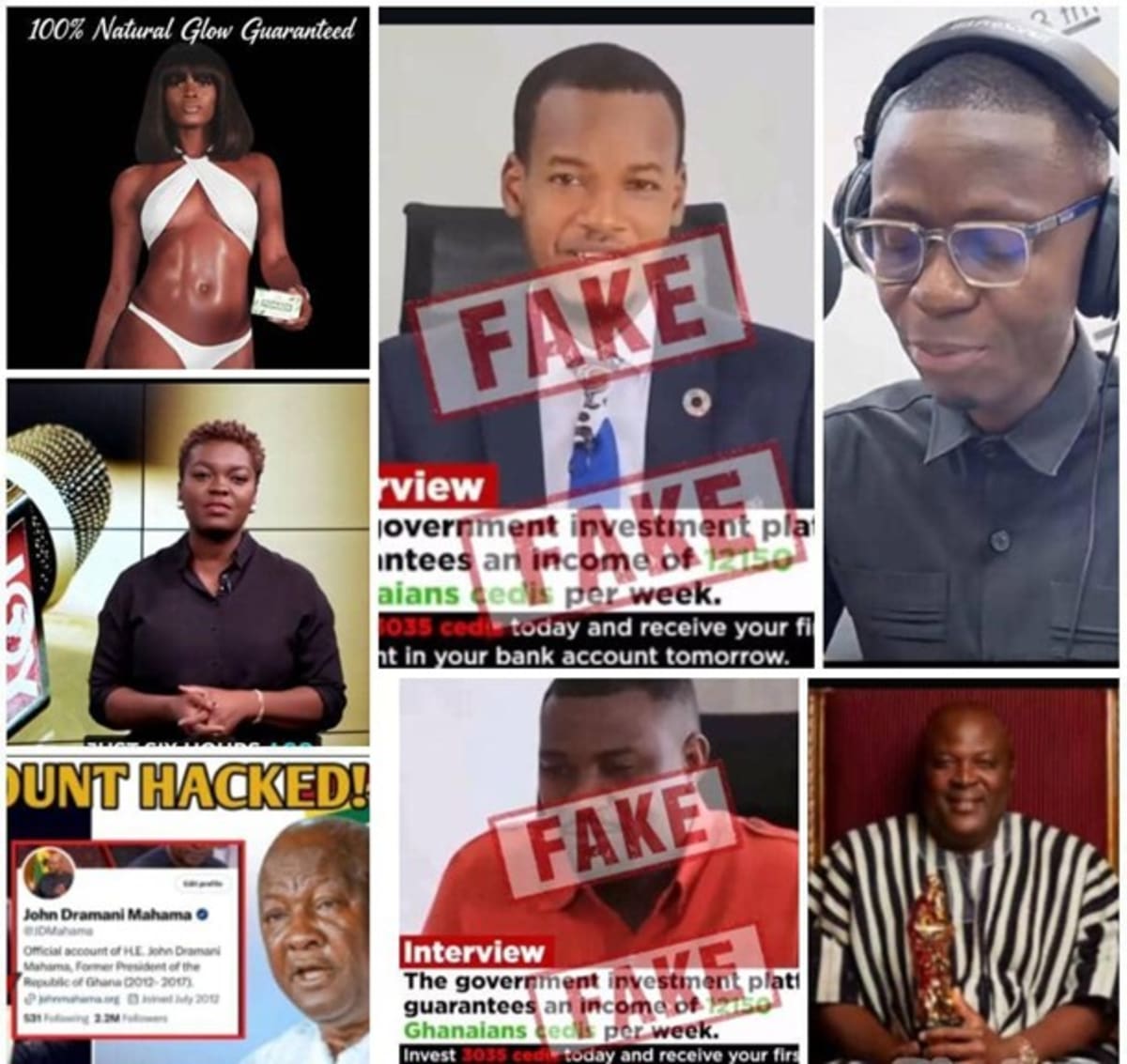
When Ghanaian model Savannah Adwoa Mensah saw her face selling herbal skincare on Facebook, she knew instantly something was wrong. The image looked almost perfect, almost her, but she'd never agreed to promote the product.
It was an AI-generated deepfake, and she was far from alone. Journalist Maame Esi Nyamekye Thompson discovered her digital twin promoting a fake diabetes treatment. Broadcaster Bernard Avle heard his own voice cloned to sell fraudulent products.
Rather than staying silent, all three went public with warnings. Mensah reported the fake page and told her followers directly: "If you see an ad of me promoting this product, it's not me." Thompson laughed off the bizarre impersonation online, alerting thousands to the scam.
Their courage is shining a light on a continent-wide crisis. In South Africa, two news anchors were deepfaked into investment scam videos that racked up over 250,000 views. A 2025 TransUnion Africa report revealed deepfake fraud surged sevenfold across Africa in late 2024.
But visibility is driving action. Technology lawyer Desmond Israel says Ghana's Data Protection Act and constitutional privacy protections give victims real legal tools. "If someone's image or voice is used without their consent, there is clear liability," he told The Fourth Estate.
The challenge isn't just legal, it's educational. Media literacy expert Stephen Tindi warns that these technologies are "more common than we know" and urges constant vigilance when browsing online.
Why This Inspires
What makes this story hopeful isn't just that victims are speaking up. It's that their warnings are working. Each public callout educates thousands about deepfake dangers, making communities harder to fool.
By refusing to let their stolen identities be weaponized in silence, these Ghanaian figures are building collective awareness faster than scammers can adapt. They're showing that transparency and courage can be powerful antidotes to digital deception.
Ghana's courts haven't yet tackled major synthetic media cases, but Israel believes the legal framework is ready when they do. The real breakthrough is happening in public consciousness, where every shared warning becomes a shield for someone else.
African nations are learning what works: quick platform reporting, loud public denials, and communities that verify before they trust. These early defenders are writing the playbook for digital self-defense across the continent, one honest post at a time.
Based on reporting by Myjoyonline Ghana
This story was written by BrightWire based on verified news reports.
Spread the positivity!
Share this good news with someone who needs it