Ghana Gets 50MW Solar Plant, 300 Jobs in Yendi
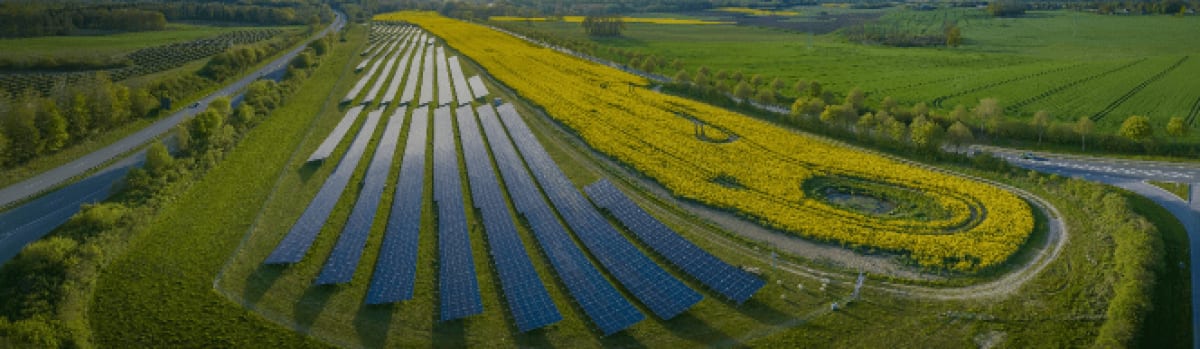
A fully Ghanaian-owned solar power plant will add 50 megawatts of clean energy to the national grid by March 2026, creating 300 jobs in northern Ghana. The project marks the country's second-largest solar installation and signals Africa's renewable energy leadership.
Ghana is building a brighter future, one solar panel at a time, as the nation's largest locally owned renewable energy project nears completion in Yendi.
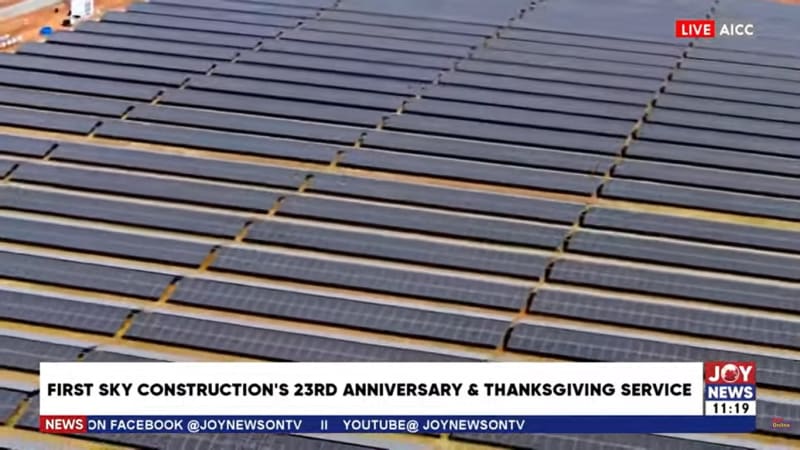
First Sky Energies will launch its 50-megawatt solar power plant in March 2026, adding significant clean energy capacity to Ghana's national grid. The facility sprawls across 140 acres in the Northern Region's Yendi District, where construction crews are installing thousands of photovoltaic panels.
Founder Eric Seddy Kutortse announced the milestone during his company's 23rd anniversary celebration in Accra. He emphasized that the project represents more than just infrastructure development. It's a statement about Ghanaian entrepreneurship and the nation's commitment to sustainable growth.
The plant stands out as the country's second-largest solar installation and the biggest fully Ghanaian-owned utility solar project. This distinction matters because local ownership means profits and expertise stay within Ghana's borders, strengthening the domestic renewable energy sector.
The timing couldn't be better. Ghana has faced periodic power shortages, and this new facility will help stabilize electricity supply for homes and businesses across the country. Reliable power means children can study after dark, hospitals can operate life-saving equipment, and businesses can grow without interruption.
The Ripple Effect
The impact extends far beyond kilowatt hours. First Sky Energies expects to create 300 jobs when the plant becomes fully operational, with opportunities concentrated in northern Ghana's communities.
These aren't just construction positions. The facility will need ongoing maintenance, technical support, and administrative staff, providing stable employment in a region that has historically faced economic challenges. Local workers will gain valuable skills in renewable energy technology, positioning them for future opportunities as Ghana expands its green energy infrastructure.
The project aligns with United Nations development goals for affordable clean energy, decent work, and climate action. It also advances Ghana's ambition to become a regional leader in renewable energy across West Africa.
By choosing solar power over fossil fuels, Ghana reduces its carbon footprint while building energy independence. The 50 megawatts of clean electricity will power thousands of homes without contributing to air pollution or climate change.
Kutortse framed the investment as building "a future that is not only prosperous but sustainable," capturing the dual promise of renewable energy projects. They create immediate economic benefits while protecting the environment for future generations.
As Ghana plugs in its newest solar facility next year, the nation takes another step toward energy security powered by its most abundant natural resource: sunshine.
Based on reporting by Myjoyonline Ghana
This story was written by BrightWire based on verified news reports.
Spread the positivity!
Share this good news with someone who needs it