Ghana Gets Africa's Largest Drone Factory by June 2026
A Nigerian startup is building Africa's biggest drone manufacturing plant in Ghana, creating 120 engineering jobs while giving the continent new tools to protect itself. Terra Industries aims to produce 50,000 drones annually by 2028, all designed and built on African soil.
Africa's most-funded defense technology startup is making a big bet that homegrown innovation can solve the continent's security challenges better than foreign suppliers ever could.
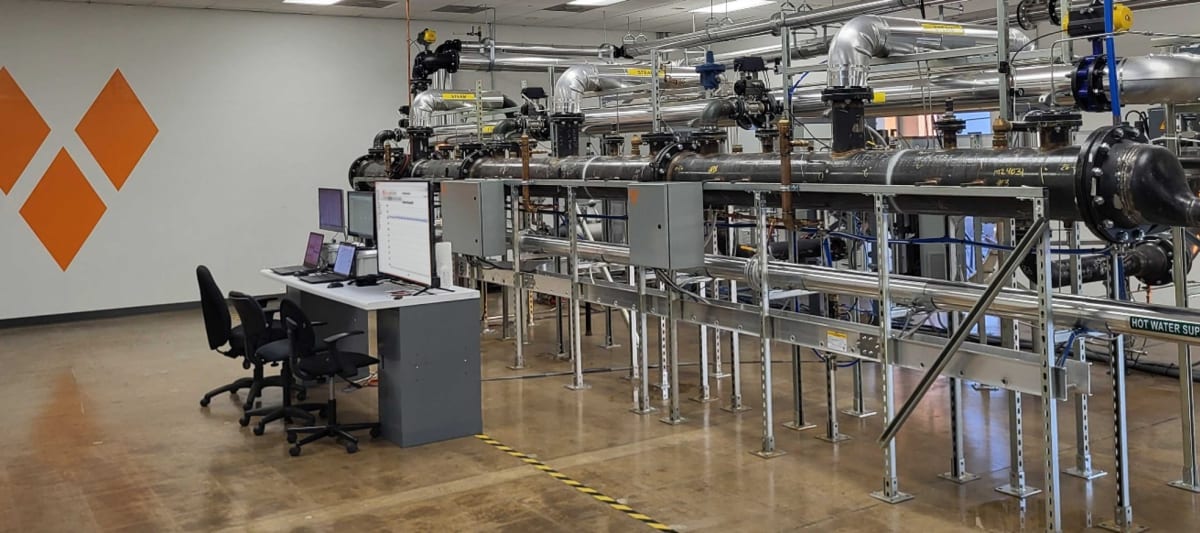
Terra Industries is constructing a 34,000-square-foot drone factory in Accra, Ghana, set to open its doors in June 2026. The facility will be Africa's largest drone manufacturing plant and will produce three types of aircraft designed specifically for African conditions and threats.
The new factory, called Pax-2, more than doubles the size of Terra's original plant in Abuja, Nigeria. It will create 120 engineering positions and manufacture surveillance drones, tactical deployment systems, and a high-speed interceptor that reaches 300 kilometers per hour.
The timing couldn't be more critical. Armed groups across West Africa's Sahel region conducted 89 drone attacks between 2023 and 2025, and suicide drones struck Niger's main airport just months ago. Most African militaries lack the technology to detect or stop these small, weaponized aircraft.
Terra's systems already protect $11 billion worth of infrastructure across eight African countries, including hydropower plants, lithium mines, and oil facilities. The company sells its drones with proprietary software on a subscription model, ensuring continuous updates and support.
Founded in 2024 by Nathan Nwachuku and Maxwell Maduka, Terra has raised $34 million in 2026 alone. Major investors include Silicon Valley firms 8VC and Lux Capital, plus Resilience17 Capital from Flutterwave's CEO.
Ghana earned the factory location through its engineering talent pool and commitment to becoming a serious defense exporter. The country is positioning itself as a regional manufacturing hub while creating high-skilled jobs for its workforce.
The Ripple Effect
Terra's expansion represents more than one company's growth. It signals a shift toward African countries solving African problems with African-made technology.
The company recently partnered with Nigeria's Defense Industries Corporation to establish local assembly operations and training programs. This collaboration brings private sector innovation into the formal defense manufacturing structure, creating a blueprint other nations might follow.
Eleven African countries now face drone threats from non-state actors who attach explosives to cheap commercial aircraft. While some governments have purchased expensive Turkish military drones, affordable counter-drone defenses remain scarce across the continent.
Terra's new Kama interceptor drone aims to fill that gap at a price point African nations can afford. Local manufacturing also means faster delivery, easier maintenance, and no dependence on foreign supply chains that can be disrupted by geopolitics.
Whether African governments will choose homegrown suppliers over established foreign contractors remains to be seen. But Terra is proving that world-class defense technology can be designed, built, and supported entirely on African soil.
The future of African security may well be taking shape in an Accra factory right now.
More Images




Based on reporting by Google News - Nigeria Tech Startup
This story was written by BrightWire based on verified news reports.
Spread the positivity!
Share this good news with someone who needs it