Ghana Gets $1.5M for AI Health and Peace Projects
Ghana just launched three game-changing projects backed by Japan, the UN, and WHO to bring artificial intelligence to healthcare, transform digital government, and build peace in conflict zones. The $1.5 million investment could position the West African nation as a model for how technology drives both progress and human security.
Ghana is betting big on artificial intelligence to solve some of its toughest challenges, and the world is watching.
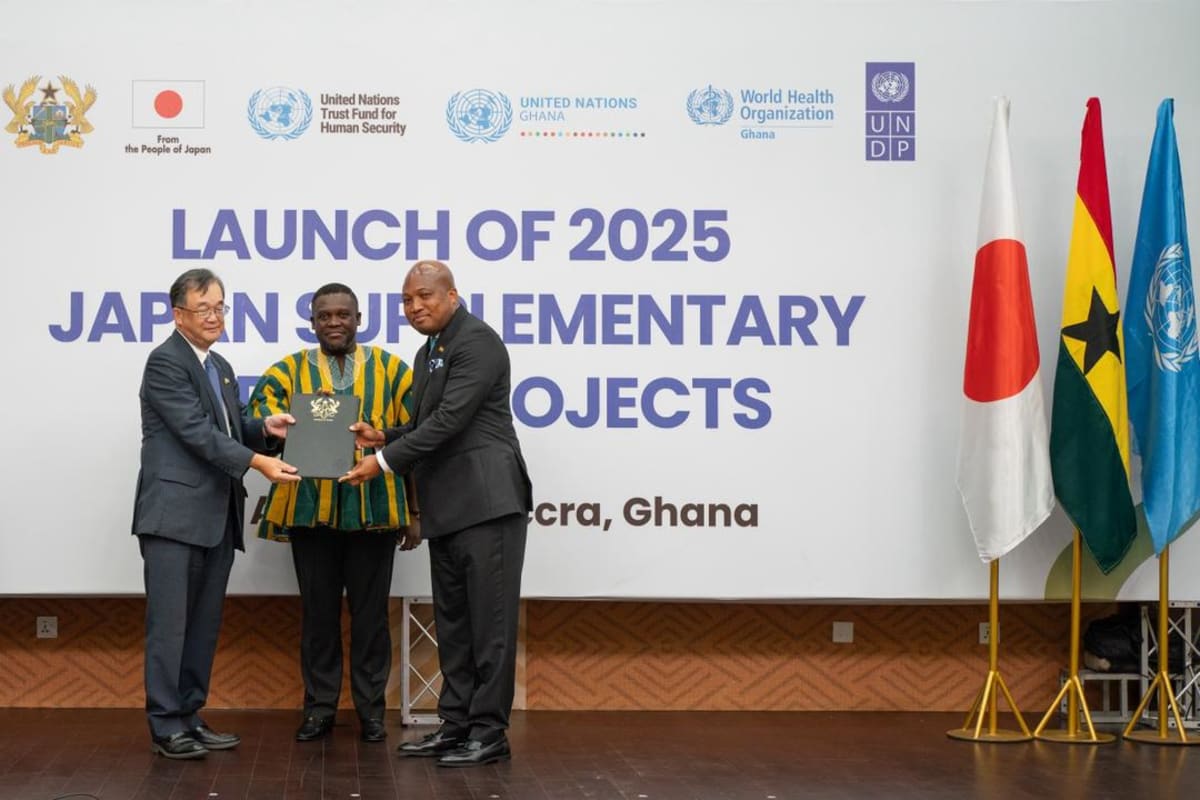
The government launched three ambitious projects Wednesday with backing from Japan, the United Nations Development Programme, and the World Health Organization. Together, the initiatives bring $1.5 million in funding to tackle healthcare gaps, modernize government services, and restore peace to the conflict-affected Bawku region in the Upper East.
The timing couldn't be better. AI could add nearly $20 trillion to the global economy by 2030, and Ghana is positioning itself to capture its share of that opportunity.
Cabinet just approved a national AI strategy that President John Dramani Mahama will unveil on April 24. The framework will guide how the country uses artificial intelligence responsibly, ensuring it helps people rather than replacing them or deepening inequality.
One project focuses specifically on using AI to strengthen healthcare systems, helping doctors make better decisions and reaching communities that traditional services miss. Another aims to build digital capacity across Ghana's public sector, bringing government services into the modern era.
The third tackles something even more urgent: peacebuilding in Bawku, where ongoing tensions have disrupted lives and livelihoods. Ghana's Foreign Affairs Minister Samuel Okudzeto Ablakwa called the projects "transformative," saying they address the nation's most pressing needs in conflict resolution, digital governance, and universal health coverage.
The Ripple Effect
Ghana's experience could reshape how developing nations approach technology. The WHO sees the country as a testing ground for AI governance frameworks, data privacy protections, and climate-health early warning systems that could benefit all of West Africa.
Dr. Fiona Braka, WHO's representative in Ghana, noted that while AI brings risks around privacy and equity, strategic planning can turn it into a force for good. The projects touch on 13 of the 17 United Nations Sustainable Development Goals, showing how one smart investment can create multiple positive outcomes.
Japan's Ambassador Yoshimoto Hiroshi emphasized that all three projects serve a common goal: human security. That means protecting people from both violence and poverty, ensuring they have freedom from fear and freedom from want.
The partnership builds on 70 years of cooperation between Ghana and Japan. This latest investment proves that relationship keeps delivering practical benefits for everyday Ghanaians, from improved healthcare to safer communities.
With less than a decade left to achieve the UN's development goals, Ghana is showing that technology and humanity can work together to create lasting change.
Based on reporting by Google News - Ghana Development
This story was written by BrightWire based on verified news reports.
Spread the positivity!
Share this good news with someone who needs it