Ghana Gives Local Communities Mining Veto Power
Ghana just flipped the script on mining corruption by requiring local approval before any company can dig. District committees will now review every mining application before officials in the capital can issue a single license.
Ghana is putting power back in the hands of the people who actually live near mining sites. Under a sweeping overhaul of the country's mining laws, no company can extract minerals without approval from newly created District Mining Committees first.
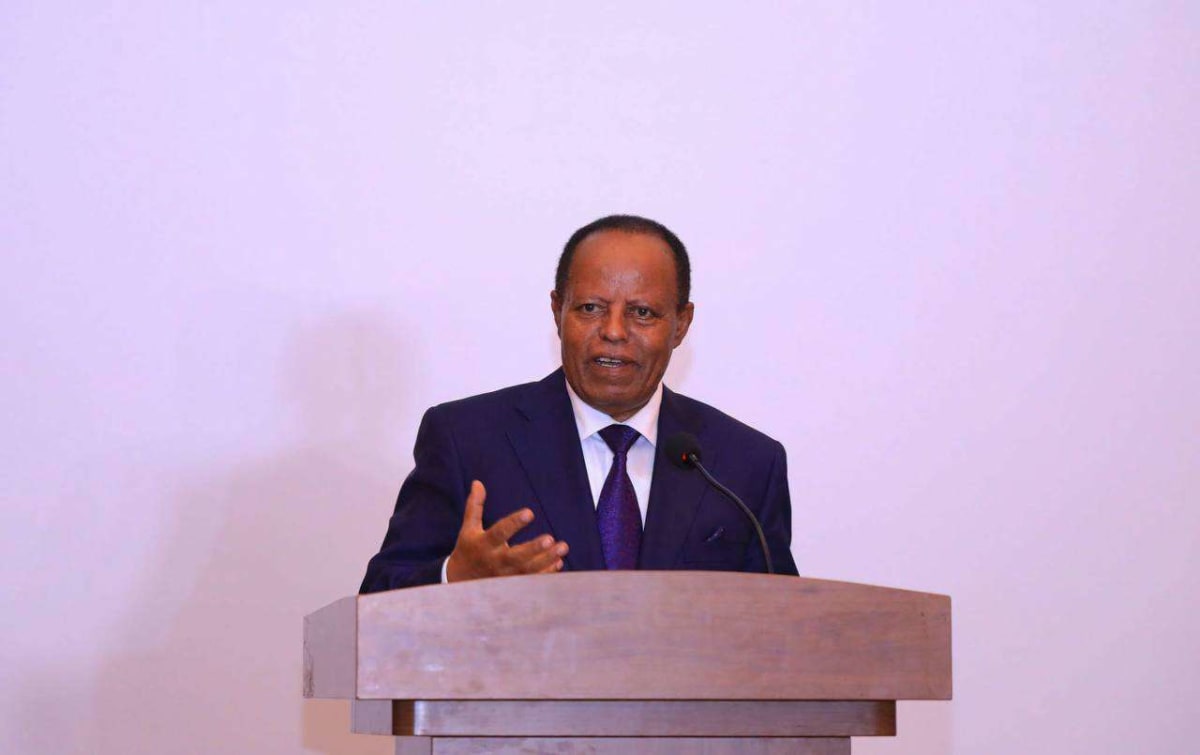
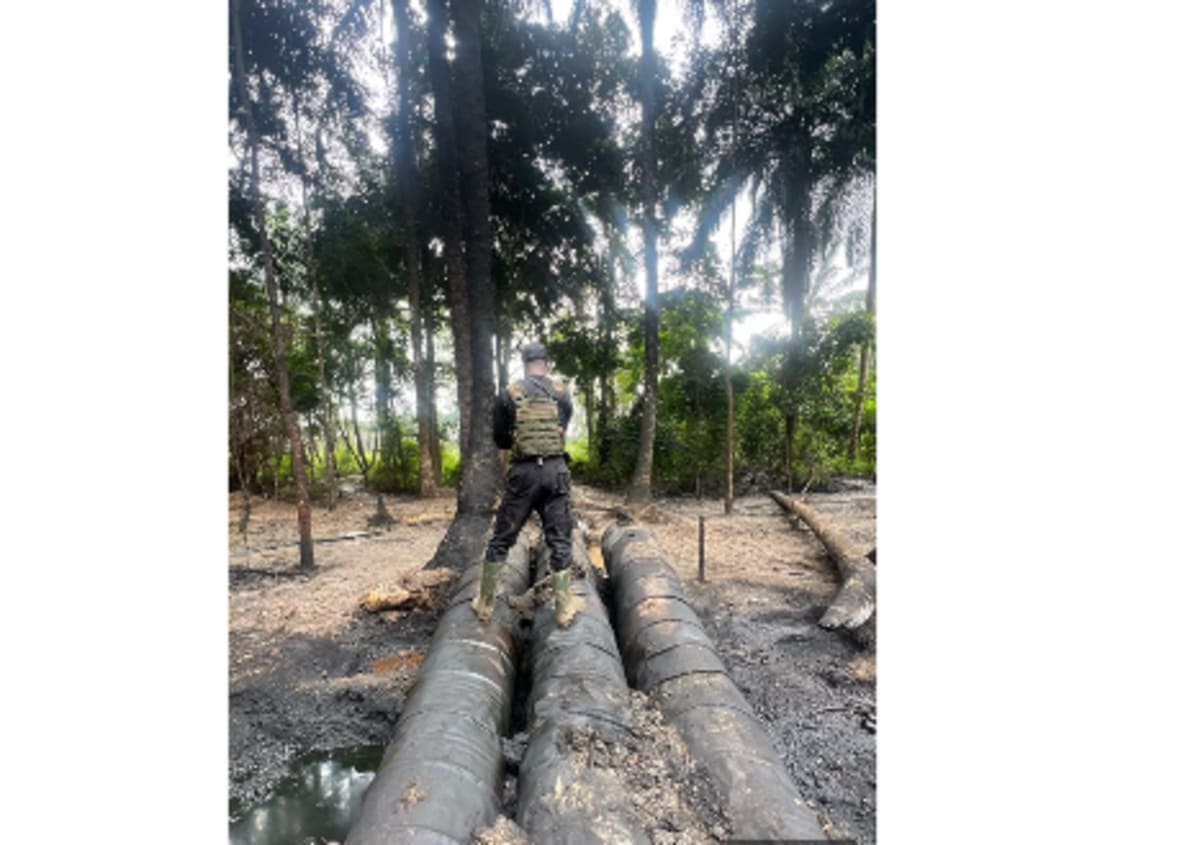
The reform tackles a problem that's plagued Ghana for years: illegal mining operations that devastate local environments while bypassing communities entirely. Minister Emmanuel Armah Kofi Buah announced the changes during a high-profile visit by Vice President Jane Naana Opoku-Agyemang on January 27.
Here's how it works now. Mining companies must face district-level committees that include traditional authorities and local leaders before their applications even reach the Minerals Commission or Environmental Protection Authority in Accra. Only after district recommendations arrive in the capital can officials issue licenses.
"The new idea is critical because we believe that authority must start from the district, from the traditional authorities, from the local place where the mining is going to take place," Minister Buah explained. The reform represents a complete rewrite of Mining Act 703.
The Ripple Effect
This decentralization could transform mining across West Africa. By requiring local consent, Ghana is creating a model where communities become partners in resource management rather than victims of it. Traditional leaders who've watched their lands destroyed without input now hold genuine veto power over operations that affect their people's water, farmland, and health.
The timing matters too. Illegal mining has accelerated across Ghana in recent years, poisoning rivers and destroying forests while enriching criminal networks. These district committees create accountability at the source, where corruption is hardest to hide and environmental damage is impossible to ignore.
Other resource-rich African nations are watching closely. If Ghana's approach reduces illegal mining while maintaining responsible production, it could inspire similar reforms across the continent. Communities from Nigeria to Zambia face identical struggles between mining profits and local wellbeing.
The government is backing its words with structure. District Mining Committees aren't advisory bodies that officials can ignore. They're mandatory checkpoints in the licensing process, giving rural Ghanaians the same authority over their resources that capital bureaucrats have wielded for decades.
Ghana is proving that protecting the environment and empowering communities don't have to conflict with economic development.
Based on reporting by Myjoyonline Ghana
This story was written by BrightWire based on verified news reports.
Spread the positivity!
Share this good news with someone who needs it