Ghana Invests $300M to Upgrade 60 High Schools
Ghana is launching a massive program to upgrade 60 secondary schools across the country, aiming to end the inequality that makes some schools highly sought after while others are avoided. With $300 million in World Bank funding, the initiative will transform lower-tier schools into top-tier institutions.
Ghana is tackling a problem familiar to parents everywhere: the anxiety of school placement and the fear their child might end up at a school without adequate resources.
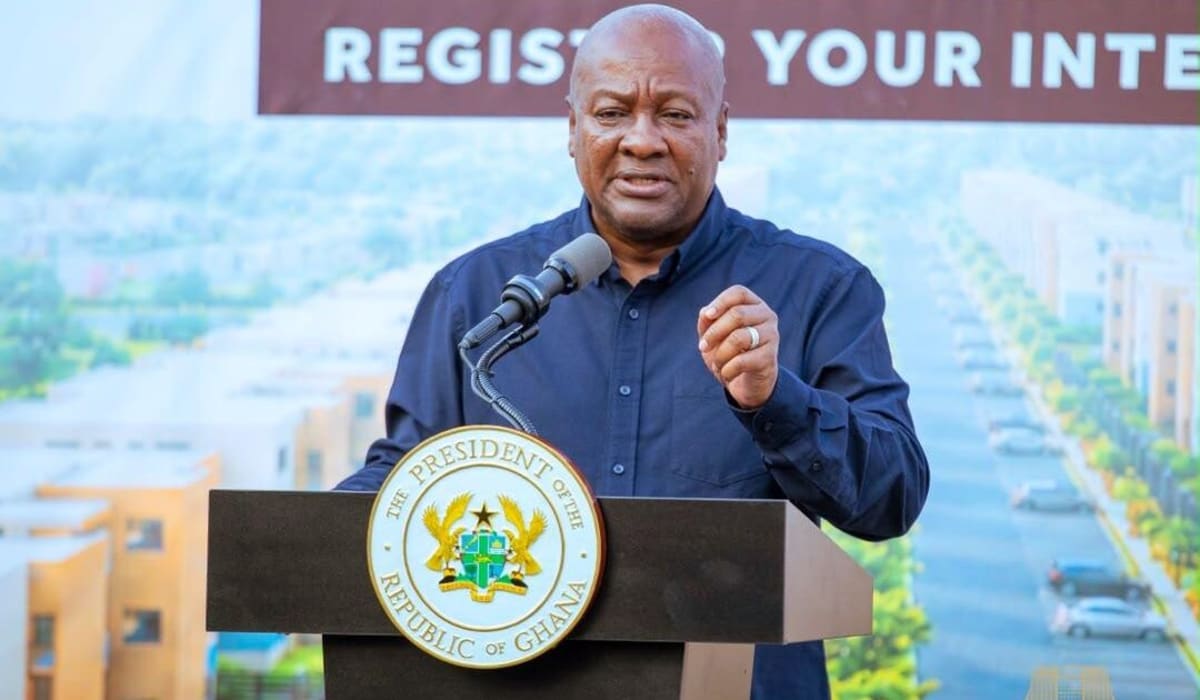
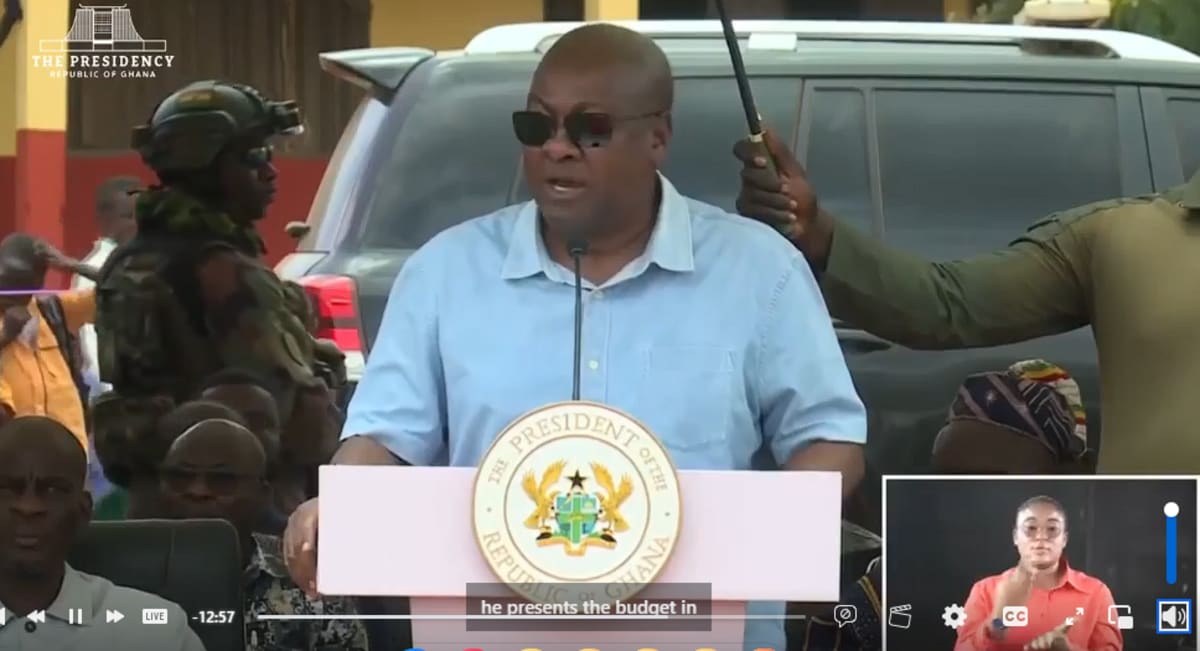
President John Dramani Mahama announced a $300 million program that will upgrade 60 senior high schools nationwide, lifting them to higher quality categories. The World Bank-funded initiative addresses a persistent challenge where certain schools are avoided due to perceptions of poor academic standards.
The plan is straightforward and ambitious. Thirty Category C schools will receive investments to reach Category B status, while another 30 Category B schools will be elevated to Category A. Each upgrade means better infrastructure, improved teaching resources, and stronger learning outcomes for students who previously had fewer opportunities.
Mahama shared details of the program during a visit to Sawla Primary School, where he was inspecting STEM education implementation. The $300 million investment, equivalent to about 3.5 billion Ghanaian cedis, represents one of the largest commitments to secondary education quality in the country's recent history.
The Ripple Effect
The impact extends far beyond classroom walls. When school quality becomes more consistent across regions, families gain real choice instead of just hoping for placement luck. Students in rural or underserved areas will access the same caliber of education as their peers in more privileged locations.
This investment also addresses a yearly source of stress and disappointment. Parents and students currently dread being assigned to certain schools, creating a stigma that affects both student confidence and community perception. By raising standards systematically, the program aims to make every placement a good placement.
The reforms promise more equitable resource distribution throughout Ghana's secondary education system. Teachers will have better facilities and materials to work with, while students will benefit from upgraded science labs, libraries, and learning spaces that match those at the country's top schools.
Ghana's commitment to education equity shows how targeted investment can break cycles of disadvantage. When quality education becomes accessible regardless of geography or luck of assignment, entire communities gain pathways to opportunity they didn't have before.
Based on reporting by Myjoyonline Ghana
This story was written by BrightWire based on verified news reports.
Spread the positivity!
Share this good news with someone who needs it