Ghana Invests Millions in Schools and Health Clinics
Ghana's government is building dozens of new schools, health clinics, and community facilities across the Volta Region, bringing modern education and healthcare to thousands of residents. The ambitious project includes everything from science labs to clean water systems, with many facilities already 90% complete. #
Students in Ghana's Volta Region will soon walk into brand new classrooms, science labs, and dining halls as part of a massive infrastructure upgrade transforming their communities.
A regional monitoring team recently inspected over 20 development projects across the Keta Municipality and North Dayi Constituency, finding most facilities near completion. Led by Ben-Habib Siki Abibu, the Volta Regional Political Coordinator, the team checked progress on schools, health clinics, water systems, and agricultural centers.
At Tsiame Senior High School, construction crews are finishing an 18-unit, three-story classroom block alongside an ultra-modern dining hall and new dormitories. A previously abandoned two-story administration building has been revived and is almost ready for use. The school will also get new staff housing for its headmistress and headmaster.
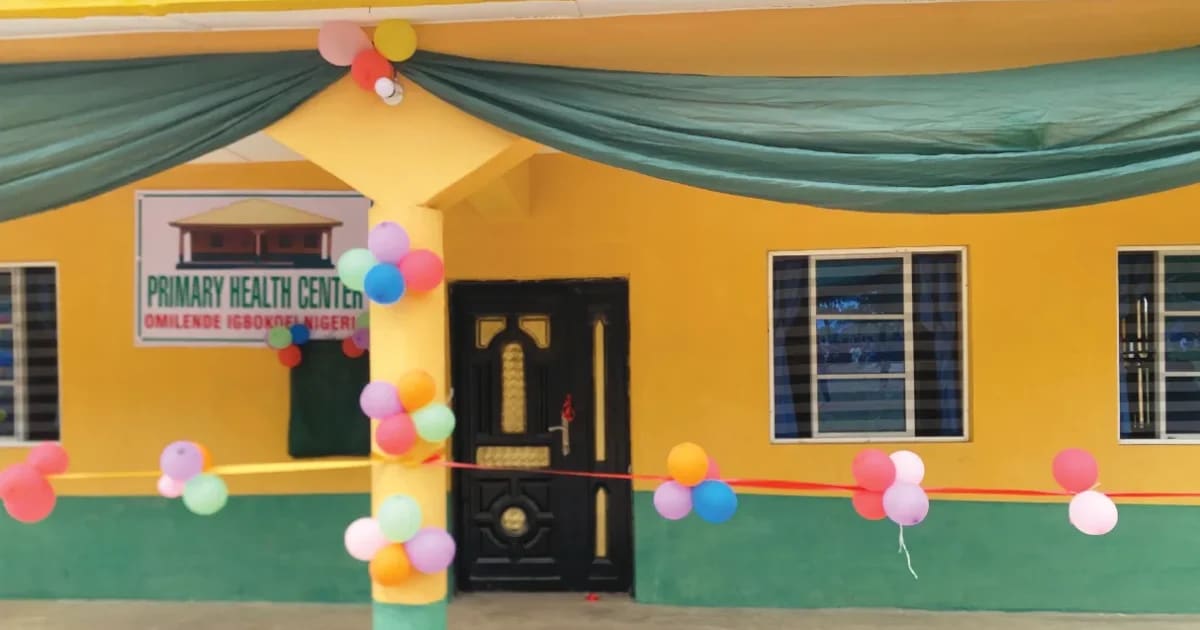
Healthcare is getting a major boost too. Two new community health facilities at Seva and Nyiravase Tengekorpe have reached 90% completion, complete with housing for medical staff. The Mahama CARE Free Primary Health Care Post at Aveme Amanfrom is already providing antenatal care, delivery services, immunizations, and malaria treatment to residents who previously traveled long distances for basic care.
The Anyako Community Water Extension Project now delivers clean water through 15 standpipes fitted with smart meters. The technology helps monitor usage and ensures the system stays sustainable for years to come.
In North Dayi Constituency alone, 14 projects are improving access to education, healthcare, water, and technical training. Multiple senior high schools are receiving dormitories, science laboratories, and administrative facilities that match urban standards.
THE RIPPLE EFFECT:
These aren't just buildings. Every new classroom means students learning in proper facilities instead of overcrowded rooms. Every health clinic means mothers can deliver babies safely close to home. Every water standpipe means children spending less time fetching water and more time in school.
The 24-Hour Economy Market Project along the Akatsi-Abor corridor will create a commercial hub with lockable shops, police and fire service units, and a health center. Expected to finish within 30 months, the market will generate jobs and economic opportunities for hundreds of families.
Officials are now pushing for completed facilities to be commissioned quickly so communities can start benefiting immediately. The Farmer Service Centre at Dorjee, set to finish in November, will serve the entire Southern Zone of the Volta Region with agricultural support and training.
Ghana is showing what sustained investment in rural communities looks like, one classroom and clinic at a time.
#
Based on reporting by Google News - Ghana Development
This story was written by BrightWire based on verified news reports.
Spread the positivity!
Share this good news with someone who needs it