Ghana Kids Get Parliament to Fight Child Labor
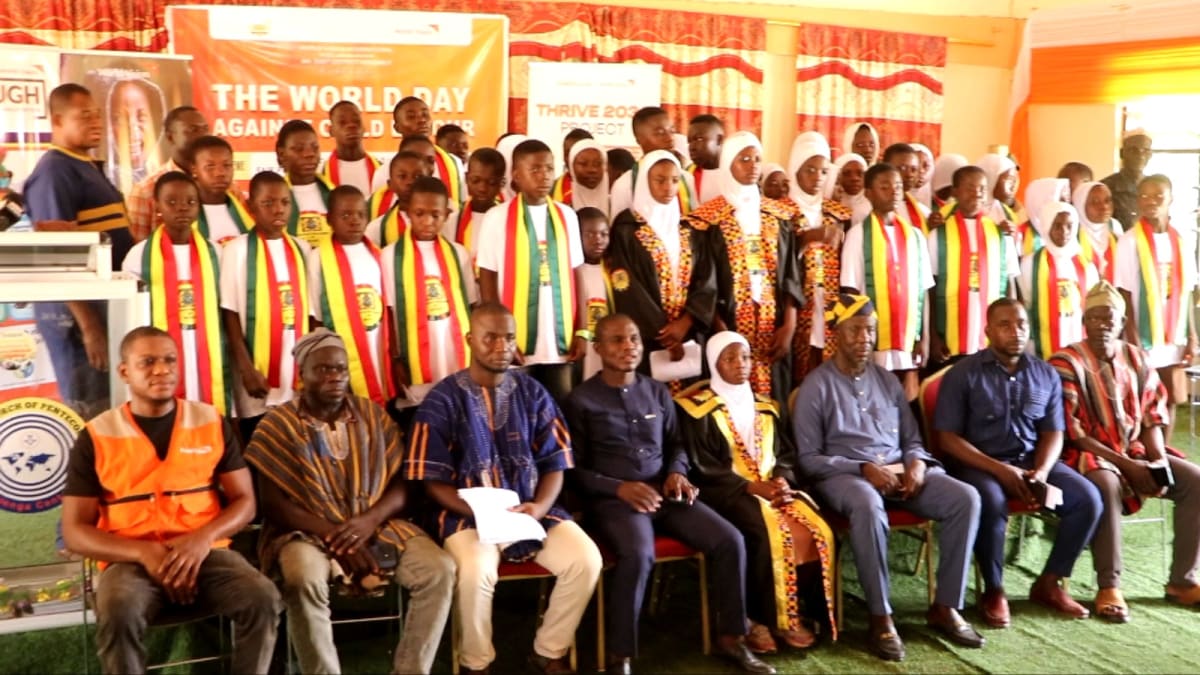
Fifty young students in rural Ghana just became the country's newest lawmakers with a mission to end child exploitation. Their new Children's Parliament gives them real power to speak up about the challenges pushing kids out of schools and into dangerous work.
In the Wa East District of Ghana, 50 students just got a platform that could change thousands of young lives.
World Vision Ghana and the local district assembly launched the region's first Children's Parliament, giving kids a real voice in the fight against child labor. The initiative comes at a critical time for a district where poverty and illegal mining operations continue pulling children out of classrooms and into hazardous work.
The student parliament mirrors Ghana's national government, complete with a Speaker, majority and minority leaders, a clerk, and even a marshal. But this isn't just about teaching civics. Lead trainer James Baba Anabiga says the platform empowers children to speak directly to decision-makers about the real challenges they face every day.
The problems are serious. District Education Director Yahaya Mumuni Abdul-Raman pointed to crumbling infrastructure, poor roads, and a shortage of motivated teachers as key reasons kids can't stay in school. When teachers lack decent housing and students lack basic materials, absenteeism soars and vulnerable children end up in dangerous labor situations.
World Vision is tackling the root causes head-on. The organization has built mechanized water wells to help girls stay in school, trained community protection committees, and launched the "Enough Campaign" to fight child hunger. They've distributed over 3,000 vitamin tablets to local health facilities and trained 857 farmers in climate-smart agriculture techniques.
The Ripple Effect
The young parliamentarians are already seeing results from their training. Majority Leader Abdul Suglo Zakiu says the experience has transformed how students see themselves. "It enables us, as children, to speak confidently in public," he shared.
Minority Leader Sakara Mercy noted that the parliamentary sessions help students overcome their fears while learning to respect different viewpoints. That confidence could ripple through entire communities as these young advocates return home with new skills and determination.
Local officials are backing the effort with concrete support. The district upgraded Loggu Senior High School to boarding status and introduced the "One Million Coders" programme to give rural youth digital skills. Traditional leaders, teachers, parents, and faith groups are being called to enforce protective bylaws and prioritize education.
Director of Social Welfare Clement Mol stressed that protecting children requires everyone working together to identify at-risk kids and support struggling families.
These 50 young parliamentarians now have something many adults in their community lack: a formal platform to demand change and hold leaders accountable for protecting childhood.
Based on reporting by Myjoyonline Ghana
This story was written by BrightWire based on verified news reports.
Spread the positivity!
Share this good news with someone who needs it