Ghana Launches 10-Year Plan for Women's Equality
Ghana just unveiled an ambitious roadmap to close the gender gap by 2034, bringing together government, communities, and private partners to create equal opportunities for everyone. The new policy replaces an outdated framework and puts concrete actions behind the promise of fairness.
Ghana has launched a bold new blueprint to make gender equality a reality over the next decade, and this time, everyone has a role to play.
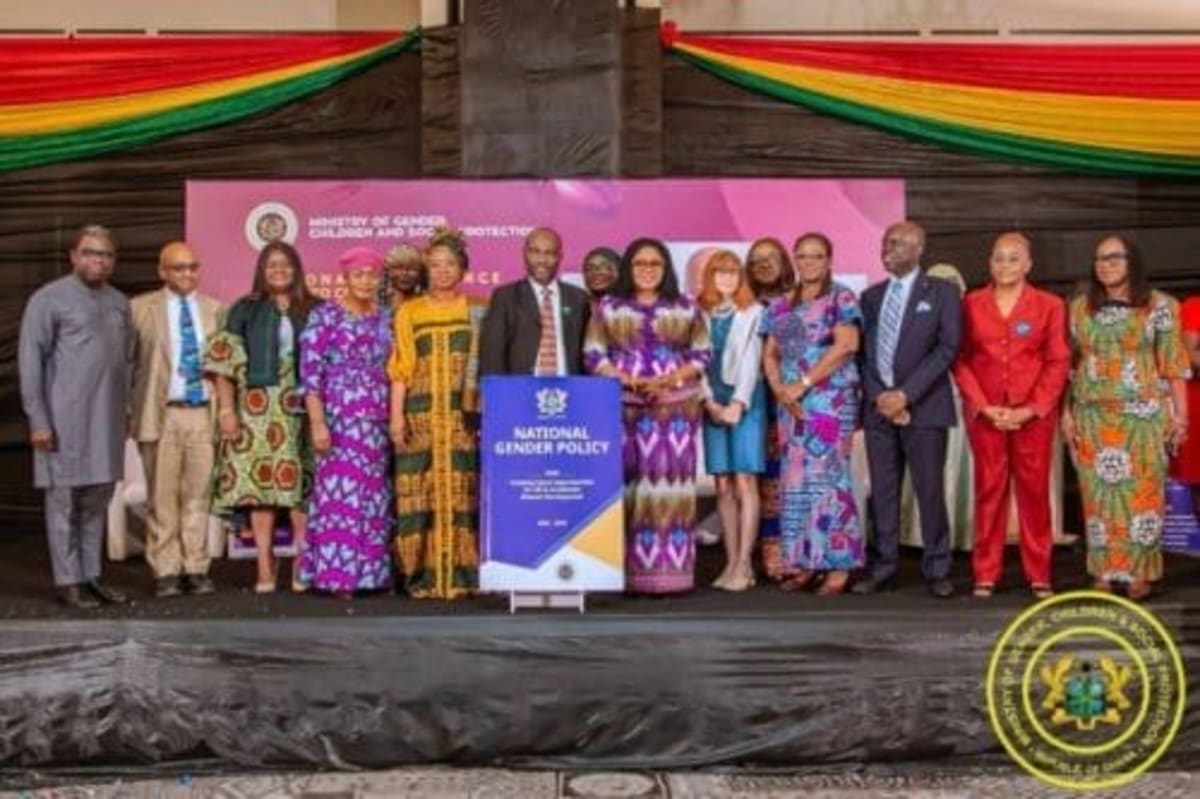
The West African nation unveiled its revised National Gender Policy this week, covering 2025 to 2034. The comprehensive framework replaces a previous policy that expired in 2020 and brings fresh momentum to the fight for equal opportunities.
Gender Minister Agnes Naa Momo Lartey introduced the policy at a national conference in Accra, just ahead of International Women's Day on March 8. She called it a transformative vision for a society where women and men, girls and boys, all have equal access to opportunities, resources, and decision-making power.
The policy rests on six concrete goals. These include promoting safe livelihoods and decent work for women, enforcing laws that combat violence and discrimination, and ensuring survivors of gender-based violence can access justice.
Ghana is putting real resources behind these promises. The country is expanding shelters, legal aid, and mental health services for survivors of gender-based violence. Coordination between police units, health services, and support organizations is getting stronger too.
Women's political participation is another priority. The government is actively supporting women who want to run for office and take on leadership roles in public service. This builds on the Affirmative Action Act passed in 2024, which the new policy reinforces.
The plan came together through extensive consultations and workshops held across Ghana last year. It aligns with national development guidelines and reflects what communities actually want to see change.
UN Resident Coordinator Zia Choudhury praised the policy for being more coherent than previous versions, with clearer responsibilities and measurable accountability. He emphasized that success requires participation from every corner of Ghanaian society.
The Ripple Effect
When half a population gains equal footing, entire nations benefit. Ghana's approach recognizes that gender equality isn't just morally right but economically smart. Women with equal access to work, credit, and leadership positions contribute more to GDP, start businesses, and invest back into their families and communities.
The policy doesn't sit with one ministry alone. Implementation will involve all three branches of government, development partners, civil society groups, traditional authorities, and private companies. This all-hands approach increases the chances that change will reach villages and cities alike, touching every sector from agriculture to technology.
Other African nations watching Ghana's progress may find a roadmap for their own gender equality efforts. Regional momentum builds when countries share what works.
By 2034, a generation of Ghanaian girls will come of age in a country that has spent a decade actively dismantling barriers, and that's a future worth building toward.
Based on reporting by Google News - Ghana Development
This story was written by BrightWire based on verified news reports.
Spread the positivity!
Share this good news with someone who needs it