Ghana Launches Africa's First Blue Food Innovation Hub
Ghana just opened Africa's first Blue Food Innovation Hub to revolutionize its seafood industry through collaboration and technology. The initiative brings together researchers, investors, and startups to make sustainable fish farming more accessible and profitable across West Africa.
Ghana is making waves in sustainable food production with the launch of Africa's first Blue Food Innovation Hub, a groundbreaking partnership with the World Economic Forum that could transform how the continent feeds itself.
The hub opened in Accra, Ghana's capital, where it will connect seafood farmers, scientists, investors, and policymakers under one roof. The goal is simple but powerful: share knowledge, reduce waste, and attract investment to grow Ghana's aquaculture sector into a thriving industry.
"The Blue Food Innovation Hub is where research meets industry, policy meets practice, and ideas turn into tangible impact for communities," said Emelia Arthur, Ghana's Minister of Fisheries and Aquaculture Development. Her words capture the collaborative spirit driving this initiative forward.
The timing couldn't be better. Ghana's fish farming industry has struggled with high business failure rates, limited investment, and inconsistent production growth. Many farmers lack access to the latest techniques and technology that could make their operations more successful.
The hub addresses these challenges head-on by creating a central space for innovation. Startups can test new ideas, experienced farmers can share what works, and investors can find promising projects to support. It's a complete ecosystem designed to help the industry flourish.
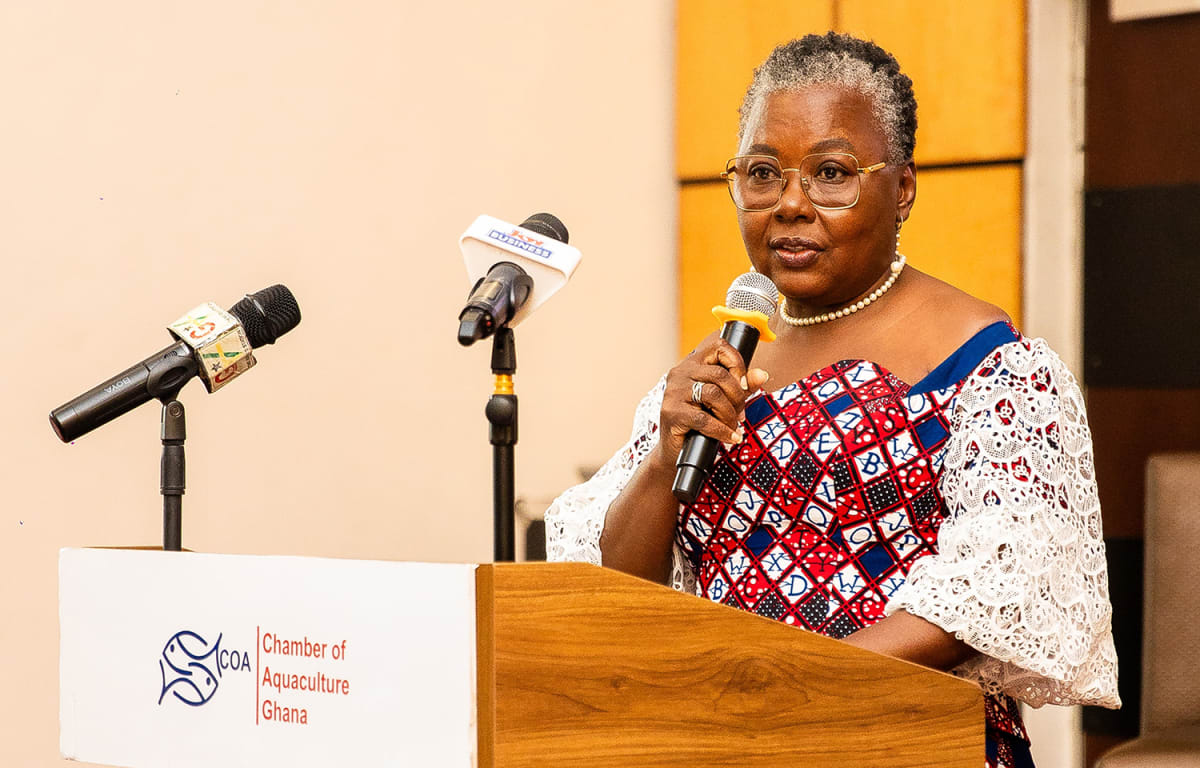
Jacob Adzikah, CEO of the Chamber of Aquaculture Ghana, which will oversee the hub, emphasized the potential for job creation. "We will deploy all available resources within our capacity to make this initiative successful," he promised at the launch event.
The Ripple Effect
This innovation hub could reshape food security across West Africa. Ghana aims to more than double its commercial fish production from 116,100 metric tons in 2023 to 238,700 metric tons by 2028, representing 15.5 percent annual growth.
If successful, the model could spread to neighboring countries facing similar challenges. More efficient fish farming means more affordable protein for millions of families and more economic opportunities in coastal communities.
The World Economic Forum highlighted that the hub will make blue foods "affordable, accessible, and sustainable at scale" by reducing losses throughout the production chain. Better technology and practices mean less waste, lower costs, and higher quality seafood reaching markets.
Ghana's National Aquaculture Development Plan also targets increasing locally farmed fish's market share from 14 percent to 25 percent by 2028. That shift would reduce dependence on imports and keep more money circulating in local economies.
The hub represents a new approach to development: bringing all stakeholders together to solve problems collaboratively rather than working in isolation. When farmers, scientists, and business leaders share knowledge freely, everyone benefits from the collective wisdom.
Ghana is proving that African nations can lead global innovation in sustainable food systems, not just follow.
More Images
Based on reporting by Google News - Ghana Development
This story was written by BrightWire based on verified news reports.
Spread the positivity!
Share this good news with someone who needs it