Ghana Launches Campaign to Save 40 Endangered Languages
A student-led movement is rallying Ghanaians to speak their indigenous languages at home and in public before they disappear forever. Already, three languages have gone extinct, but a new campaign believes everyday conversations could save dozens more.
Ghana has already lost three of its indigenous languages, and 40 more could vanish within a generation unless people start speaking them again.
The alarming reality comes from Alhassan Betintiche Ziblim, Executive Director of the Ghana Library Authority, who warns that languages like Nawuri, Tuwuli, and Chala could disappear if young people stop learning them. Boro, once spoken around Worawora, died out by the late 1800s when its last elderly speaker passed away, leaving behind only a dozen recorded words.
Mprɛ followed the same path in the twentieth century, though some elderly villagers near Techiman could still recall fragments in the early 2000s. Dompo, the language of a hunter-gatherer community in Bono East Region, has vanished entirely as speakers shifted to Akan.
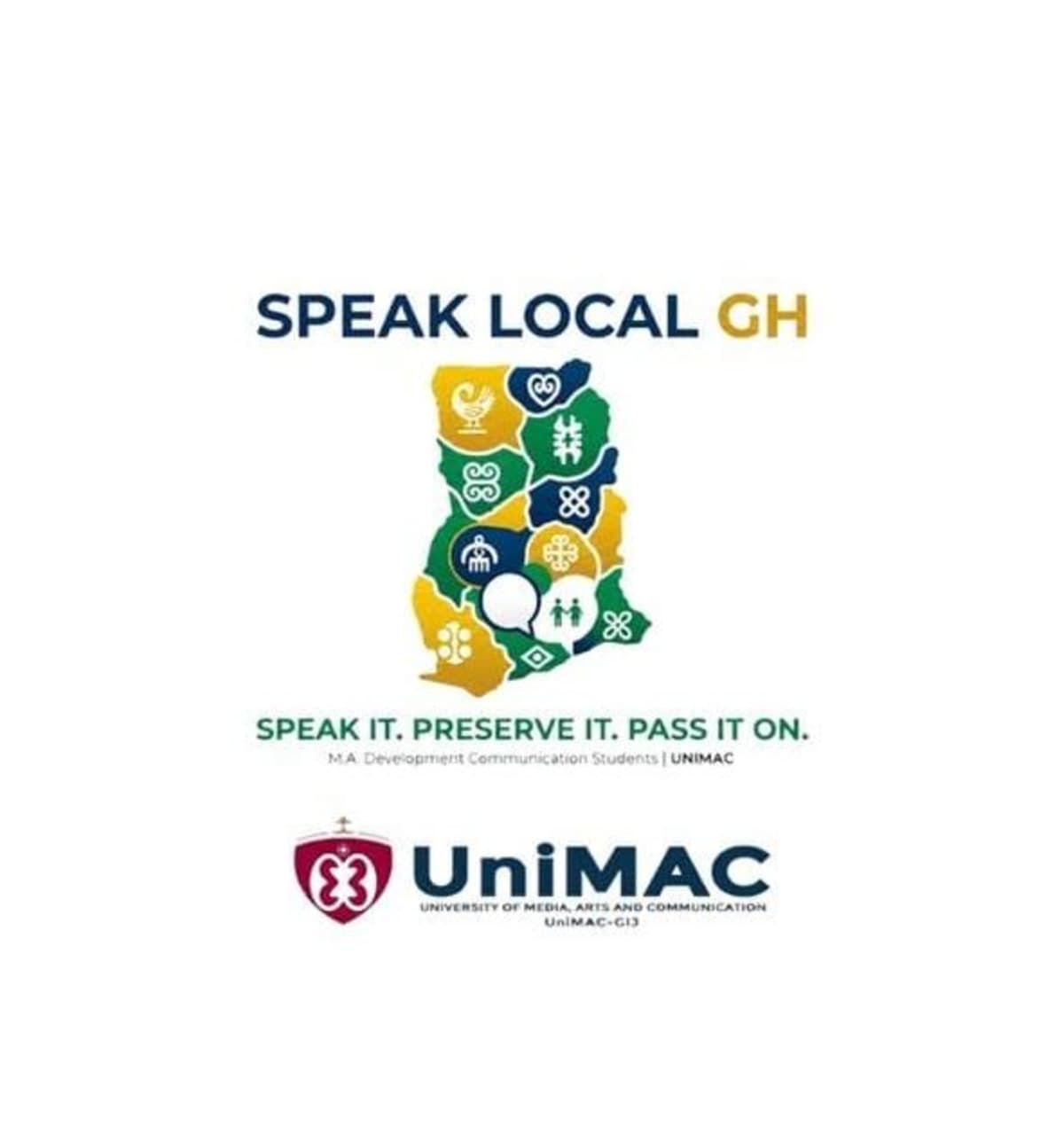
But a group of graduate students at the University of Media, Arts and Communication believes they can change this story. Their SPEAK LOCAL GH campaign encourages Ghanaians to use their indigenous languages everywhere: at home, in markets, at church, on the street.
The campaign's message is simple: these languages didn't disappear overnight. They faded gradually, one skipped conversation at a time, one generation that chose not to pass them on.
Why This Inspires
What makes this campaign powerful is its recognition that preservation doesn't require government funding or elaborate programs. It happens in ordinary moments: a parent teaching a child, neighbors chatting at the market, friends texting in their mother tongue.
The students behind SPEAK LOCAL GH understand that when communities speak their own languages, they become authors of their own development rather than passive recipients. Language carries culture, history, and identity in every word.
Even loan words tell stories of connection. "Donkomi" comes from Hausa "rangwame," while place names like Kasoa and Nima reflect centuries of cultural exchange across West Africa.
The campaign's tagline captures both urgency and hope: "Speak it, Preserve it, Pass it on." Because a language spoken today really is a language saved for tomorrow.
Based on reporting by Myjoyonline Ghana
This story was written by BrightWire based on verified news reports.
Spread the positivity!
Share this good news with someone who needs it