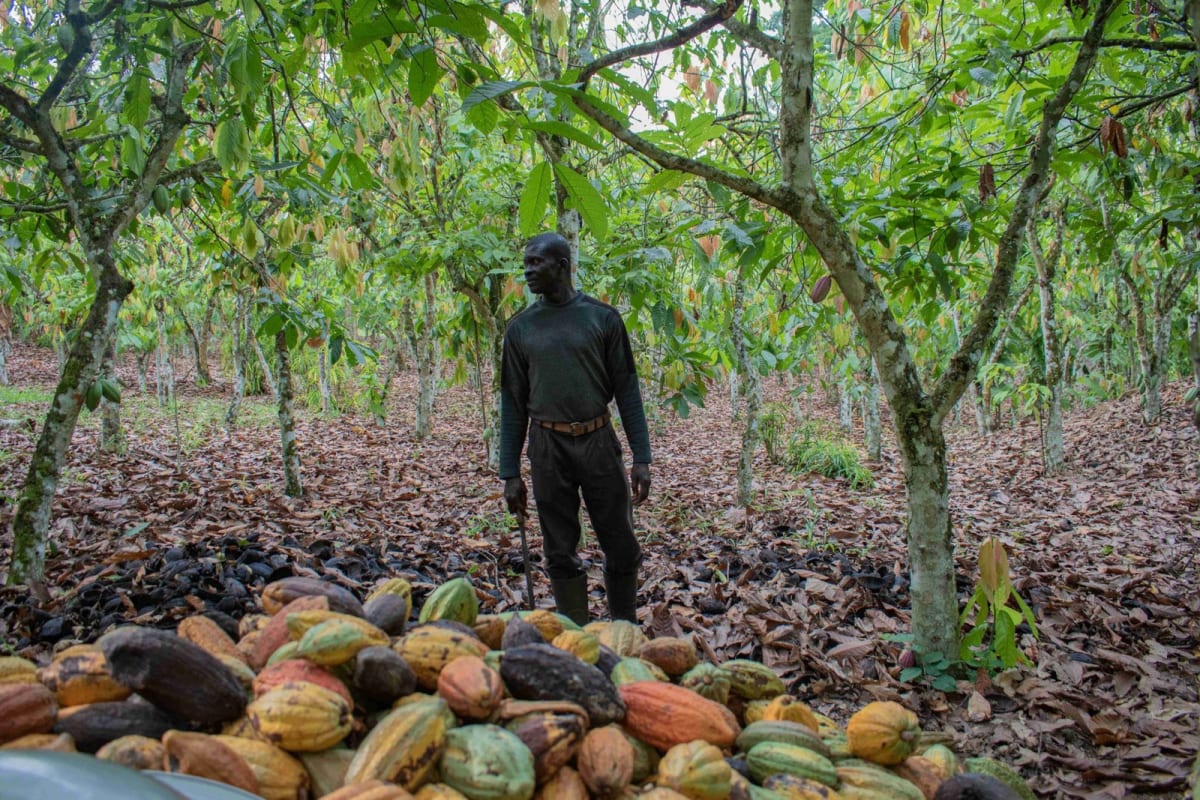
Ghana Launches $3.5B AgriConnect to Boost Food Security
Ghana has secured $3.5 billion from the World Bank Group and development partners for a major agricultural initiative that promises to strengthen food security and create thousands of jobs. The AgriConnect Compact represents one of the largest investments in West African agriculture in recent years.
Ghana just landed $3.5 billion to transform its agricultural sector and feed more families across West Africa.
The AgriConnect Compact, backed by the World Bank Group and international development partners, aims to tackle food security challenges while creating substantial employment opportunities in rural communities. The initiative was officially launched in early June 2026, marking a major milestone for Ghana's agricultural development.
The massive investment will focus on modernizing farming practices, improving supply chains, and expanding market access for smallholder farmers who form the backbone of Ghana's agricultural economy. By strengthening these critical areas, the program seeks to increase food production and reduce dependency on imports.
Agricultural investment has become increasingly urgent across West Africa as climate challenges and growing populations strain traditional farming systems. Ghana's proactive approach demonstrates how targeted funding can address both immediate food needs and long-term sustainability.
The compact also prioritizes job creation, particularly for young people in rural areas where employment opportunities have historically been limited. By investing in agricultural infrastructure and training, the program aims to make farming more profitable and attractive to the next generation.
Development partners emphasized that the initiative aligns with broader regional goals to strengthen food systems across Africa. The collaboration brings together financial resources, technical expertise, and local knowledge to maximize impact.
The Ripple Effect
This investment extends far beyond Ghana's borders. As one of West Africa's agricultural leaders, Ghana's success in modernizing its food systems could provide a blueprint for neighboring countries facing similar challenges.
Improved agricultural productivity means more stable food prices for consumers, better incomes for farmers, and stronger rural economies that keep families together instead of forcing migration to overcrowded cities. The focus on sustainable practices also helps protect the environment for future generations.
Regional trade could see significant benefits as Ghana increases its capacity to both feed its own population and export surplus production. This creates economic opportunities across borders and strengthens food security throughout West Africa.
The program's emphasis on infrastructure development will likely attract additional private investment, multiplying the initial $3.5 billion commitment many times over. Better roads, storage facilities, and market connections make agriculture more viable as a business, not just a subsistence activity.
Ghana's commitment to agricultural transformation shows how strategic investment can turn challenges into opportunities for millions of people.
More Images

Based on reporting by Google News - Ghana Development
This story was written by BrightWire based on verified news reports.
Spread the positivity!
Share this good news with someone who needs it