Ghana Launches Early Childhood Policy for 3 Million Kids
Ghana just unveiled a bold new policy that could transform the lives of millions of children under age eight. The plan recognizes that 90% of brain development happens before age five and treats early childhood care as a national investment.
Ghana is betting big on its youngest citizens with a sweeping new policy that aims to give every child from birth to age eight the support they need to thrive.
The National Early Childhood Care and Development Policy covers the critical years when children's brains are developing fastest. It replaces a framework from 2004 that hadn't kept pace with what scientists now know about early development.
The Ministry of Gender, Children and Social Protection led the effort with support from UNICEF. Together, they built a plan that connects health, nutrition, learning, parenting support, and safety into one coordinated system.
The policy focuses on six key areas. Health services will expand to reach more pregnant mothers and newborns. Nutrition programs will tackle food insecurity and improve access to clean water.
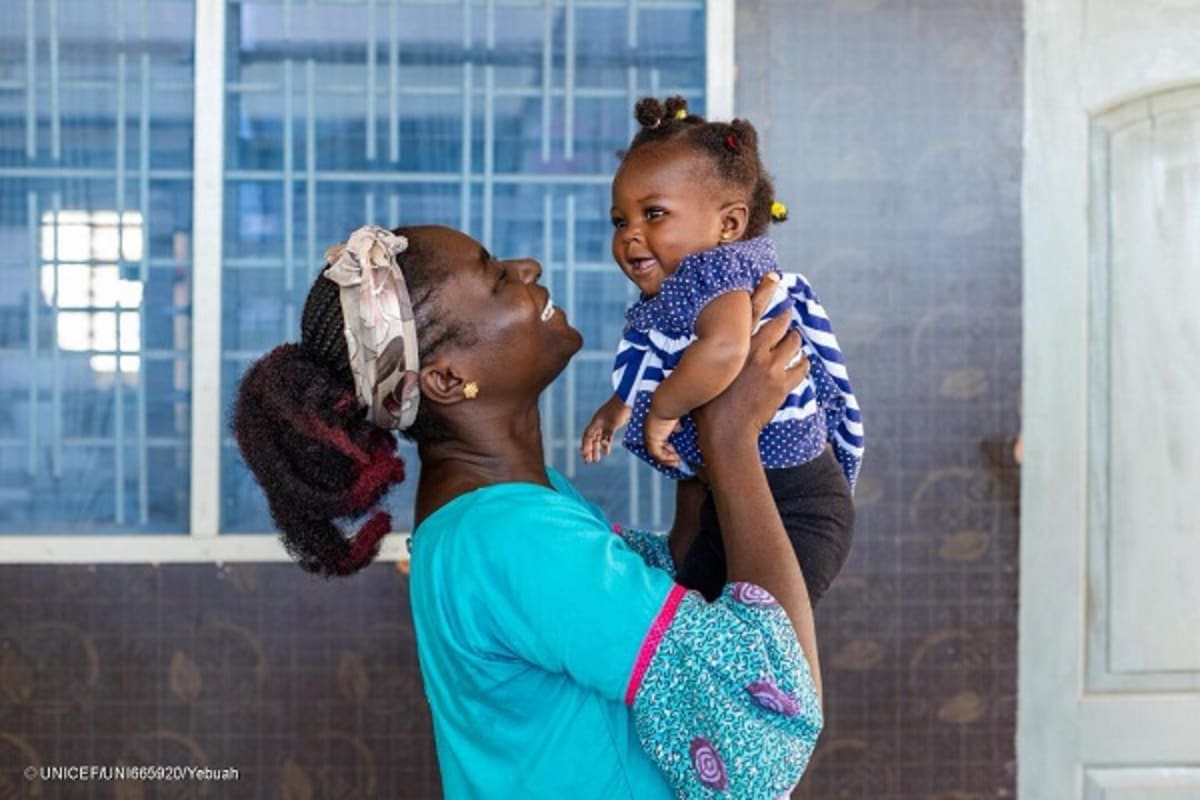
Early learning centers will get resources for play-based teaching that includes children with disabilities. Parents will receive training on how to stimulate their babies' development through everyday interactions.
The government will also strengthen birth registration and child protection services. Special attention goes to children in marginalized communities who often miss out on essential services.
The Ripple Effect
When countries invest in early childhood, the benefits multiply across generations. Children who receive good nutrition, healthcare, and stimulation in their first years earn more as adults, stay healthier, and raise stronger families of their own.
Ghana recognizes this connection between caring for toddlers today and building a productive workforce for tomorrow. The policy frames early childhood support not just as compassionate social policy, but as economic strategy.
The government developed a costed implementation plan to turn promises into action. This detailed budget shows exactly how much each part of the policy will cost and where the money will come from.
UNICEF helped design the monitoring system that will track progress. Regular evaluations will show which programs work best and where adjustments are needed.
The policy aligns with the Nurturing Care Framework, an international standard that more than 100 countries use to guide their early childhood programs. This connection helps Ghana learn from successful approaches worldwide and share its own innovations.
Implementation begins now, with the government calling on businesses, nonprofits, and community groups to join the effort. Every sector has a role in supporting families during the years that matter most for children's development.
Ghana's youngest generation is getting the foundation they deserve to reach their full potential.
Based on reporting by Google News - Ghana Development
This story was written by BrightWire based on verified news reports.
Spread the positivity!
Share this good news with someone who needs it