Ghana Launches Project to Turn Plastic Waste Into 600 Jobs
Ghana just launched a groundbreaking initiative that will transform plastic bottles into paychecks for 600 people, with a special focus on women and youth. The InnoWaste Project is tackling the country's one million tons of annual plastic waste while creating real economic opportunities.
Ghana is turning its million-ton plastic waste problem into a pathway to employment for hundreds of young people and women who need it most.
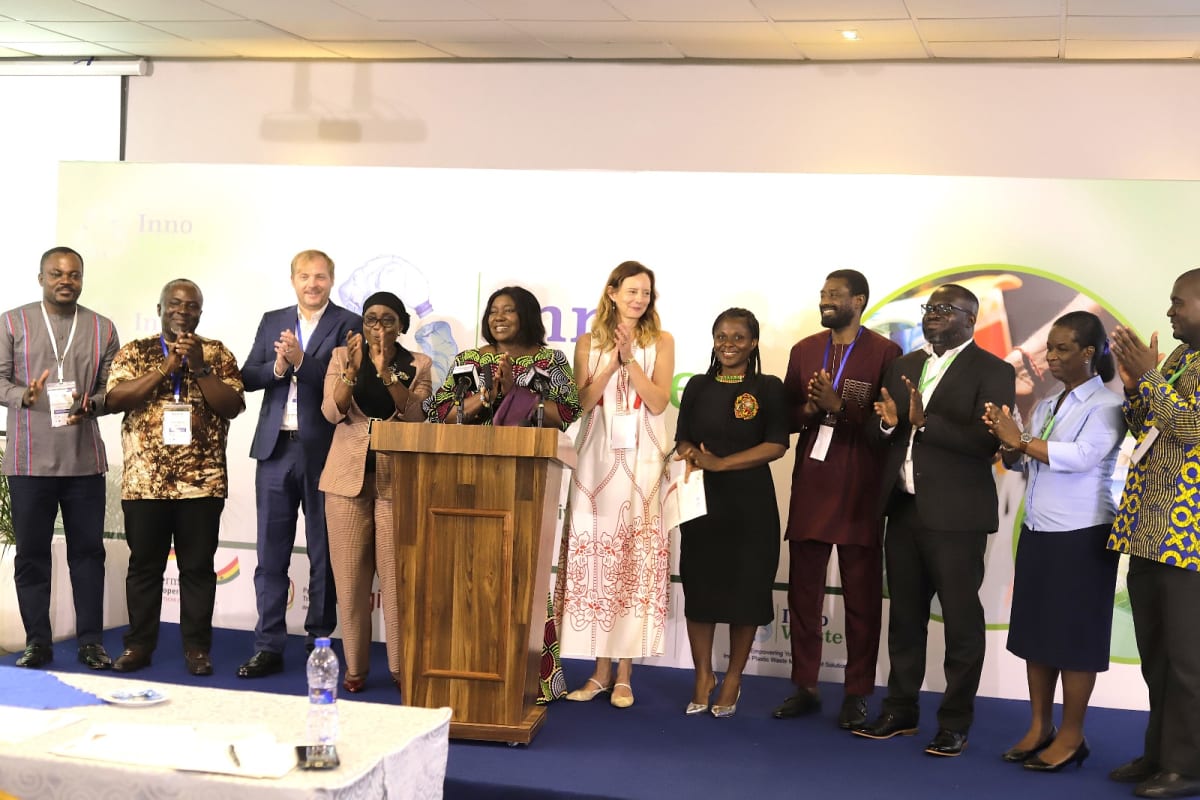
The InnoWaste Project launched in Accra this week through a partnership between German development agency GIZ, Zoomlion Ghana Limited, and Blue Skies. The initiative will run through September 2028 with an ambitious goal: create 600 jobs while improving working conditions for 3,600 people already in the waste management sector.
The numbers tell a sobering story about why this matters. Ghana generates one million metric tons of plastic waste every year, but only 9.5 percent gets recycled. The rest ends up choking rivers, threatening ocean ecosystems, and damaging farmland.
Without action, plastic pollution in Ghana's water bodies could surge 190 percent by 2040. But InnoWaste is designed to flip that script entirely.
The project takes a comprehensive approach that goes far beyond just collecting bottles. Five hundred waste collectors will receive tricycles and hand carts to support their work. Another 750 aggregators will get baling machines and equipment to process materials more efficiently.
In a first for Ghana, the project will install plastic vending machines at selected locations across the country. People can deposit plastic bottles and receive instant rewards, similar to systems already working in Europe.
A new mobile app will connect everyone in the chain in real time. Waste generators, collectors, aggregators, and recycling companies will finally be able to coordinate efficiently instead of working in isolation.
The human element sets this project apart. Community boreholes will be constructed where people can access clean water in exchange for collecting plastic waste. Teachers and community leaders will receive training to educate the next generation on proper waste management.
Perhaps most importantly, the project will register 60,000 waste workers under Ghana's National Health Insurance Scheme. These workers often operate in unsafe conditions without any medical coverage.
The Ripple Effect
This initiative shows how environmental solutions and economic opportunity can grow together. At least 30 percent of the 600 new jobs are reserved for women, while 60 percent target youth who face some of the highest unemployment rates.
The project also aims to boost incomes for 365 people already working in the plastic waste value chain. Cooperatives will receive financial management training, digital tools, motorbikes, and laptops to professionalize their operations.
Schools will get pilot recycling curricula to catch children young and build lifelong habits around waste management. Media campaigns will spread awareness about seeing waste as a resource rather than a problem.
The model could generate more than 88 million Ghanaian cedis in economic value while dramatically increasing the percentage of plastic that gets recycled instead of polluting waterways. Private sector partners benefit too, with reduced operational costs and increased recycling efficiency.
Ghana is proving that the transition to a circular economy doesn't require choosing between environmental protection and job creation.
Based on reporting by Myjoyonline Ghana
This story was written by BrightWire based on verified news reports.
Spread the positivity!
Share this good news with someone who needs it