Ghana Launches Quantum Computing Center for Africa
Ghana is establishing Africa's first Center for Quantum Computing and Simulation, positioning itself as a leader in next-generation technology that could transform healthcare, agriculture, and climate solutions across the continent.
Ghana just made a bold bet on Africa's technological future by creating a national center dedicated to quantum computing, one of the most powerful emerging technologies on the planet.
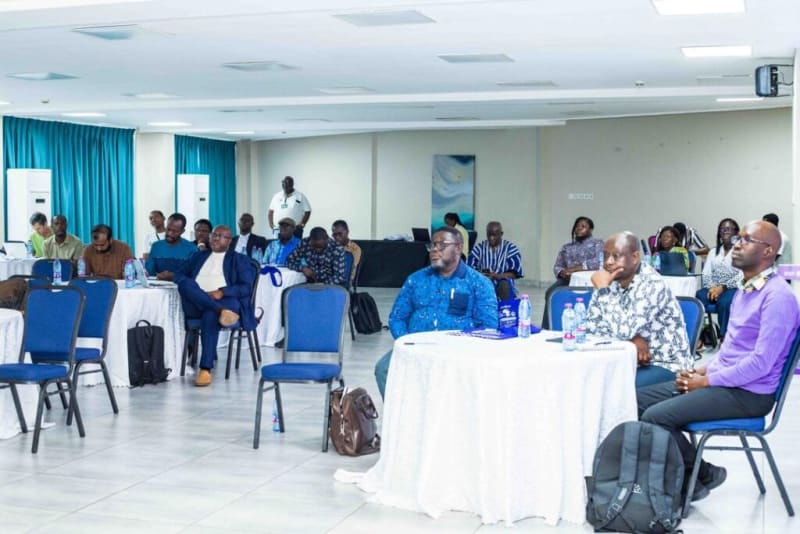
The West African nation announced the Center for Quantum Computing and Simulation following a major continental conference in Kumasi. The event brought together scientists, policymakers, and innovators around a single theme: ensuring Africa doesn't miss the quantum revolution.
Quantum computers process information differently than regular machines, solving complex problems at speeds previously thought impossible. While that might sound abstract, the applications are remarkably practical for Ghana's biggest challenges.
The new center plans to use quantum technology to accelerate disease modeling and drug discovery in healthcare. Farmers could access advanced climate analysis tools that predict optimal planting times and improve crop yields. Climate scientists would gain precision forecasting capabilities to help communities prepare for extreme weather and plan renewable energy projects.
Prof. Aba Bentil, former president of Ghana's Academy of Arts and Sciences, emphasized the urgency. "We cannot forge a quantum future through scattered efforts," she said, calling for coordinated investment in people, laboratories, and partnerships.
The African Centre of Excellence in Quantum Science and Technology is already building a continent-wide network to train talent and connect universities with industry. Their goal is ambitious: make quantum science a core contributor to Africa's development priorities by 2035.
Right now, Africa's presence in quantum research remains minimal due to funding and infrastructure gaps. Ghana's initiative directly challenges that pattern by creating homegrown expertise instead of relying on imported technology.
Thomas Konrad, an associate professor at South Africa's University of KwaZulu-Natal, put it plainly at the conference: "Quantum science is no longer a luxury; it is a necessity for Africa's development."
The Ripple Effect
Ghana's quantum center represents more than just one country's scientific ambition. It's creating a blueprint for how African nations can leapfrog into cutting-edge industries by investing early.
The center will train young Ghanaians for high-tech careers that didn't exist a decade ago. It will develop quantum-safe encryption to protect digital infrastructure as cyber threats grow more sophisticated. Most importantly, it demonstrates that African countries can be contributors, not just consumers, in the global innovation economy.
Other African nations are watching closely. If Ghana succeeds in building practical quantum applications that solve real problems, from food security to healthcare access, it could spark similar investments across the continent.
The conference theme, "Quantum for Impact," captures this philosophy perfectly: advanced technology means little unless it improves people's daily lives and accelerates progress toward concrete development goals.
Ghana has opened the door to a future where African scientists help shape the next technological age, solving challenges with tools they built themselves.
Based on reporting by Google News - Ghana Development
This story was written by BrightWire based on verified news reports.
Spread the positivity!
Share this good news with someone who needs it