Ghana Leads Push to Reform Global Development Aid System
Ghana took center stage at a major Paris conference with a bold plan to fix broken development aid while African nations lose billions. The "Accra Reset" initiative offers new pathways for countries to build prosperity on their own terms.
When development aid to sub-Saharan Africa dropped by over a quarter in a single year, Ghana stepped forward with a solution that could change how the world approaches global cooperation.
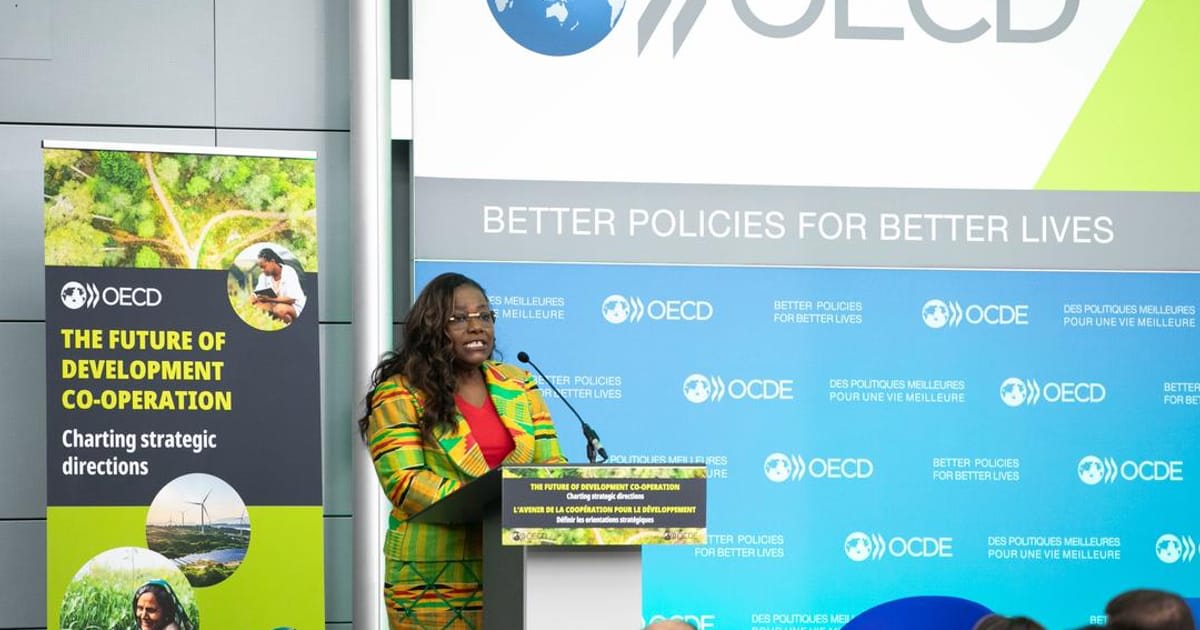
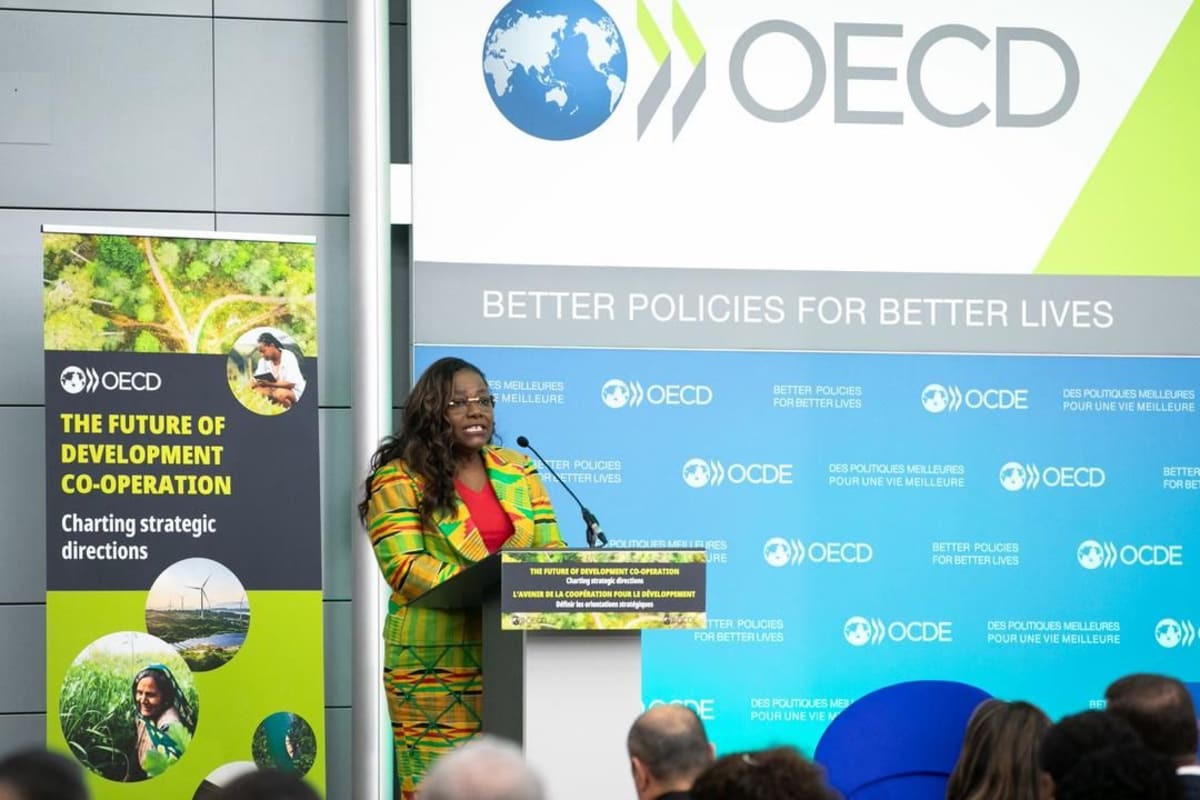
On May 11, 2026, Ghana commanded attention at the OECD's Future of Development Conference in Paris, where Nana Oye Bampoe Addo delivered a keynote address on behalf of President John Dramani Mahama. She spoke to 250 global development leaders about a crisis that's been quietly growing: Official Development Assistance fell by 23.1 percent in 2025, wiping out roughly fifty billion dollars in aid.
The numbers paint a stark picture for African nations. They collectively pay over eighty billion dollars annually in debt service while receiving only ninety-five billion dollars in total external funding. Humanitarian aid alone dropped nearly 36 percent, with further declines expected this year.
Ghana's answer is the Accra Reset, a continent-led initiative that flips the traditional aid model on its head. Instead of waiting for assistance, African nations are building their own systems for health investment, economic transformation, and skills development.
The initiative introduces practical tools like HINGE, which converts health commitments into real investments within two years. It also launched the Masterkey program, targeting 150,000 cross-border job placements by year five, with seventy percent reserved for women.
Ghana's proposal includes Sovereign Prosperity Spheres built around Africa's natural resources, including gold and cobalt. This approach lets countries leverage what they already have rather than depending solely on external funding.
President Mahama co-founded the Reset alongside leaders from Africa, Latin America, and the Caribbean. Former presidents including Nigeria's Obasanjo and Liberia's Johnson-Sirleaf serve as advisors, lending decades of experience to the effort.
The Ripple Effect
What makes this moment significant isn't just Ghana speaking up. It's that the country asked the OECD to recognize the Accra Reset as a co-author of development policy, not just another voice to consult. That simple request represents a fundamental shift in how developing nations engage with global institutions.
Ghana made clear that mutual benefit must mean actual equality in partnerships, not arrangements that place all the risk on the weaker party. The OECD Director of Development Cooperation held bilateral talks with Ghana's delegation the same day, signaling serious interest in collaboration.
During her Paris visit, Addo also briefed Ghana's embassy staff, emphasizing that the country remains firmly on track under President Mahama's leadership. The message to diplomats was clear: Ghana isn't just participating in global conversations anymore but actively shaping them.
For countries across the developing world watching aid dollars shrink while debt payments grow, Ghana's leadership offers a roadmap where sovereignty and partnership can coexist.
More Images
Based on reporting by Google News - Ghana Development
This story was written by BrightWire based on verified news reports.
Spread the positivity!
Share this good news with someone who needs it