Ghana Minister Pledges Jobs for Graduates with Disabilities
Ghana's Gender Minister is taking action after unemployed graduates with disabilities called for better access to public sector jobs. The government promised new tracking systems and stronger enforcement of disability employment quotas.
Graduates with disabilities in Ghana are finally getting a seat at the table where decisions about their futures are being made.
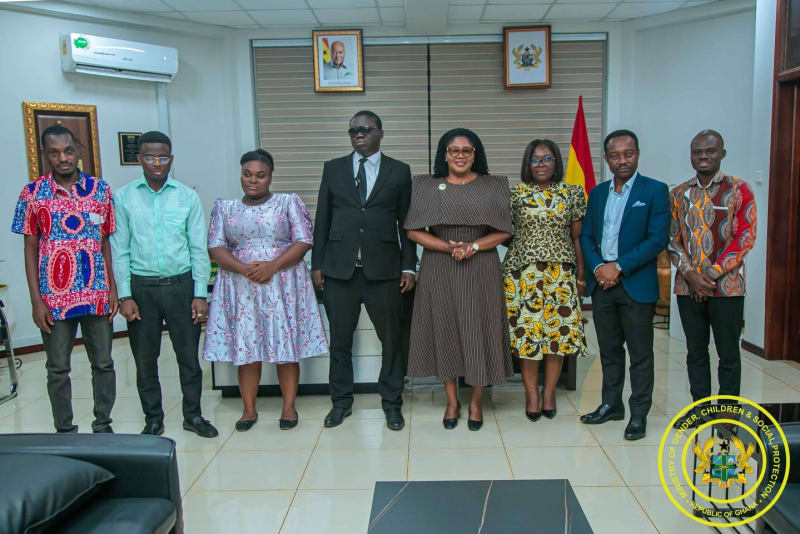
A delegation of unemployed graduates with disabilities met with Dr. Agnes Naa Momo Lartey, Ghana's Minister for Gender, Children and Social Protection, to address the persistent barriers they face in finding work. Led by Gilbert Agyare, the group represented countless qualified graduates who have been locked out of opportunities despite their education and skills.
Agyare didn't mince words about the problem. He called for dedicated recruitment measures and real enforcement of Ghana's existing 5 percent employment quota for persons with disabilities in the public sector, a rule that's been on the books but rarely enforced.
The meeting marks the third time Dr. Lartey has sat down with disability associations to tackle unemployment issues. That signal of sustained attention matters because these conversations have historically happened once and then faded away.
Dr. Lartey responded with concrete commitments. Her ministry will partner with the National Council on Persons with Disabilities to build a comprehensive database tracking qualified candidates and job placements, addressing the longstanding problem of "we can't find qualified disabled candidates."
The minister also pledged to monitor how District Assemblies spend funds allocated specifically for persons with disabilities. That money is supposed to support skills development and business creation, but tracking has been weak.
The Ripple Effect
This meeting represents more than just promises. Ghana is home to over three million people with disabilities, and unemployment rates among this group far exceed the national average. When qualified graduates can't find work, entire families lose potential income and communities lose talented contributors.
The structured employment pathways Agyare advocated for recognize a simple truth: open competition without support isn't actually fair when societal barriers already exist. These pathways could become a model for other African nations wrestling with similar challenges.
The government's willingness to create measurable, evidence-based interventions suggests this might be different from past efforts. Edwin Kweku Andoh from the National Council on Persons with Disabilities attended the meeting, signaling cross-institutional coordination.
"I want to assure you that you will not be left behind," Dr. Lartey told the group, adding that persons with disabilities would be meaningfully included in employment opportunities and national development.
For graduates who've sent out dozens of applications only to face rejection or silence, those words carry weight only if followed by action. The database and monitoring systems promised could turn this meeting from another consultation into actual change.
Based on reporting by Myjoyonline Ghana
This story was written by BrightWire based on verified news reports.
Spread the positivity!
Share this good news with someone who needs it
%2Ffile%2Fattachments%2Forphans%2F20260825_114344_866872.jpg)