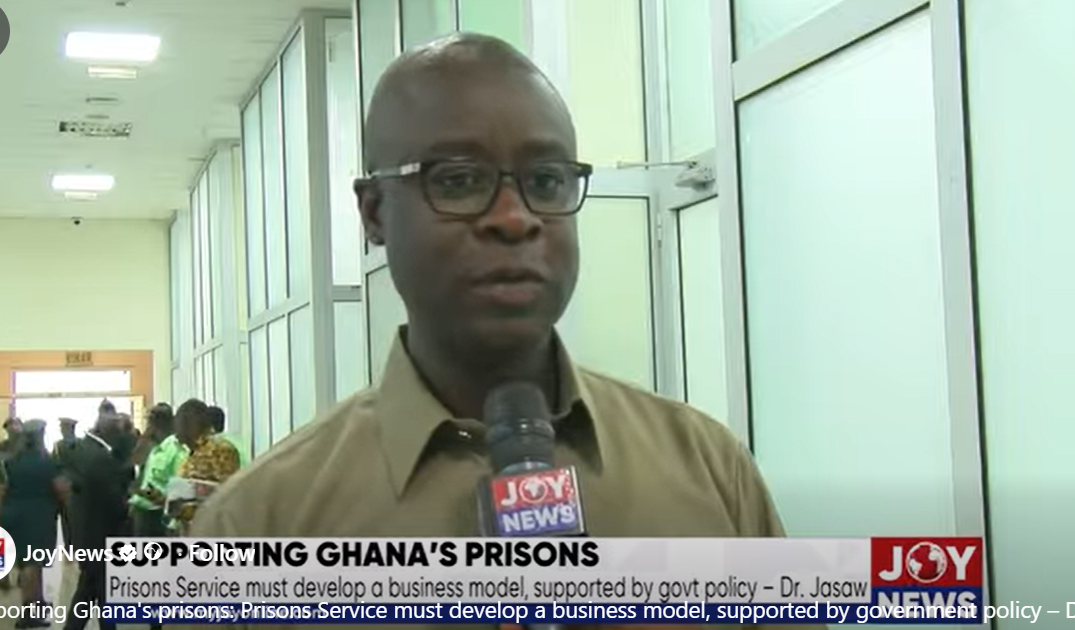
Ghana MP Proposes Jobs Program Through Prison-Made Goods
A Ghanaian lawmaker wants government offices to buy furniture and products made by inmates, creating sustainable jobs and income for the prison system. The plan could transform how prisons fund rehabilitation programs without relying on donations.
Ghana could soon turn prison workshops into thriving businesses that support rehabilitation and generate real income for inmates learning new skills.
Dr. Godfred Seidu Jasaw, a member of Ghana's Parliament, proposed a bold policy during a committee meeting in October 2026. He wants all government institutions and state-owned companies to purchase a portion of their supplies from prison-based businesses.
The idea came after Director-General Patience Baffoe-Bonnie shared how Ghana's Prisons Service struggles with limited funding. Currently, the service depends heavily on donations and charity to support vocational training programs for inmates.
Dr. Jasaw said that model won't work long-term. "That's cheap labor already available. The question is, how do you turn this to your advantage?" he told committee members.
His proposal targets practical items like furniture for schools, wood carvings, and other goods that inmates already produce through training programs. Local assemblies would be required to source a percentage of their furniture from prison artisans, creating guaranteed customers.
The plan goes beyond just government orders. Dr. Jasaw urged the Prisons Service to develop proper business plans that could attract loans from commercial banks, turning workshop skills into financially viable enterprises.
With predictable revenue streams and established markets, the service could prove to financial institutions that prison businesses represent solid investments. Banks could then provide financing for expansion and equipment upgrades.
The Ripple Effect
This approach could transform multiple systems at once. Inmates gain marketable skills and work experience that improve their chances after release. The prison system becomes financially sustainable instead of constantly seeking donations.
Government offices get quality products at competitive prices since labor costs remain low. Taxpayers benefit when prisons generate their own income rather than requiring endless budget increases.
The model also addresses a common challenge for formerly incarcerated people: finding employment. When inmates leave with proven carpentry, manufacturing, or crafting skills plus real work history, they face fewer barriers to earning honest wages.
Dr. Jasaw emphasized that capable prison officers could develop these commercial proposals if given proper support. He challenged the Director-General to look inward at existing talents and capabilities rather than outward for sympathy.
Several African nations have experimented with similar programs, though implementation varies widely. Success depends on quality control, consistent training, and reliable market access.
The proposal now awaits further review by parliamentary committees and potential policy development. If implemented, Ghana could become a regional model for prison reform that pays for itself while genuinely preparing inmates for productive futures beyond bars.
Based on reporting by Myjoyonline Ghana
This story was written by BrightWire based on verified news reports.
Play Today’s BrightWire Positive Mini Crossword & Word Game
Keep your mind sharp with our free 5-minute uplifting daily crossword and positivity word puzzle.
Spread the positivity!
Share this good news with someone who needs it


