Ghana, Nigeria End Onion Trade Standoff Through Dialogue
Three West African nations just proved that talking works better than blocking trucks. Ghana's Trade Ministry brought together onion traders from Ghana, Nigeria, and Niger to resolve a cross-border trade dispute that had stranded vehicles on both sides.
When onion trucks sat stuck at borders between Ghana and Nigeria, government officials chose conversation over confrontation.
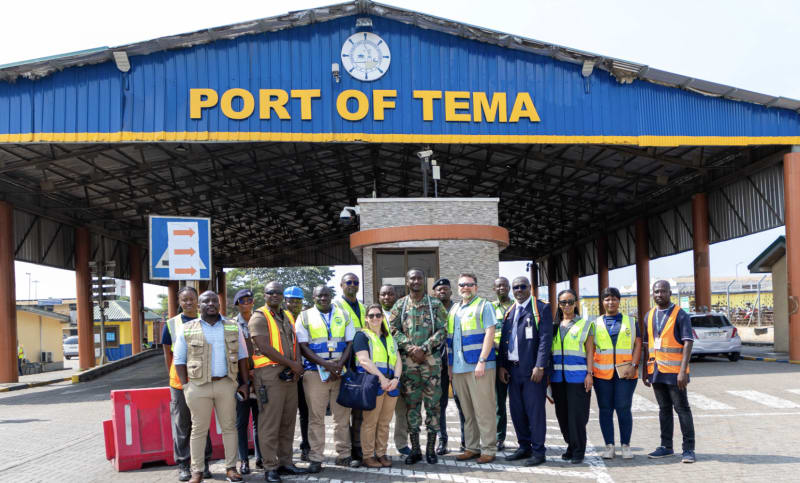
On April 7, Ghana's Ministry of Trade, Agribusiness and Industry gathered onion associations from three nations around one table. Representatives from Ghana, Nigeria, and Niger came together to untangle a trade dispute that had brought cross-border commerce to a halt.
The problem was simple but serious. Trucks carrying onions had been blocked from crossing borders, leaving drivers stranded and produce at risk. For farmers and traders who depend on regional markets to earn their livelihoods, every delayed truck meant spoiling crops and lost income.
The solution emerged through dialogue. Ghanaian onion associations agreed to let Nigerian trucks offload their cargo immediately. Nigerian representatives, including officials from the Nigerian High Commission in Ghana, pledged to release Ghana-bound trucks in return.
But the meeting went beyond just fixing today's problem. The groups agreed to create a roadmap that prevents future standoffs, building on existing regional trade agreements that are meant to make cross-border business easier, not harder.
The Ripple Effect
This breakthrough matters for more than just onions. West Africa has been working for years to build stronger economic ties through frameworks like the African Continental Free Trade Area. When neighboring countries can resolve disputes through stakeholder meetings instead of trade barriers, it shows those regional partnerships actually work.
The onion sector employs thousands of farmers, truck drivers, and traders across the region. Keeping those supply chains flowing means protecting jobs and keeping fresh food moving to markets where people need it.
The commitment to reciprocal action and ongoing cooperation signals a shift toward problem-solving that benefits everyone involved. Traders get reliability, consumers get access to affordable produce, and governments strengthen the relationships that make regional trade possible.
One successful stakeholder meeting proves that borders don't have to be barriers when people choose to work together.
Based on reporting by Myjoyonline Ghana
This story was written by BrightWire based on verified news reports.
Spread the positivity!
Share this good news with someone who needs it