Ghana Opens 5G Market to All Telecom Companies
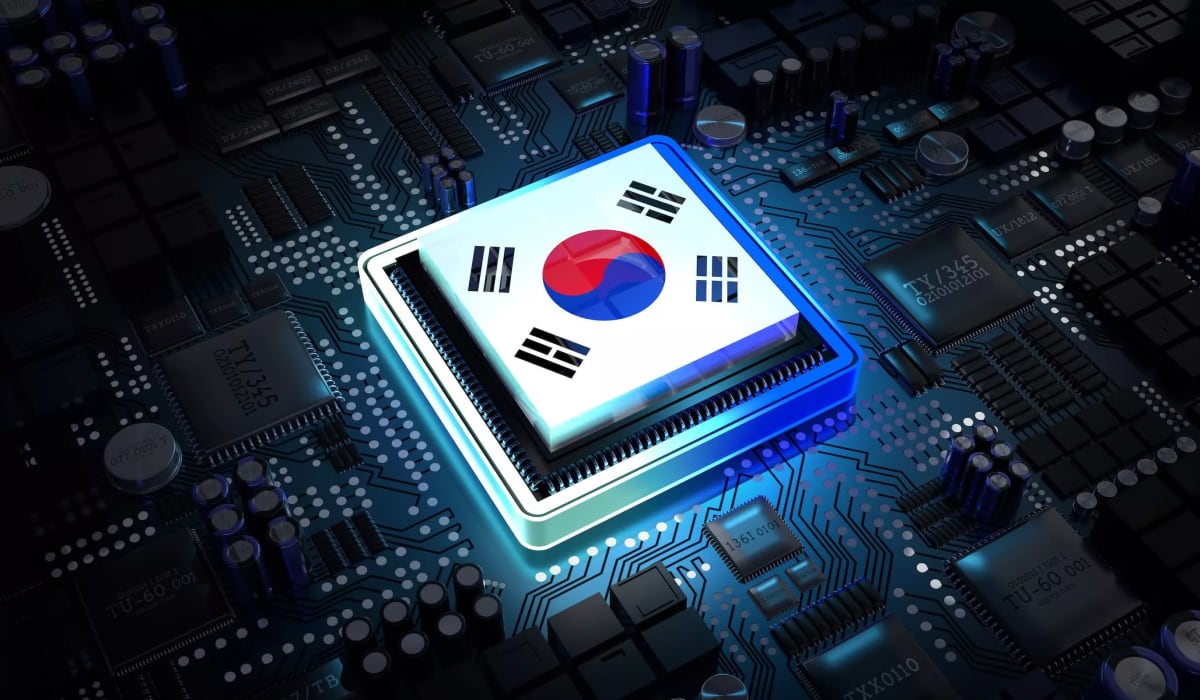
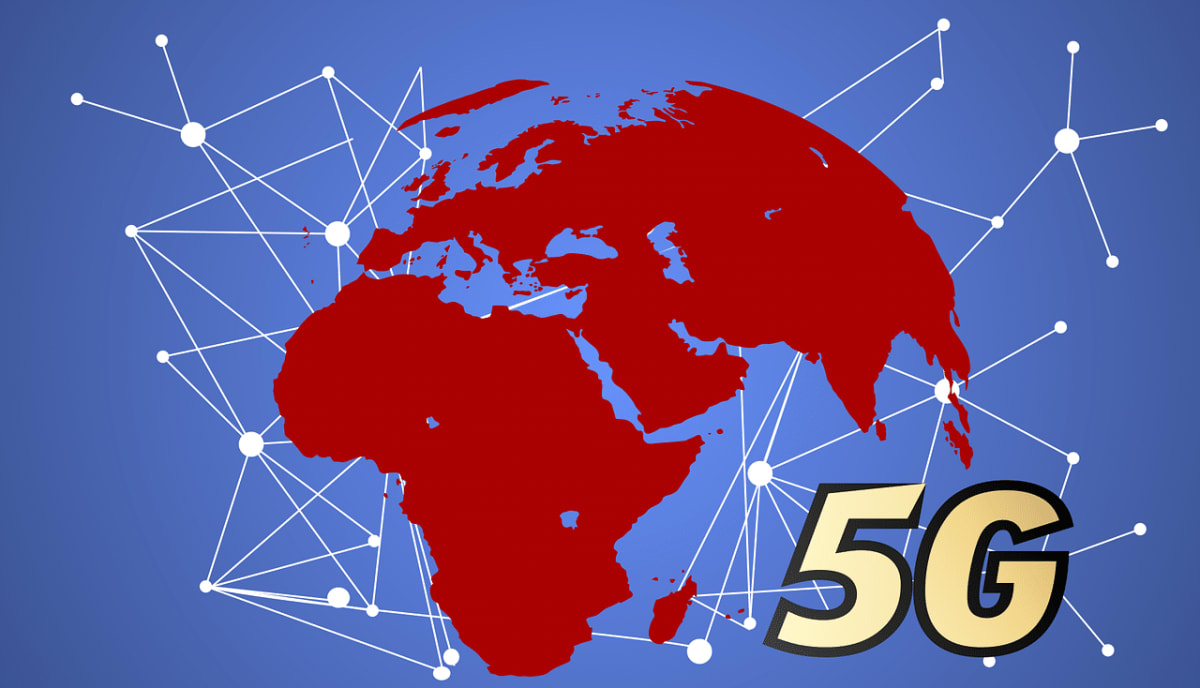
Ghana scrapped its failing monopoly plan and will now let all telecom operators compete to build the country's 5G network. The move could finally bring high-speed internet to millions after years of delays.
Ghana just made a bold move that could transform how millions of people connect to the internet. The government abandoned its slow-moving plan to let one company control 5G and opened the market to all telecom operators who want to compete.
For years, Ghana gave exclusive rights to Next Gen Infraco to build a wholesale 5G network that all mobile companies would share. The idea was to prevent infrastructure duplication and keep costs down, but the rollout crawled forward painfully slowly.
By March 2026, only 49 5G sites had been installed across the entire country. That's nowhere close to the government's target of 1,200 sites by 2027, and it left Ghana as one of the few major African markets still without commercial 5G services.
Now MTN Ghana and Telecel Ghana have confirmed they'll bid for licenses when the auction begins in the coming weeks. Officials believe letting operators build and run their own networks will speed up deployment dramatically and improve service quality.
The contrast with neighboring countries is stark. Nigeria already has roughly 22% population coverage for 5G, Kenya has 38%, and South Africa has surged past 60%. Ghana could reach just 7% by the end of 2026 if deployment starts soon.
The Ripple Effect
Faster 5G networks could unlock opportunities that go far beyond quicker video downloads. Cloud computing, artificial intelligence, fintech innovation, advanced manufacturing, and smart city projects all depend on reliable high-speed connectivity.
For everyday Ghanaians, the change means better competition among telecom companies and faster access to services that are already transforming daily life in other African countries. Students could access online learning more easily, small businesses could reach customers through better digital tools, and healthcare could expand through telemedicine.
The decision also sends a powerful signal across Africa. When infrastructure strategies fail to deliver results, governments are becoming more willing to change course and choose competition over exclusivity.
Ghana's new approach puts control directly in the hands of telecom operators who already understand their customers and have experience building networks. Instead of waiting for a single company to slowly connect the country, multiple operators can now race to bring 5G to as many people as possible.
The country that once lagged behind is now positioned to catch up quickly, and millions of people will benefit from the decision to embrace competition and speed over monopoly and delay.
Based on reporting by Techpoint Africa
This story was written by BrightWire based on verified news reports.
Spread the positivity!
Share this good news with someone who needs it