Ghana Partners with Belarus to Cut Food Waste
Ghana is tackling the huge problem of food lost after harvest with new technology and partnerships. President Mahama announced measures that could transform how the country feeds its people.
Millions of pounds of food never make it from Ghana's farms to dinner tables, but that's about to change.
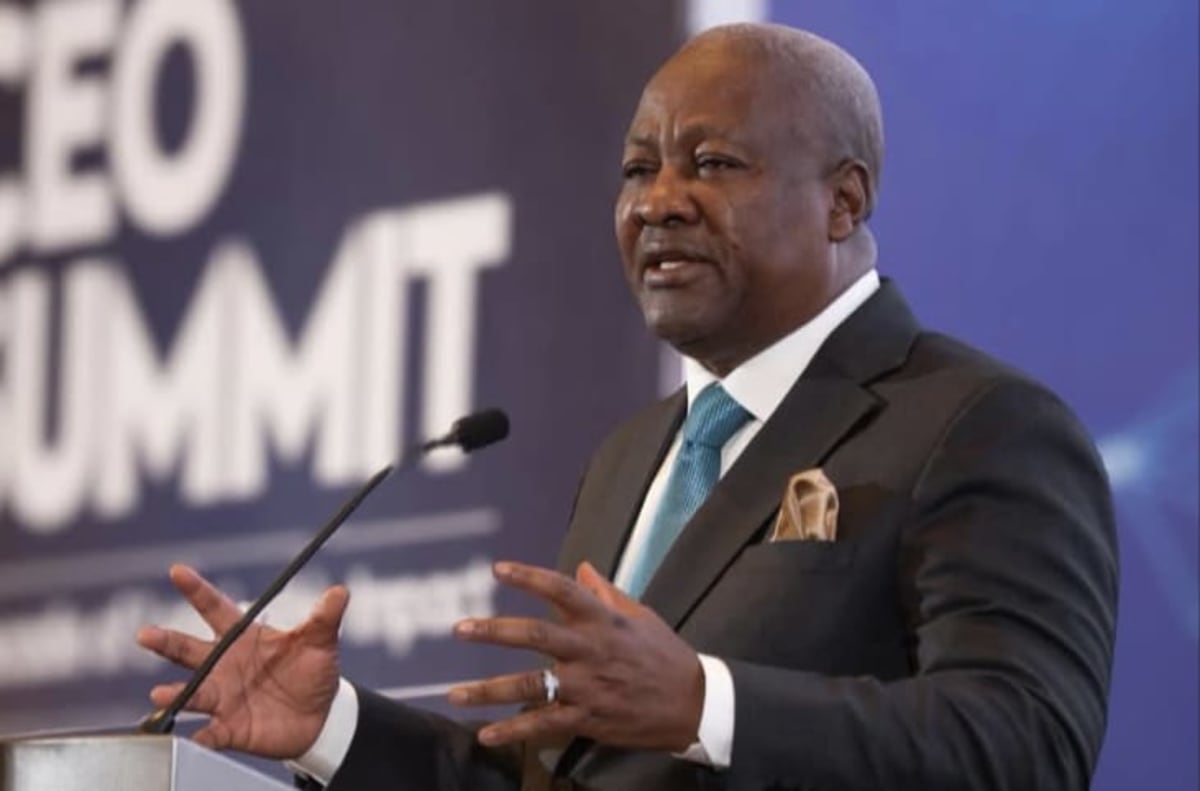
President John Dramani Mahama announced his government is rolling out new policies to slash post-harvest losses, one of the biggest barriers to feeding Ghana's growing population. The problem costs the country enormous amounts of food each year due to poor storage, transportation, and processing facilities.
During talks with Belarus President Alexander Lukashenko on Monday, Mahama shared his vision for transforming Ghana's farms into modern, tech-powered operations. "Our vision is not merely to increase production, but to transform agriculture into a modern technology-driven sector that creates jobs, supports industrialization, strengthens food security, and improves livelihoods," he said.
The two countries signed three partnership agreements covering trade, commerce, and agricultural development. Ghana plans to tap into Belarus's expertise in farm machinery, equipment manufacturing, and agricultural research to upgrade its farming systems.
The government's plan goes beyond just growing more food. It includes expanding irrigation systems, boosting processing facilities, and adding value at every step from field to market.
The Ripple Effect
When farmers lose less food after harvest, everyone wins. Rural families earn more money from their crops. Cities get steadier food supplies at better prices. Young people find new jobs in processing plants and logistics. The entire economy gets stronger when agriculture works smarter.
Ghana picked Belarus as a partner for good reason. The Eastern European nation has decades of experience building efficient farming systems and modern equipment. Technology transfer and skills training from this partnership could help Ghanaian farmers finally solve problems that have plagued them for generations.
The collaboration extends beyond farms too. Both countries plan to work together on manufacturing, medicine production, mining services, clean energy, and technical education.
For a country where agriculture employs so many families and feeds millions, cutting food waste isn't just about efficiency. It's about making sure hard work in the fields translates into full plates and thriving communities across Ghana.
More Images



Based on reporting by Google News - Ghana Development
This story was written by BrightWire based on verified news reports.
Spread the positivity!
Share this good news with someone who needs it