Ghana Pays $24M in Health Claims, Supports 80% Providers
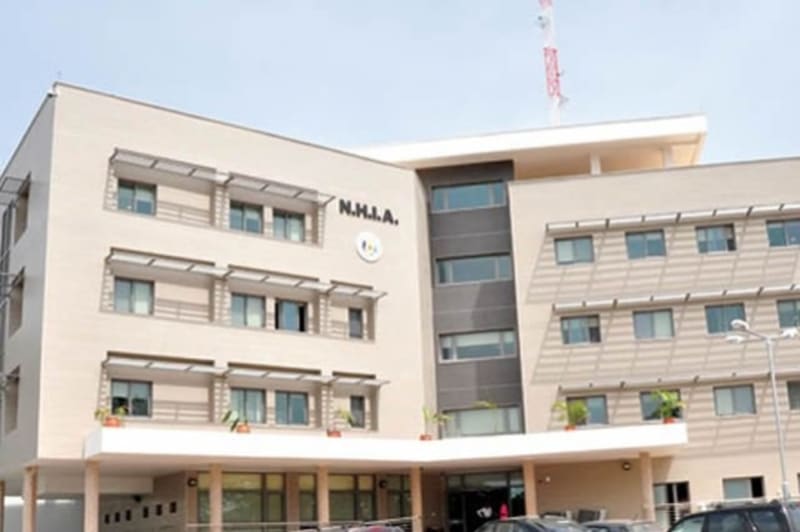
Ghana's National Health Insurance Authority just paid out nearly $24 million to healthcare facilities in two months, ensuring doctors and nurses can keep delivering care. The payments reached over 80% of public and private health facilities across the country.
Ghana's National Health Insurance Authority delivered nearly $24 million to healthcare providers between December and January, keeping its promise to pay claims on time so facilities can keep their doors open.
The payments totaled 392 million cedis (roughly $24 million USD) and covered services that healthcare workers provided to patients enrolled in the National Health Insurance Scheme. These aren't bonuses or grants. They're reimbursements for care already delivered to everyday Ghanaians seeking treatment.
December saw the bulk of payments at $18.5 million, followed by another $5.5 million in January. Public hospitals, private clinics, and faith-based medical centers all received their share based on the care they provided.
Public health facilities received $9.6 million while private facilities got $9.7 million. Mission-run healthcare centers, which often serve rural and underserved communities, collected $4.7 million, representing about 19% of total payments.
The Ripple Effect
When insurance claims get paid on time, the benefits cascade through entire communities. Healthcare facilities can restock medicines, pay their staff, and keep equipment running. Doctors and nurses don't have to choose between treating patients and paying their own bills.
For patients enrolled in Ghana's national health insurance, timely payments mean their local clinic stays open and stocked. It means the nurse who helped them last month will still be there next month. It means the promise of healthcare access becomes reality, not just policy.
The National Health Insurance Scheme covers millions of Ghanaians who might otherwise struggle to afford medical care. When the system works as intended, paying claims promptly and reliably, it strengthens trust in public healthcare and keeps vulnerable communities connected to the care they need.
This payment cycle shows that large-scale health insurance systems can work in developing economies when authorities follow through on commitments. Ghana's approach of vetting claims properly, then paying quickly, creates a sustainable model that keeps healthcare providers invested in serving insurance patients rather than turning them away.
The January payment keeps momentum going into 2026, signaling that timely reimbursement isn't a one-time achievement but an ongoing commitment to the healthcare workers serving their communities every day.
Based on reporting by Myjoyonline Ghana
This story was written by BrightWire based on verified news reports.
Spread the positivity!
Share this good news with someone who needs it