Ghana Plans EV Training Centre for Mechanics
Ghana is preparing its workforce for the electric vehicle revolution with a proposed specialized training centre to teach mechanics how to service EVs. The initiative aims to ensure the country can maintain the growing number of electric vehicles entering its market.
Ghana is getting ready for the electric vehicle future, and it's starting with the people who keep cars running.
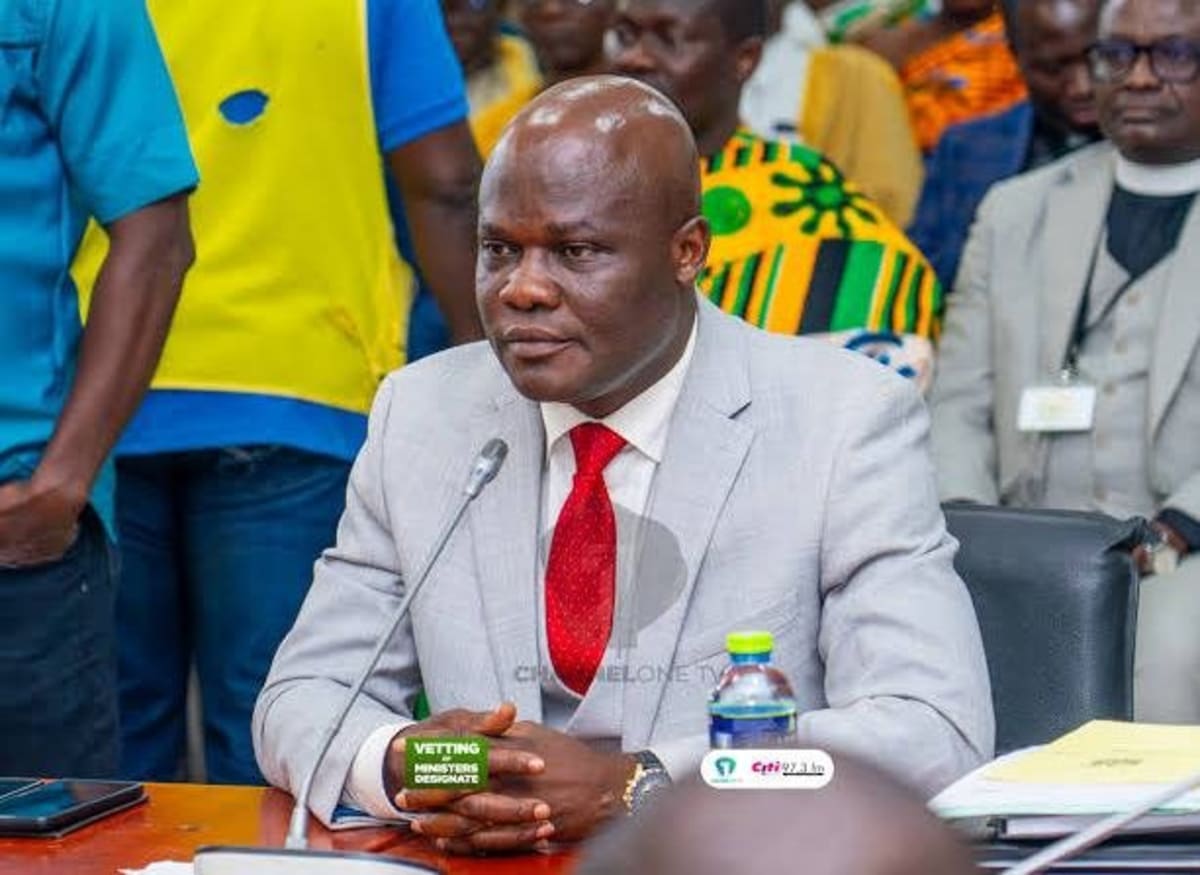
Lands and Natural Resources Minister Emmanuel Armah-Kofi Buah has proposed establishing a specialized Electric Vehicle Capacity Building Centre to train Ghanaian mechanics. The goal is simple: ensure local technicians have the skills to diagnose, maintain, and repair the electric vehicles increasingly sold across Ghana.
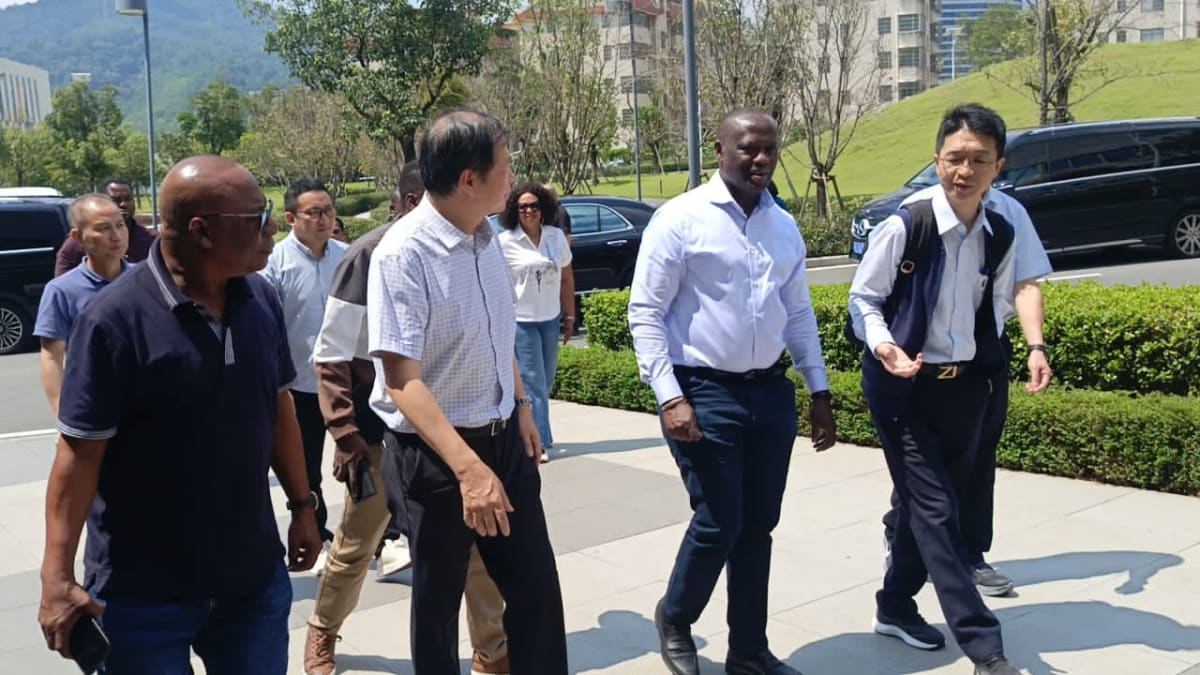
The Minister made the proposal after touring Longking, a Chinese electric vehicle manufacturer, during official engagements in China. He emphasized that as the world shifts away from fossil fuel vehicles toward cleaner alternatives, Ghana must prepare its technical workforce for the change.
Ghana's interest comes at an opportune time. China has emerged as a global leader in EV technology, particularly in commercial vehicles like heavy-duty electric trucks used in mining, ports, and freight operations. Electric heavy trucks now account for 44 percent of new heavy-truck sales in China, with sales jumping 45 percent year over year in early 2026.
For Ghana, where mining, haulage, and logistics play critical economic roles, this technology could transform how goods and minerals move across the country. The vehicles can travel hundreds of kilometers on a single charge, making them practical for short-haul operations that currently rely on diesel trucks.
The Ripple Effect
The proposed training centre represents more than just teaching mechanics new skills. It signals Ghana's commitment to not simply importing new technology but building local expertise to support it.
China's experience with battery-swapping technology offers valuable lessons. These automated stations can replace a depleted battery with a fully charged one in minutes, keeping commercial trucks in service instead of waiting hours for recharging. This infrastructure approach shows how supporting systems matter as much as the vehicles themselves.
Minister Armah-Kofi Buah suggested that China could play an important role in helping Ghana build this technical capacity. The partnership would give Ghanaian mechanics access to training on cutting-edge technology while ensuring the country develops homegrown expertise in this emerging industry.
The centre would prepare mechanics, engineers, and technical professionals for a transition that's already underway globally. As electric vehicles become more common on Ghanaian roads, locally trained technicians will be essential for keeping them running efficiently and affordably.
Ghana is showing that embracing clean technology means investing in people first.
Based on reporting by Google News - Ghana Development
This story was written by BrightWire based on verified news reports.
Spread the positivity!
Share this good news with someone who needs it