Ghana Plants 30 Million Trees to Restore Lost Forests
Ghana successfully planted over 30 million trees in 2025 as part of a nationwide effort to reverse decades of deforestation. The ambitious reforestation drive aims to restore the country's forest cover, which has declined by nearly 80% due to illegal mining and environmental damage.
📺 Watch the full story above
Ghana just planted more than 30 million trees in a single year, marking a major step forward in the fight to restore forests that once covered much of the West African nation.
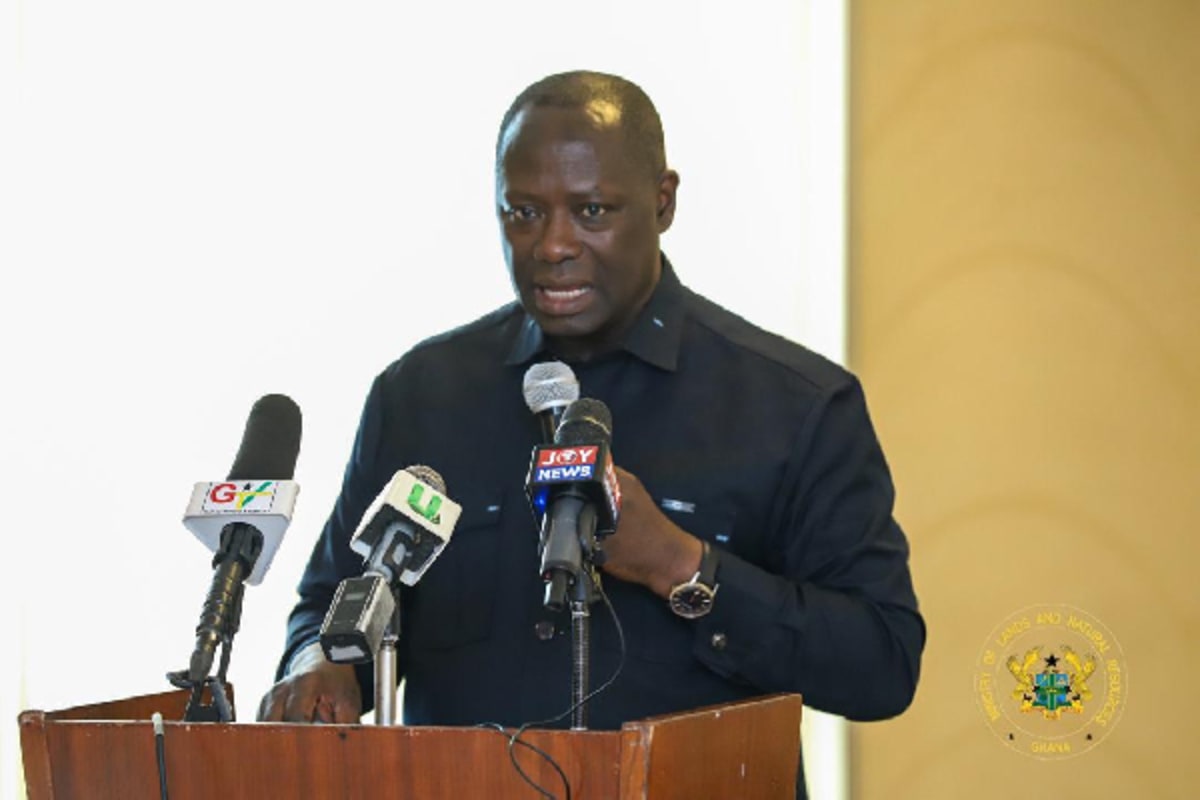
The Minister of Lands and Natural Resources, Emmanuel Armah-Kofi Buah, announced the achievement as part of Ghana's broader push to tackle deforestation and promote long-term environmental sustainability. The seedlings were distributed and planted across the country throughout 2025, meeting the government's ambitious target.
The initiative comes at a critical time for Ghana's environment. Illegal mining operations and unchecked development have stripped away nearly 80% of the country's original forest cover over recent decades, leaving communities vulnerable to erosion, climate impacts, and loss of biodiversity.
Minister Armah-Kofi Buah emphasized the urgency of the moment. "It is paramount that we take deliberate and collective action to protect, restore and sustainably manage our forest resources," he said during the announcement.
The massive planting effort represents more than just numbers. Each tree planted helps stabilize soil, clean the air, provide habitat for wildlife, and offer future economic opportunities for communities through sustainable forestry practices.
The Ripple Effect
The success of Ghana's tree planting campaign could inspire similar efforts across West Africa, a region facing severe deforestation challenges. When countries demonstrate that large-scale reforestation is achievable, it creates a roadmap for neighbors to follow.
Local communities participated in the planting drive, creating jobs and building environmental awareness at the grassroots level. This combination of top-down planning and bottom-up engagement gives the initiative a better chance of long-term success than programs that rely solely on government action.
Some lawmakers are now calling for greater transparency about where trees were planted and how they'll be maintained. Member of Parliament Patrick Yaw Boamah wants detailed data showing which regions and districts benefited, arguing that accountability will help ensure the gains are real and lasting.
These questions reflect a healthy democratic process where citizens and representatives demand proof that environmental promises translate into actual change. The debate has shifted from whether Ghana can plant millions of trees to how the country will protect and sustain them for decades to come.
Ghana's forest restoration effort shows what's possible when governments commit resources and communities get involved in healing the land.
Based on reporting by Google News - Reforestation
This story was written by BrightWire based on verified news reports.
Spread the positivity!
Share this good news with someone who needs it