Ghana Police Get New Anti-Trafficking Unit in Cocoa Region
A new child-focused anti-trafficking center just opened in Ghana's cocoa belt, equipped with trained officers, motorcycles, and resources to rescue children trapped in forced labor. Over the past decade, similar efforts have already freed nearly 600 victims and arrested over 235 suspects.
Police officers in Ghana's Ahafo region now have a powerful new tool in the fight against child trafficking: a fully equipped anti-trafficking unit designed specifically to protect the most vulnerable.
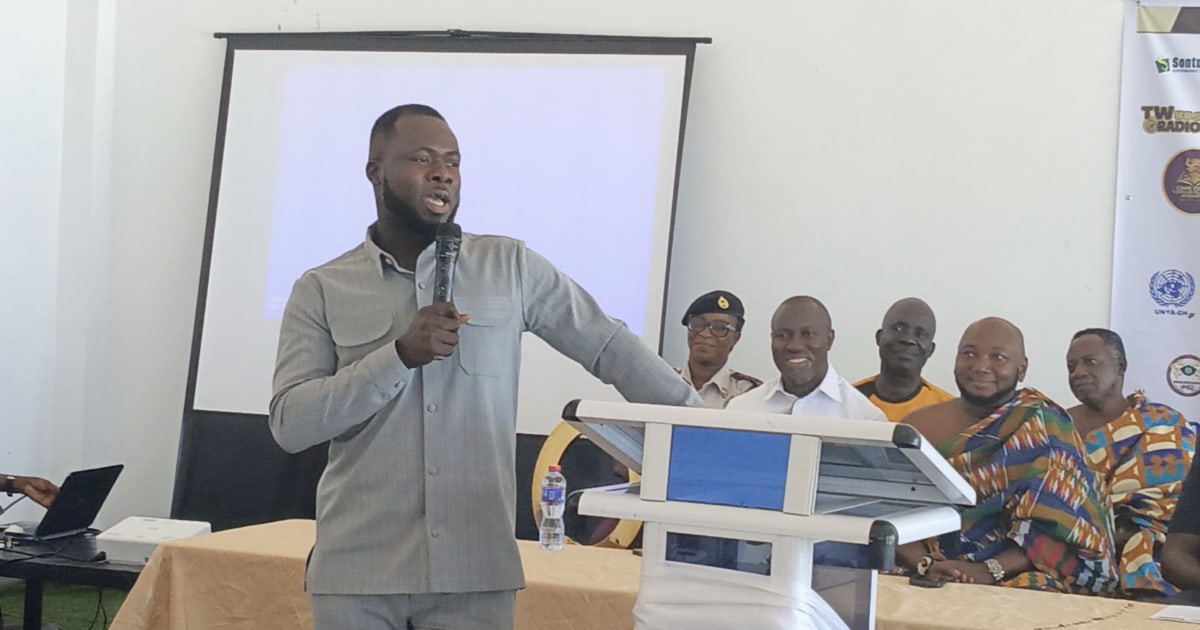
The International Justice Mission and the Netherlands Embassy opened the Child-Friendly Anti-Trafficking Unit in Goaso on June 1, complete with furniture, resources, and even a motorcycle for rapid response. The Dutch government funded the facility as part of its commitment to cleaning up cocoa supply chains, since the Netherlands is the world's largest importer of Ghanaian cocoa.
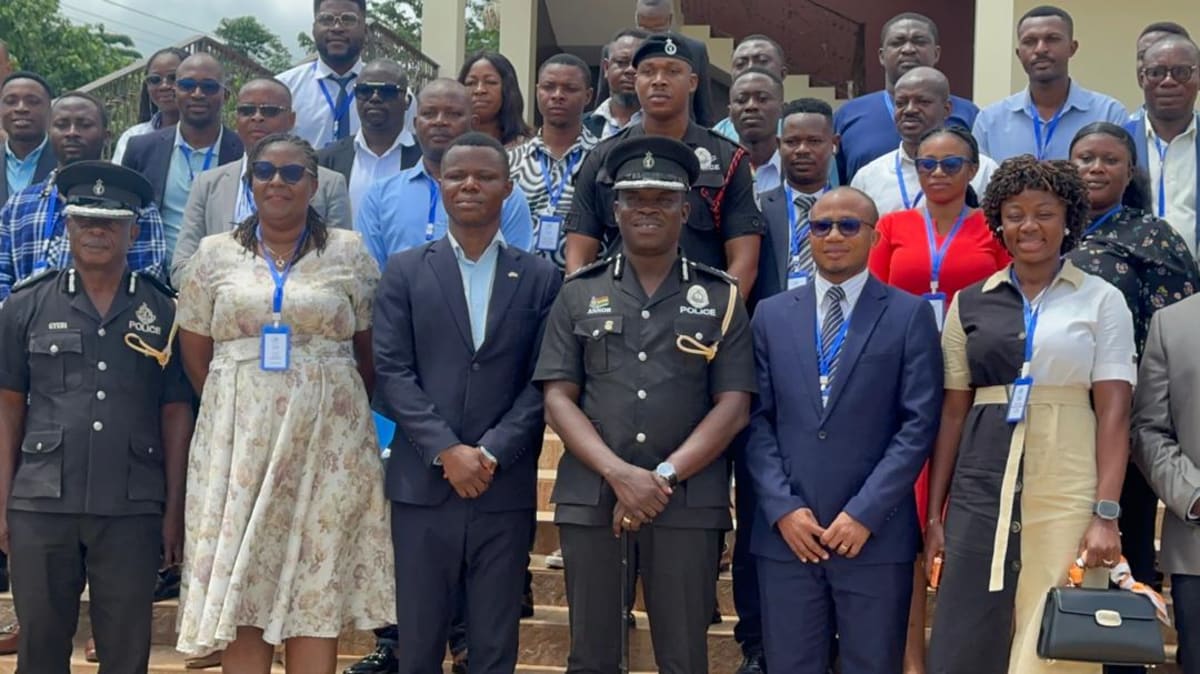
Specialized police officers spent the week learning trauma-informed interviewing, evidence gathering, and how to work with child survivors without causing additional harm. The training covered everything from crime scene documentation to building strong legal cases against trafficking networks.
The timing couldn't be more critical. Research shows that roughly 20 out of every 1,000 children working in Ghana's cocoa industry are forced to labor against their will, and adult workers face exploitation too, with 3.3 victims per 1,000 workers. These children wield machetes, carry heavy loads, and handle pesticides without protective gear.
Gabriel Acolatsey, Project Manager for IJM Ghana, emphasized that ending trafficking requires more than rescue missions. The justice system itself needs strengthening so that survivors receive proper care and traffickers face real consequences.
The Ripple Effect
This new unit represents just one piece of a decade-long partnership that's already changing lives across Ghana's cocoa belt. The collaboration between IJM, the Netherlands, police, civil society groups, traditional leaders, and media outlets has built a comprehensive network that both prevents trafficking and prosecutes offenders.
The results speak for themselves: nearly 600 victims rescued, over 235 suspects arrested, and numerous convictions secured through Ghana's courts. Communities that once had little awareness of child labor laws now understand their rights and how to report suspected trafficking.
Deputy Commissioner James Annor thanked both organizations for choosing Ahafo for this critical training, noting that protecting children requires extreme vigilance and specialized skills. Peter Dadzie from the Netherlands Embassy highlighted how addressing root causes like economic instability in cocoa communities can prevent trafficking before it starts.
While Ghana passed the Children's Act in 1998 banning child labor under age 15 and hazardous work under 18, enforcement has lagged in rural areas. This new unit bridges that gap by putting trained officers directly in communities where trafficking happens, with the resources and knowledge to act quickly.
Six hundred families have been reunited because partners refused to accept that child exploitation was inevitable.
Based on reporting by Myjoyonline Ghana
This story was written by BrightWire based on verified news reports.
Spread the positivity!
Share this good news with someone who needs it