Ghana Protects Coast for Local Fishers, Leads Ocean Reform
Ghana just expanded protected waters for local fishers and created its first marine protected area, leading West Africa's fight to reclaim oceans from illegal fishing that feeds billions while foreign fleets drain resources.
Over 100 million West Africans depend on ocean fish for food and income, but illegal fishing by foreign fleets has been draining coastal waters for years. Now Ghana is fighting back with new protections that could change everything.
In Ghana alone, fish provides 60% of the population's protein. But illegal, unreported, and unregulated fishing has turned West African waters into what experts call a "poachers' paradise," costing coastal economies billions of dollars annually.
Foreign industrial vessels from Europe, China, Russia, and Turkey have been linked to destructive practices that steal resources from local fishing families. The impact goes far beyond empty nets.
Here's what makes this crisis particularly painful: small fish like sardinella that West African families rely on for affordable protein are being diverted to make fish meal for salmon farms. In 2020, up to 144,000 tons of these fish went to Norwegian salmon farming alone. That volume could have fed between 2.5 million and 4 million West Africans for an entire year.
When fishers return with empty nets, entire communities suffer. Declining catches mean less income and food for small-scale fishers, processors, and traders who've depended on these waters for generations.
The desperation has driven dangerous migration. In 2023 alone, more than 3,000 people died attempting the deadly journey to Europe, many fleeing coastal areas where the ocean can no longer sustain them.
The Ripple Effect
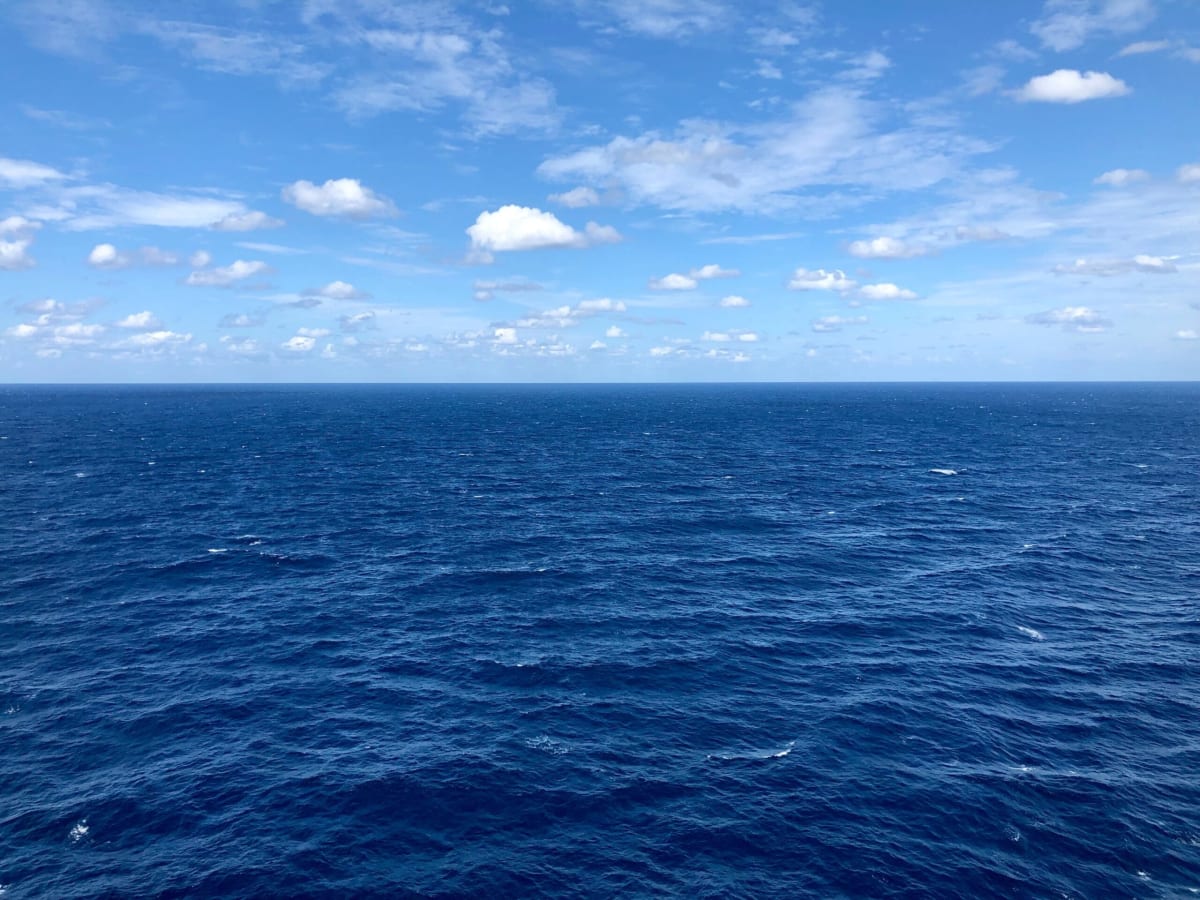
Ghana is now showing what's possible when governments prioritize their own people. The country expanded its Inshore Exclusion Zone from 6 to 12 nautical miles offshore, creating a protected area where industrial and destructive fishing is banned. Only artisanal fishers can work these waters now.
Ghana also established its first marine protected area at Cape Three Points. These moves build on the country's commitment to transparency through the Fisheries Transparency Initiative and the Global Charter for Fisheries Transparency.
The progress is spreading. Ghana, Liberia, and Sierra Leone are working together on fisheries transparency, while Liberia has also endorsed the Global Charter.
The upcoming Our Ocean Conference will be held on African soil for the first time, giving leaders a platform to strengthen enforcement, improve transparency in vessel ownership, and ensure fisheries policies serve local communities instead of foreign interests.
With stronger leadership and meaningful accountability, West African governments can rebuild fish stocks, restore livelihoods, and ensure their waters nourish the people who depend on them most.
More Images


Based on reporting by Premium Times Nigeria
This story was written by BrightWire based on verified news reports.
Spread the positivity!
Share this good news with someone who needs it