Ghana Reopens Waste Station After Floods Hit 3,000 Collectors
When devastating floods shut down landfills across Ghana's capital, nearly 3,000 tricycle waste collectors had nowhere to dump garbage, threatening a major health crisis. The government and private partners just reopened a key transfer station to get waste flowing again.
After recent floods submerged landfills across Greater Accra, nearly 3,000 tricycle waste collectors found themselves stuck with nowhere to dispose of the garbage they'd collected from homes and businesses. The mounting refuse threatened to trigger a serious public health emergency across Ghana's capital.
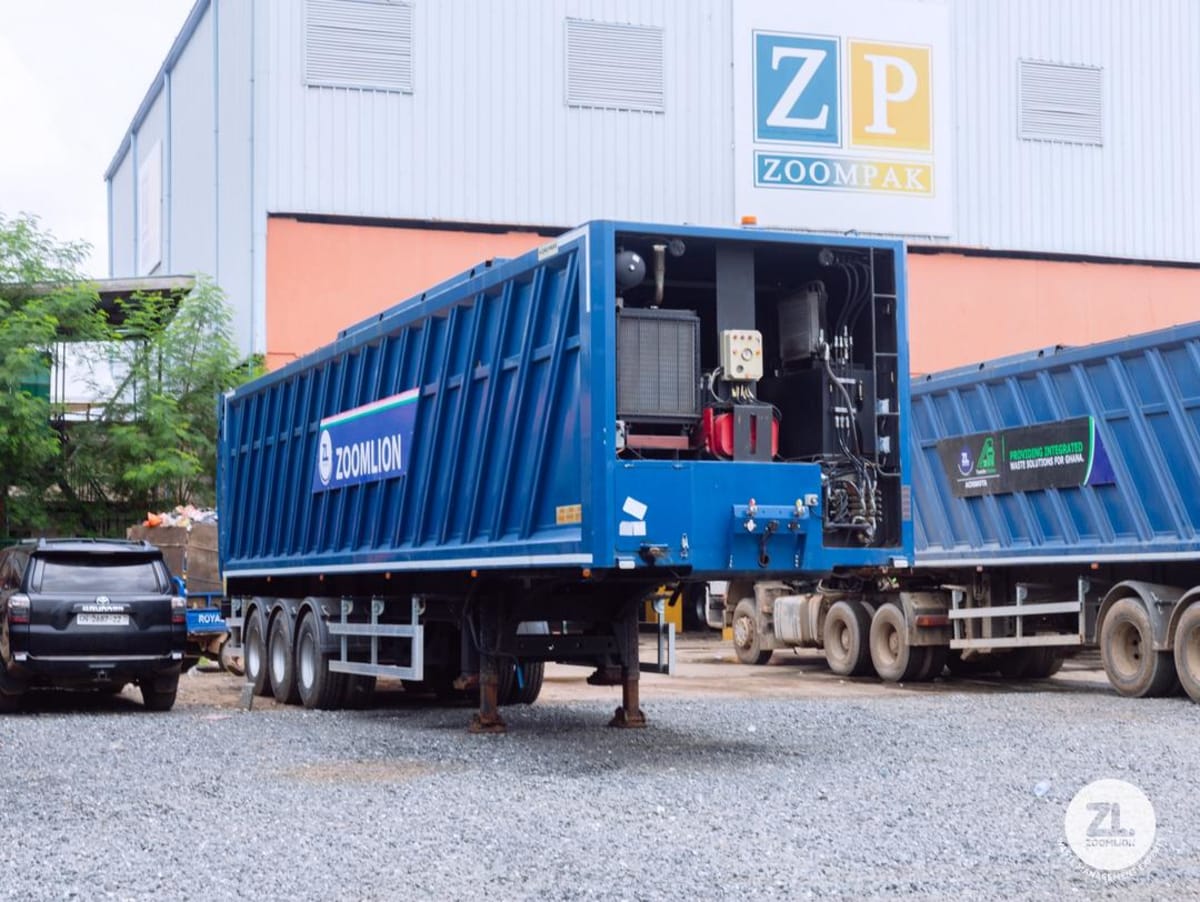
But on June 26, 2026, the government and Zoomlion Ghana Limited announced they'd reopened the Achimota Transfer Station to restore waste collection services. The facility now serves as a relief point where small tricycle operators can drop off refuse for larger trucks to haul to treatment sites.
Local Government Minister Ahmed Ibrahim led a working visit to the reopened station, crediting a two-week emergency response effort. He thanked the Jospong Group, Ghana Armed Forces engineers, and national security officials for helping tackle what he called a serious sanitation emergency.
The flooding had pushed many informal collectors toward illegal dumping sites that charged lower fees than official transfer stations. When floodwaters rose, they carried that improperly disposed waste into surrounding communities like Dansoman, spreading pollution and health risks.
Dr. Joseph Siaw Agyepong, Executive Chairman of the Jospong Group, explained that the Achimota station was actually built back in 2015 after Ghana's president toured Turkey to study modern waste systems. Operations had stalled because expected government subsidies never materialized, making the facility too expensive to run sustainably.
The Ripple Effect
The partnership signals a shift in how Ghana thinks about waste management. Both government and private sector leaders agreed that sanitation should be treated as a public good requiring sustained investment, not just a commercial venture.
Dr. Siaw Agyepong pointed to countries like China and Turkey that heavily subsidize waste infrastructure because effective sanitation prevents disease outbreaks and protects public health. Modern waste management, he stressed, goes far beyond simple collection to include sorting, treatment, recycling and reuse.
Zoomlion has grown from operating manual tricycles two decades ago to managing 45 treatment facilities nationwide handling everything from household waste to medical and hazardous materials. Ghanaian professionals trained by the company now support sanitation operations in Kenya, Liberia, Nigeria and other African nations.
The government plans to work with informal collectors, transfer station operators and waste companies to develop a sustainable framework that makes better use of existing infrastructure. Making facilities affordable for small operators while keeping them financially viable remains the key challenge.
Both partners expressed confidence that continued collaboration and appropriate policy support will strengthen Ghana's waste systems and protect environmental health across the country.
Based on reporting by Myjoyonline Ghana
This story was written by BrightWire based on verified news reports.
Spread the positivity!
Share this good news with someone who needs it