Ghana Scholars Champion Indigenous Knowledge in Development
Experts from four continents gathered in Ghana to reimagine how African knowledge systems can shape science and development policy. The conference sparked vital conversations about moving beyond Western-only approaches to solving modern challenges.
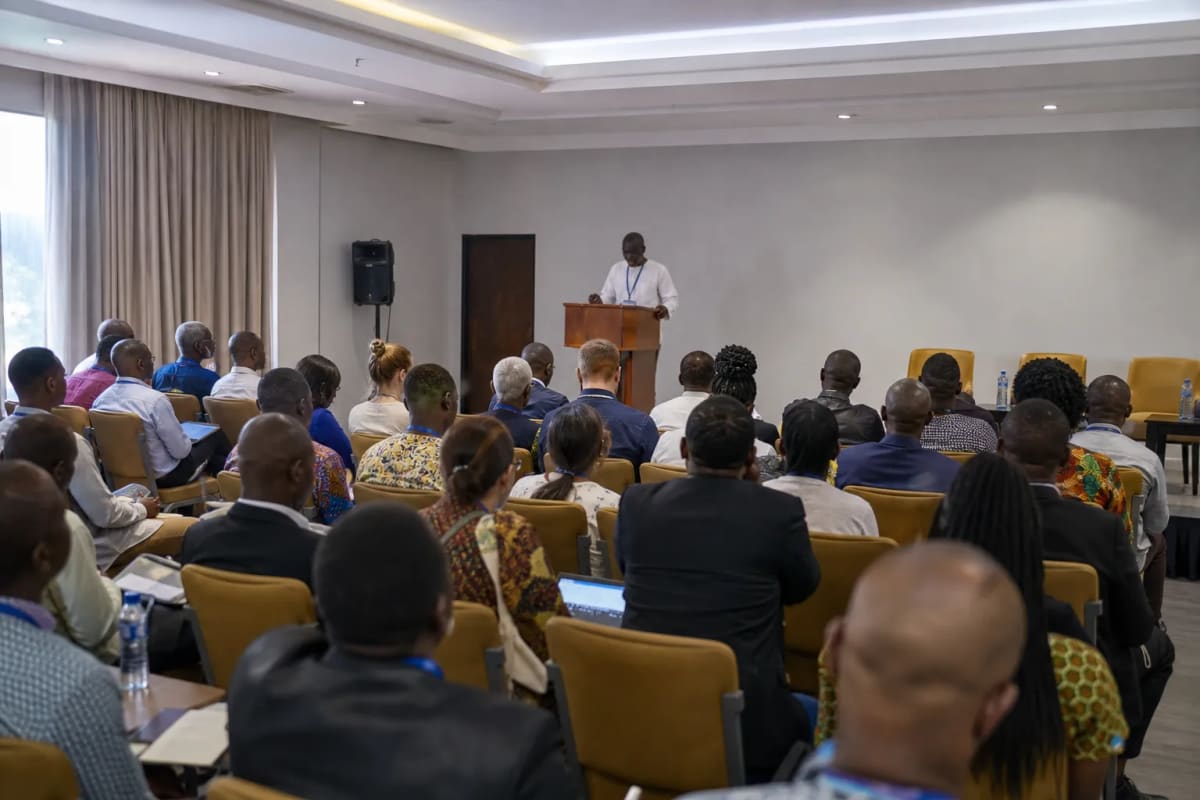
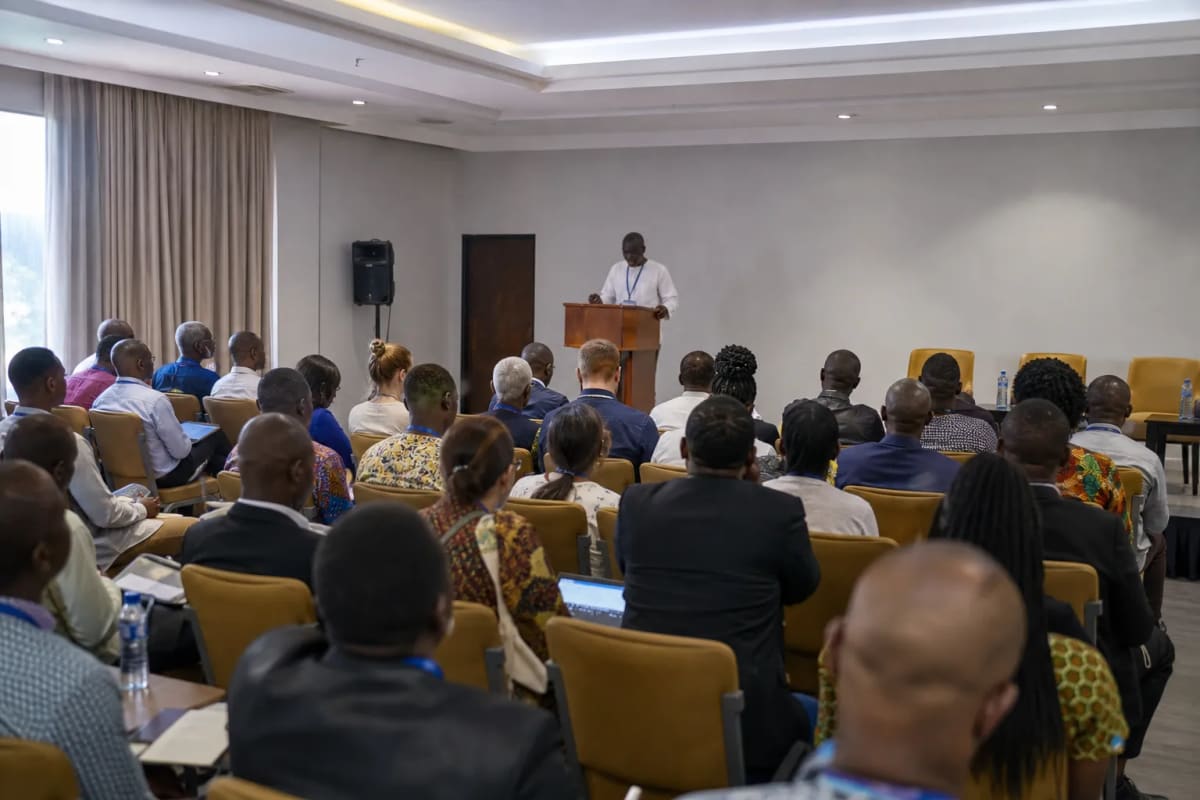
Forty-five scholars from across the globe met in Jirapa, Ghana, this September with a bold mission: to elevate Indigenous African knowledge alongside Western science in tackling today's biggest challenges.
The three-day Institute for Global Values Inquiry conference brought together thinkers from Latin America, Asia, Europe, and Africa at the University for Business and Integrated Development Studies. Their goal was to challenge the assumption that Western approaches are the only valid path to progress.
University Vice-Chancellor Emmanuel Kanchebe Derbile opened the conversation by acknowledging how colonialism and imperialism had sidelined African philosophies and knowledge systems. But he emphasized something crucial: Indigenous knowledge isn't a relic of the past.
"These are living systems for responding to structural injustice and contemporary crises," Derbile explained. He pointed to real-world applications, including the university's new Centre for Gender, Diversity and Social Inclusion, which applies these principles to modern challenges.
David Millar, President of Millar Open University, challenged the notion that European science holds a monopoly on objectivity. Using the Dagara people's worldview as an example, he argued that valuable knowledge grows from cultural roots, not just laboratories.
The Ripple Effect
This gathering represents more than academic debate. It signals a growing global movement to recognize that solutions to climate change, healthcare, agriculture, and social justice might already exist in traditional practices.
The conference tackled difficult questions too. When discussions turned to traditional practices like polygyny, participants including feminist theorist Oyeronke Oyewumi and lecturer Lindokuhle B. Gama pushed back, demonstrating that decolonizing knowledge doesn't mean accepting everything uncritically.
After their first summit in Berlin, organizers deliberately chose to hold future conferences in the Global South. This isn't about replacing one dominant system with another but about creating space for multiple knowledge traditions to inform policy and practice.
The university has already put these principles into action, investing in programs that blend traditional wisdom with contemporary needs. Professor Constance Akurugu now leads gender equality initiatives that honor African perspectives rather than simply importing Western frameworks.
These conversations matter because they're reshaping how development happens on the ground. When local knowledge guides policy, solutions fit communities better and last longer.
This conference proves that the future of global development looks brighter when more voices help write it.
More Images



Based on reporting by Google News - Ghana Development
This story was written by BrightWire based on verified news reports.
Spread the positivity!
Share this good news with someone who needs it