Ghana Schools Stay Open as Feeding Funds Released
Senior high schools across Ghana will remain open as the government releases long-delayed feeding grants. The move ends weeks of uncertainty that threatened to disrupt education for thousands of students.
Schools across Ghana are breathing a collective sigh of relief as the government moves to clear a backlog of feeding grants that had sparked shutdown fears.
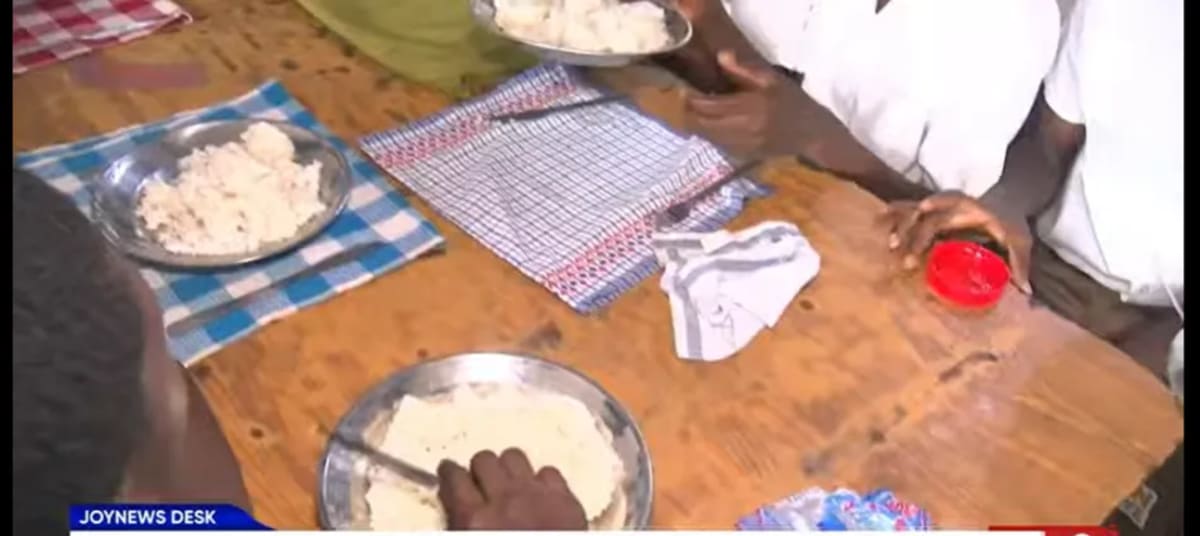
The Conference of Heads of Assisted Secondary Schools (CHASS) confirmed that funds are now being processed to pay outstanding feeding arrears. School leaders had been under mounting pressure as delays threatened their ability to feed students under the Free SHS programme.
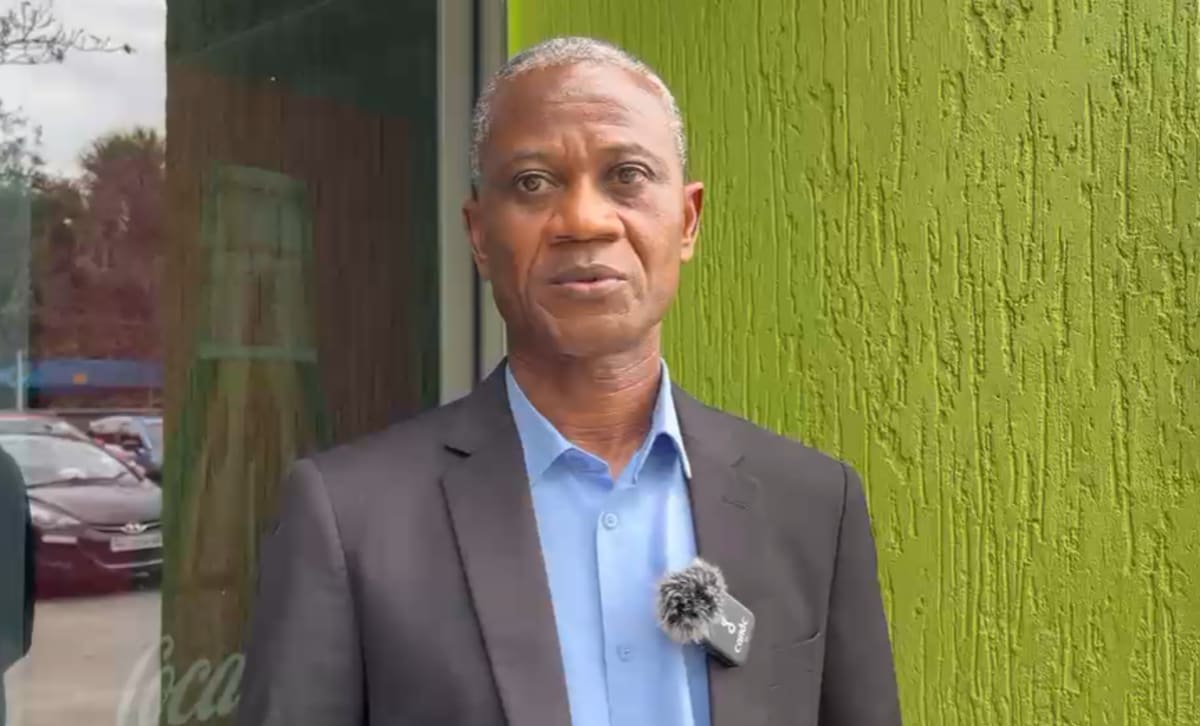
Primus Baro, CHASS National Secretary, shared the good news in an interview with Joy FM. "We've had assurance from our authorities that the money is sitting and will hit our accounts," he explained.
The announcement brings welcome stability to schools that had been struggling to maintain feeding operations. School heads were informed that payments would arrive in their accounts soon, allowing them to continue serving meals without interruption.
The funding crisis had created real anxiety for educators and families alike. Many schools wondered if they could keep their kitchens running while waiting for the government to honor its commitments under the Free SHS programme.
Why This Inspires
This resolution shows what happens when education stakeholders communicate openly about challenges. Rather than allowing schools to shut down and disrupt learning, officials worked to expedite funding and keep classrooms open.
The move protects thousands of students who depend on school meals not just for nutrition, but for the opportunity to focus on their education. For many families, the Free SHS programme represents hope for their children's future.
CHASS has called for stronger systems to prevent future delays in the feeding programme. The organization wants sustainable funding mechanisms that ensure schools never again face this kind of uncertainty.
School funding will be distributed based on student population, meaning larger schools will receive proportionally more support. Officials say this ensures fair allocation across the country's diverse educational institutions.
The crisis highlights the ongoing commitment to free secondary education in Ghana, even when implementation challenges arise. When problems surface, the government and school leaders are finding solutions together.
Based on reporting by Myjoyonline Ghana
This story was written by BrightWire based on verified news reports.
Spread the positivity!
Share this good news with someone who needs it