Ghana Scientist Calls for Community-Led Mining Solutions
A Ghanaian soil scientist is championing a groundbreaking approach to stop illegal mining by empowering local communities instead of relying on failed top-down enforcement. His new book offers science-backed solutions to restore damaged lands while giving affected communities a real voice.
Dr. Albert Kobina Mensah believes Ghana's illegal mining crisis needs a revolution in thinking, not another task force from the capital.
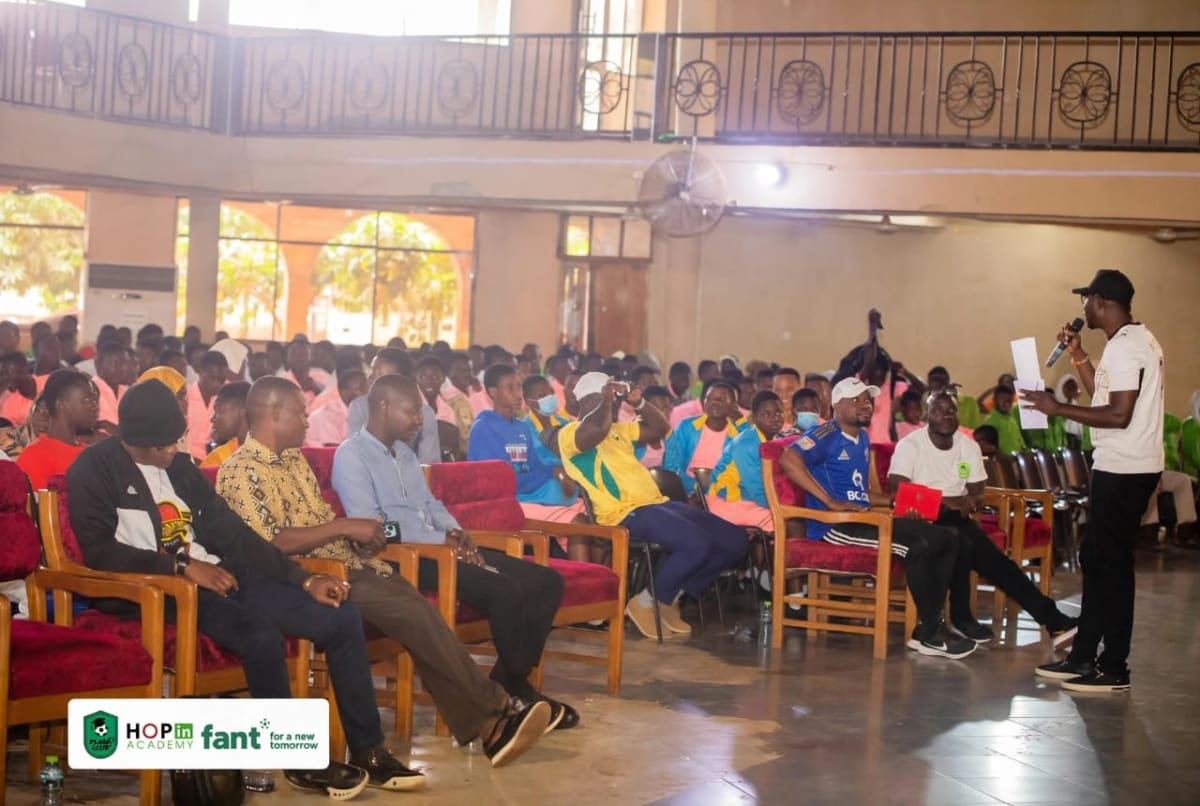
The soil research scientist at Ghana's Council for Scientific and Industrial Research launched his latest book this month with a bold message. Top-down enforcement strategies have failed because they ignore the people who live with mining's consequences every day.
His book, "Soil Pollution and Remediation," goes beyond identifying problems. It offers practical, science-based solutions for restoring contaminated lands through techniques like phytoremediation, which uses plants to clean polluted soil.
Dr. Mensah's critique is rooted in observation and data. Government task forces deploy from Accra without consulting affected communities, creating policies that don't address root causes. Whether mining operations are legal or illegal, large-scale or artisanal, they all cause environmental damage.
The solution, he argues, is community empowerment. Local residents should oversee mining activities in their own areas, participating in decisions that affect their land, water, and health. Self-regulation at the community level, supported by revised institutional frameworks, could succeed where centralized enforcement has repeatedly failed.
The Ripple Effect
Dr. Mensah's call extends beyond Ghana's borders. He's urging African scientists to publish more research, sharing both success stories and challenges with the world. Despite limited research funding across the continent, he believes creative solutions are possible.
"The resources are not there, but we can improvise," he told attendees at the book launch in Kromuase, Ashanti Region.
His optimism is backed by action. As a lecturer at UMAT and the CSIR College of Science and Technology, he's already authored several books on environmental safety and mine-site reclamation. Each publication adds to a growing body of African-led environmental research.
The stakes are enormous. Illegal mining, known locally as galamsey, has contaminated water sources and destroyed farmland across Ghana. But Dr. Mensah sees opportunity in the crisis: a chance to rebuild institutional frameworks, empower communities, and develop homegrown solutions that could serve as models for mining-affected regions worldwide.
His message is clear: the people closest to the problem are best positioned to solve it, if given the tools and authority to act.
Based on reporting by Myjoyonline Ghana
This story was written by BrightWire based on verified news reports.
Spread the positivity!
Share this good news with someone who needs it