Ghana Secures $134M to Save Cocoa Farmers From Crisis
A groundbreaking $134 million deal between Access Bank and the International Finance Corporation just threw a lifeline to Ghana's cocoa farmers facing a liquidity crisis. The agreement ensures the companies that buy from smallholder farmers can keep paying on time.
Ghana's cocoa farmers can breathe easier after a massive $134 million risk-sharing agreement was signed to rescue the companies that buy their beans. The deal, finalized in Accra in January 2026, directly tackles a cash crisis that threatened to leave rural farmers unpaid during the current harvest season.
Licensed Buying Companies serve as the crucial link between Ghana's smallholder cocoa farmers and the global chocolate market. But when COCOBOD faced delays in securing its traditional financing, these companies suddenly couldn't access the working capital needed to purchase beans from farmers.
The International Finance Corporation stepped in with a creative solution. By providing an unfunded guarantee to Access Bank Ghana, the IFC will absorb up to 50% of the risk on loans to six major buying companies, including AgroECOM and Barry Callebaut's Nyonkopa division.
This risk-sharing lets Access Bank lend more money at better rates than normal market conditions would allow. Most importantly, it ensures cash flows directly to the farm gate where smallholder farmers depend on timely payments for their livelihoods.
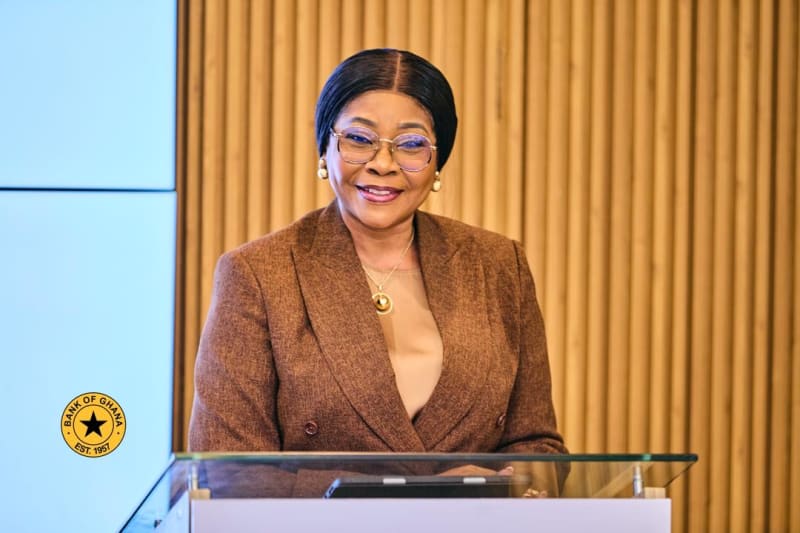
The timing couldn't be better for Ghana's economic recovery. Mrs. Matilda Asante-Asiedu, Second Deputy Governor of the Bank of Ghana, called the deal "a national economic priority" at the signing ceremony.
She emphasized that stable buying companies mean stable rural livelihoods, stronger export earnings, and a more resilient currency. With Ghana's inflation dropping to 5.4% in January 2026, its lowest since 2022, the country is building momentum toward broader economic stability.
The Ripple Effect
This agreement represents more than just emergency funding. It signals a fundamental shift in how Ghana's cocoa sector operates, moving away from decades of state-dominated financing toward private sector partnerships.
The change aligns with Ghana's broader economic diversification goals while protecting the 800,000 smallholder farming families who depend on cocoa for their income. When these farmers get paid on time, entire rural communities benefit through increased spending at local businesses and markets.
The model also shows how international development finance can work alongside commercial banks to solve real-world problems. By sharing risk, the IFC makes it possible for private capital to flow into sectors that might otherwise seem too risky.
Ghana produces about 20% of the world's cocoa, making this intervention significant not just for African farmers but for the global chocolate supply chain. Stable payments mean consistent quality and reliable supply for chocolate manufacturers worldwide.
This $134 million lifeline proves that creative financial partnerships can protect vulnerable farmers while strengthening entire economies from the ground up.
Based on reporting by Myjoyonline Ghana
This story was written by BrightWire based on verified news reports.
Spread the positivity!
Share this good news with someone who needs it