Ghana Slashes Data Costs 70% After Gov't Negotiations
Ghanaians are getting up to 70% more data for their money after the government negotiated directly with telecom companies. Families are saving nearly $600 monthly on internet bills while mobile users get 10-15% more data per dollar.
Internet just became dramatically more affordable for millions of Ghanaians, thanks to direct negotiations between the government and mobile network providers.
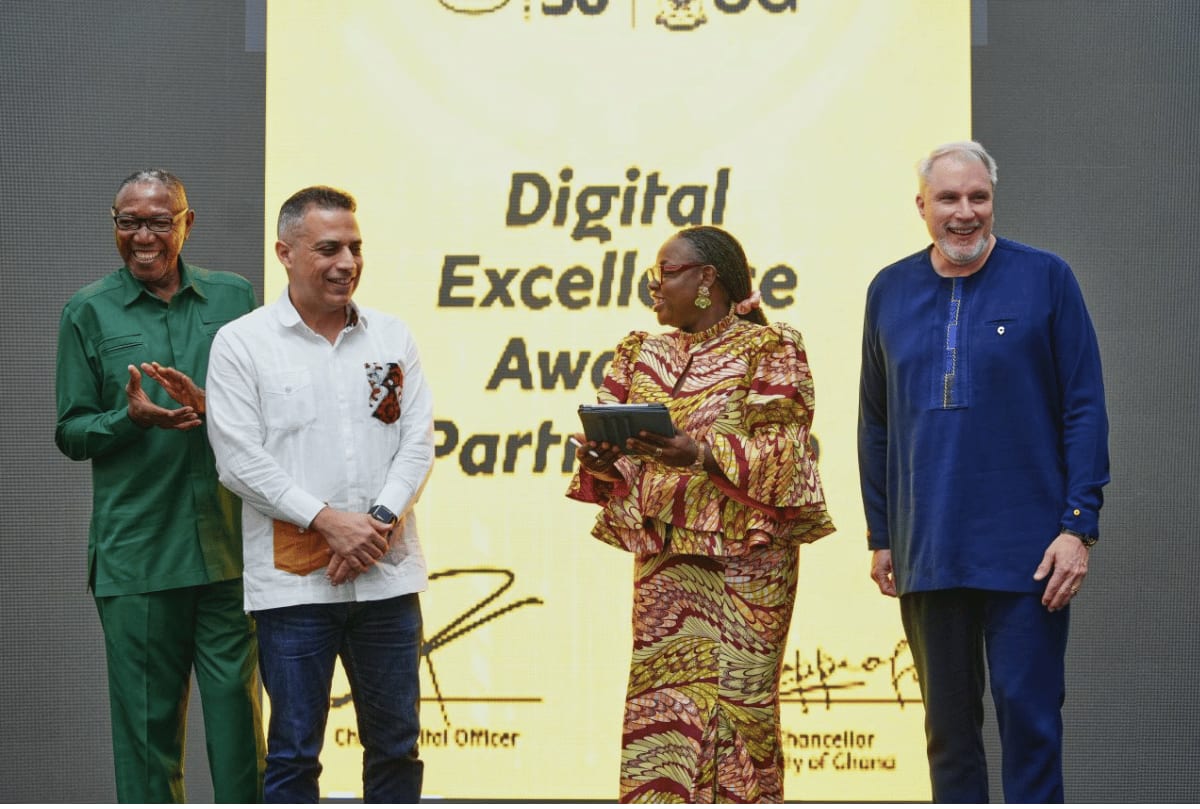
Minister for Communications Samuel Nartey George announced the breakthrough on Monday at the Government Accountability Series in Accra. His team sat down with executives from Ghana's major telecom operators and secured deals that are putting real money back in people's pockets.
The numbers tell an impressive story. MTN boosted data volumes on its mobile bundles by 15%, while Airtel and Telecel increased theirs by 10%. Every cedi Ghanaians spend on mobile data now stretches significantly further than it did a year ago.
But the mobile savings were just the beginning. The government pushed for even bigger changes in home internet pricing, where costs had remained stubbornly high for years.
MTN slashed its fiber broadband prices by a stunning 70%. The company's premium 800 Mbps unlimited package dropped from 987 cedis to just 299 cedis per month. That's a savings of nearly 600 cedis, or about $50, every single month for families and small businesses.
The company also introduced new mid-tier options at 300 Mbps and 500 Mbps, giving households flexibility to choose speeds that match their needs and budgets. Telecel followed with its own price cuts on fixed data packages earlier this year.
George emphasized that his ministry has shifted its approach to represent consumers rather than just facilitate operators. "This is a return of a ministry that understands this industry from the inside and negotiates on behalf of the Ghanaian customer," he explained.
The minister acknowledged that affordability is only part of the solution. Network quality and coverage gaps remain real challenges for many users, particularly in rural areas. He attributed these infrastructure issues to nearly a decade of policies that failed to keep pace as Ghana shifted from a voice-driven market to a data-driven economy.
The Ripple Effect
Affordable internet access unlocks opportunities that ripple through entire communities. Students can access online learning resources without burning through expensive data. Small business owners can connect with customers and suppliers digitally. Families can video call loved ones working abroad without worrying about crushing bills.
The savings also free up household budgets for other essentials. When a family saves 600 cedis monthly on internet, that money can go toward school fees, healthcare, or building emergency savings.
The government is now working through regulators to address the network quality issues, focusing on expanding 4G coverage to rural areas where connectivity remains limited. George stressed that Ghana's digital ambitions depend entirely on reliable, affordable connectivity reaching everyone.
The changes prove that when governments advocate directly for consumers, meaningful progress is possible.
Based on reporting by Myjoyonline Ghana
This story was written by BrightWire based on verified news reports.
Spread the positivity!
Share this good news with someone who needs it