Ghana Slashes Inflation to 3.8% After Economic Turnaround
Ghana is set to exit its IMF program by April 2026 after slashing inflation from 23.4% to 3.8% in just over a year. The West African nation's currency also jumped 32% to become one of the world's five best-performing currencies in 2025.
Ghana is proving that economic turnarounds are possible when countries commit to serious reform and smart debt management.
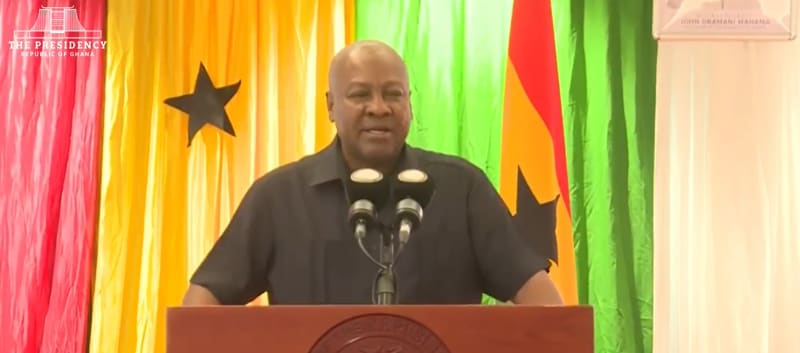
President John Dramani Mahama announced at a business dialogue in Zambia that Ghana will exit its International Monetary Fund program by April 2026. The announcement comes after remarkable improvements across nearly every economic indicator.
The numbers tell a powerful story. Inflation plummeted from over 23.4% at the end of 2024 to just 3.8% in January 2026. That's not a small adjustment. That's a complete reversal that puts money back in ordinary people's pockets.
The Ghanaian cedi, which had been sliding for years, appreciated by 32% to rank among the world's five best-performing currencies in 2025. Foreign reserves are strengthening, and investor confidence is returning as the government follows through on promised reforms.
President Mahama emphasized that Ghana renegotiated its debt obligations in ways that protect national sovereignty while ensuring long-term sustainability. "We have restructured our debt to invest in people, not just to service loans," he said.
Ghana's recovery plan focuses on five strategic areas: industrialization and adding value to raw materials, export-led growth, modern infrastructure, support for small businesses and entrepreneurs, and creating a predictable business environment. These aren't just buzzwords. They're backed by measurable progress.
The Ripple Effect
Ghana's economic success matters beyond its own borders. As one of West Africa's largest economies stabilizes, it boosts confidence across the entire region and creates opportunities for increased trade and investment.
The recovery demonstrates that African nations can negotiate with international financial institutions as partners rather than supplicants. President Mahama stressed this point, noting Ghana is exiting the program "with dignity."
Ghana is now exploring partnerships under the African Continental Free Trade Area, particularly with countries like Zambia in mining, agriculture, energy, and manufacturing. These relationships could create joint ventures that keep more value on the continent.
The government aims to build foreign reserves beyond $20 billion by 2029, providing even more economic cushion. Meanwhile, new funding models are being explored to reduce raw cocoa bean exports and process more products locally, creating jobs and capturing more value from Ghana's resources.
Ghana's turnaround shows that with sustained fiscal discipline, strategic planning, and commitment to reform, countries can break cycles of debt and inflation that seemed impossible to escape.
Based on reporting by Myjoyonline Ghana
This story was written by BrightWire based on verified news reports.
Spread the positivity!
Share this good news with someone who needs it