Ghana Startup Turns Crop Waste Into Smokeless Charcoal
A Ghanaian company is transforming coconut husks and corn cobs into clean-burning charcoal that saves trees and clears kitchen air. Bidigreen Ghana processes three tonnes of agricultural waste daily, offering families a healthier cooking alternative.
In a small Ghanaian community, two neighbors cook dinner just houses apart, but their kitchens tell very different stories about the future.
Cecilia Ayamdao crouches over her charcoal pot as smoke stings her eyes and tightens her chest. She worries about the trees being cut down and the air her children breathe, but traditional charcoal is all she can afford.
A few doors down, Aisha Ayaaba lights her stove without a single wisp of smoke curling into the air. Four months ago, her kitchen looked just like Cecilia's.
The difference? Aisha now uses clean charcoal made entirely from agricultural waste.
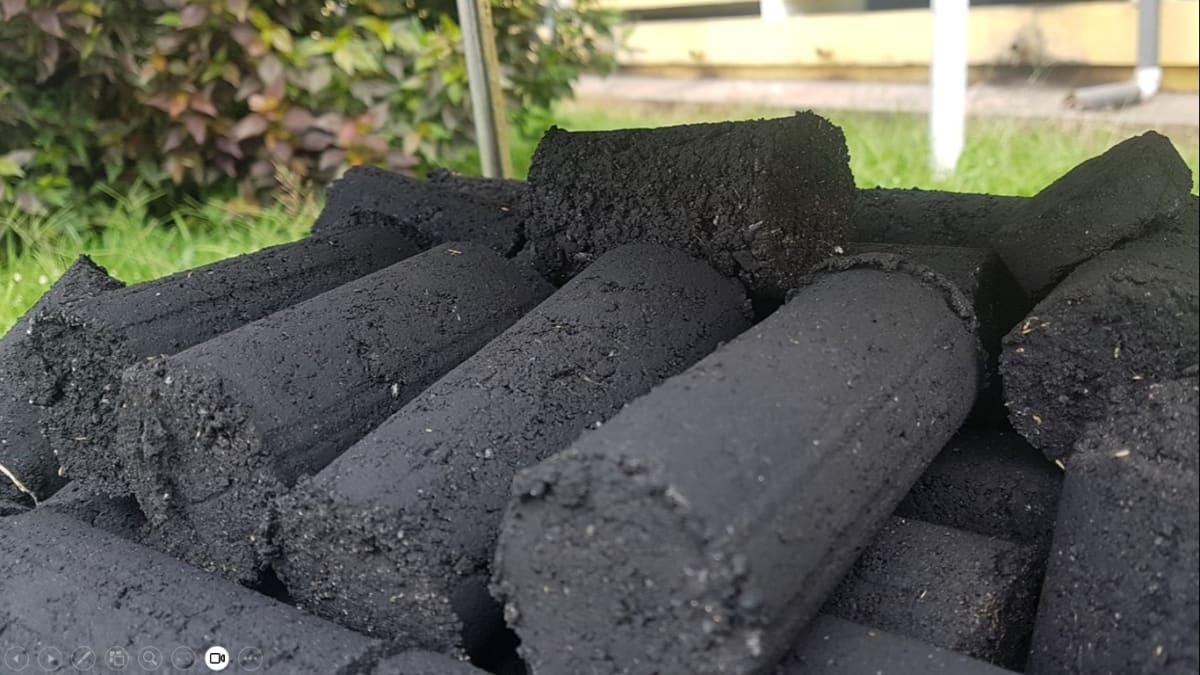
Bidigreen Ghana Limited is turning the country's cooking crisis into climate action. The startup collects coconut husks, corn cobs, palm kernel shells, and sawdust that would otherwise be burned or dumped, then transforms them into smokeless charcoal briquettes.
"This waste would have been burned, releasing harmful gases into the air," says co-founder Eunice Mawuena Kloe. "Instead, we turn it into something useful."
The numbers tell a powerful story. In Ghana, 76 percent of households still cook with firewood or traditional charcoal, contributing significantly to both deforestation and greenhouse gas emissions. Bidigreen now processes three tonnes of waste daily and produces up to 25 tonnes of clean charcoal monthly.
The health benefits hit home immediately. Mothers who once cooked with babies strapped to their backs, both breathing toxic smoke, can now prepare meals in clear air. The clean charcoal can even be used safely indoors.
The economics work too. While Bidigreen's charcoal costs about 200 cedis per bag compared to 100-150 cedis for traditional charcoal, it burns three times longer. Families actually save money while protecting their lungs and the forests.
The Ripple Effect
Every bag of clean charcoal Bidigreen produces tackles multiple crises at once. Trees stay standing, pulling carbon dioxide from the atmosphere. Agricultural waste finds purpose instead of rotting and releasing methane. Kitchen air clears, protecting women's and children's respiratory health.
Dr. Gifty Serwah Mensah from the University of Energy and Natural Resources puts it plainly: "This is not just about cooking, it is climate action."
The company faces real challenges. Production machinery must be imported, and breakdowns slow operations. Distribution networks need expansion to reach more communities like Yaw Nkrumah, where Cecilia still cooks in smoke while Aisha breathes easy.
But demand keeps growing. Food vendors, restaurants, and households are making the switch as word spreads about charcoal that cooks just as well without the health costs.
Head of production Emmanuel Obeng-Frimpong sees the transformation clearly after nearly five years of operation. "We are dealing with two key issues: the cutting down of trees for charcoal and the problem of waste from farms and homes."
The solution connects them both, turning yesterday's problem into today's clean energy and tomorrow's standing forests.
Based on reporting by Myjoyonline Ghana
This story was written by BrightWire based on verified news reports.
Spread the positivity!
Share this good news with someone who needs it