Ghana Students Launch Anti-Drug Clubs in 2 High Schools
Student-led drug prevention clubs are now active in two Ghana high schools, empowering teens to tackle substance abuse before it starts. The initiative comes as new data shows girls ages 10-15 now match boys in smoking and drinking rates.
Students at two high schools in Ghana's Ahafo Region are becoming the front line in fighting teen drug abuse, leading their own prevention clubs launched this week.
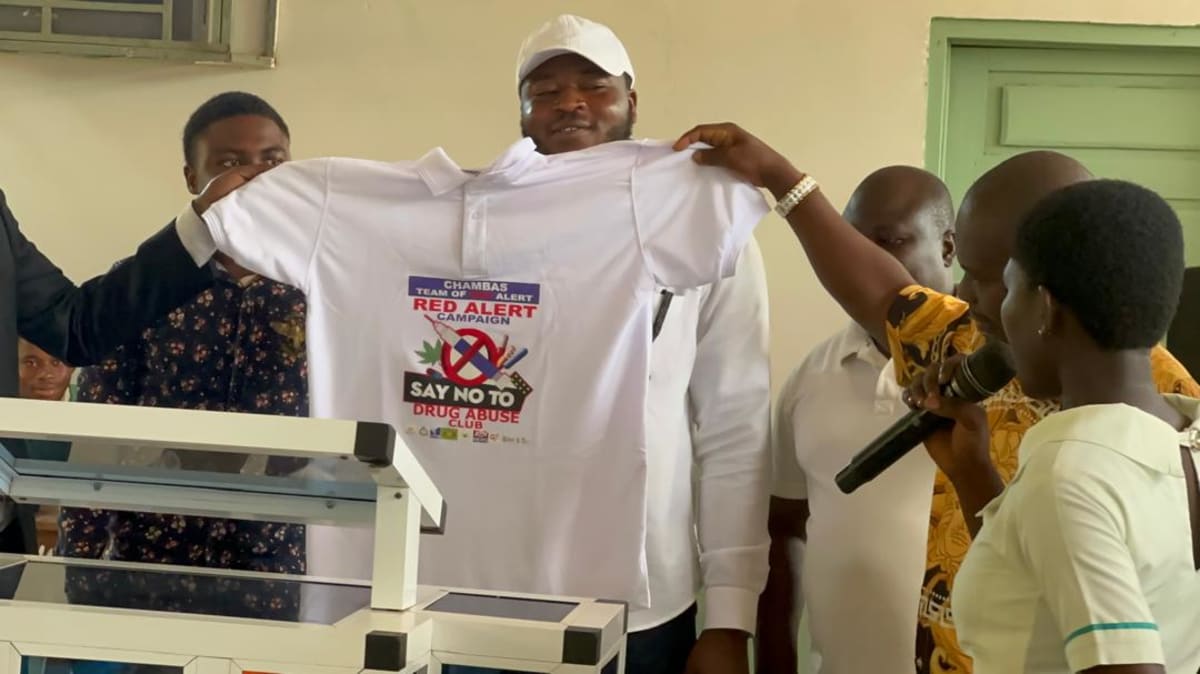
The Drug Abuse Prevention Clubs launched Monday and Tuesday at Goaso Ahafoman Senior High and Technical School and Mim Senior High School. The Chambas Team of Red Alert partnered with Ghana's Narcotics Control Commission to put students in charge of educating their peers about substance risks.
"We are committed to remaining campaigners and educating our peers on the real dangers of drug and substance abuse," said Alfred Nyame Aseda, a member of the new Mim club. His enthusiasm reflects what organizers hope will spread nationwide.
The timing matters. World Health Organization data shows substance use disorders in adults almost always begin during early adolescence. Teens who try illegal drugs before age 15 face 6.5 times higher odds of developing chronic addiction later in life.
Kamal-Deen Abdulai Ibn Chambas, the initiative's convener, said the clubs will create "champions who will lead the fight against drug abuse not just in their schools, but within their communities and the nation at large." The student-led platforms focus on education, mentorship, and leadership training.
Regional Narcotics Commander Kofi Boateng highlighted what teens face today: alcohol, cannabis, tobacco, and rising e-cigarette use. But one trend alarmed him most.
The gender gap in teen substance use is closing fast. By age 15, girls in several regions now equal or surpass boys in smoking and alcohol consumption, according to recent WHO data. In 2021 alone, 10.1 million adolescents worldwide suffered from substance use disorders.
The Ripple Effect
What starts in two schools could transform how Ghana addresses teen drug abuse. The student-led model means young people speak to peers in their own language, without adult lectures. When teens lead prevention efforts, they reach classmates who might tune out traditional warnings.
Peter Amole, regional team leader, called on local stakeholders for increased funding and support to expand the program. The goal is reaching every high school in Ghana with student champions ready to change their generation's relationship with drugs.
These clubs prove prevention works best when young people own the mission themselves.
Based on reporting by Myjoyonline Ghana
This story was written by BrightWire based on verified news reports.
Spread the positivity!
Share this good news with someone who needs it