Ghana Study: 49 Restaurants Could Feed 5,000 for 3 Weeks
Food waste from just 49 restaurants in Ghana's Ashanti Region could feed 5,000 people for three weeks, revealing how surplus food could help tackle hunger. Researchers are spotlighting restaurant practices as part of a nationwide effort to rescue edible food.
The leftovers from fewer than 50 restaurants contain enough nutrition to sustain thousands of people, according to new research from Ghana that's changing how the nation views food waste.
Dr. Joycelyn Quansah, a food scientist at the University of Ghana, shared eye-opening findings during Joy FM's Sustainability Month discussions. Her team discovered that waste from 49 restaurants in the Ashanti Region alone could provide three weeks of meals for 5,000 people.
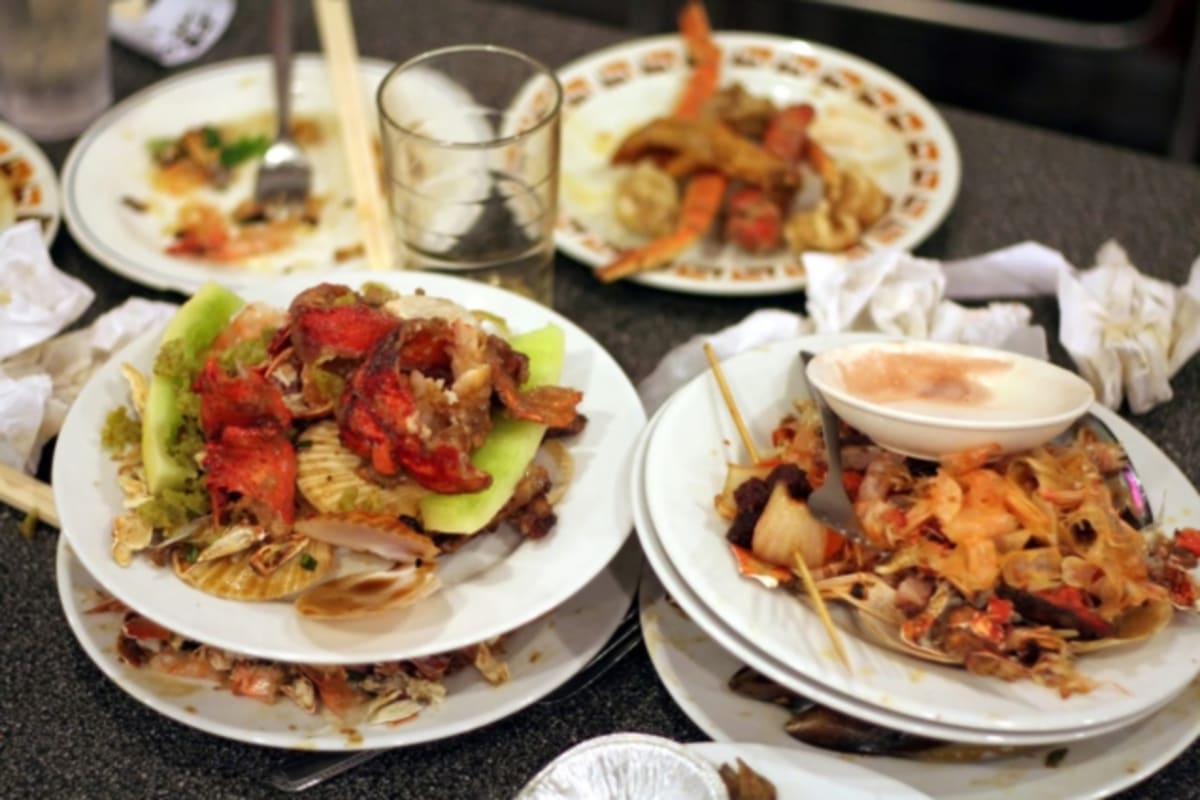
The problem starts with good intentions. Restaurants prepare extra food to ensure customers never wait long for their orders. But when fewer diners show up than expected, perfectly good meals end up in the trash.
Portion sizes add another layer to the challenge. Standard restaurant servings often exceed what people typically eat at home. Customers might request a plate of rice or banku but can only finish part of it, leaving food that's still perfectly edible but can't be served to another guest.
Dr. Quansah explained that this waste happens even though the leftover food remains safe to eat. Unlike at home where you might save extras for later or share with family, restaurants must discard what customers leave behind.
The waste extends far beyond restaurant kitchens. Between 30% and 40% of food reaching Ghana's markets gets thrown away before anyone can eat it. Fruits and vegetables suffer the highest losses, while grains and cereals fare better.
The Ripple Effect
The numbers take on deeper meaning when measured against Ghana's food security challenges. If a quarter of the country's food supply goes to waste while people struggle with hunger daily, the missed opportunity becomes staggering.
This research is sparking conversations about practical solutions. Restaurants could offer flexible portion sizes or partner with food rescue organizations. Markets might improve storage and handling to reduce spoilage. Even small changes at multiple points in the food chain could redirect thousands of meals to people who need them.
Dr. Quansah's work during Joy Sustainability Month highlights how awareness marks the first step toward change. Understanding where food gets lost helps communities design systems to capture it before it becomes waste.
Ghana's findings mirror a global challenge, but they also illuminate a path forward where rescued food becomes a resource rather than trash.
Based on reporting by Myjoyonline Ghana
This story was written by BrightWire based on verified news reports.
Spread the positivity!
Share this good news with someone who needs it