Ghana Tech Firm Shows Smart Path Forward on AI
A Ghanaian company stopped trying to build AI from scratch and found a smarter way forward. Their approach could help the whole country win big without betting everything.
When your phone bill needs paying or money needs sending, millions of Ghanaians turn to Hubtel. Now the tech company is showing the country how to make AI work without breaking the bank.
Ghana just launched a ten-year AI strategy backed by $270 million. But Hubtel's story offers a lesson in starting smart, not big.
In 2023, Hubtel opened an AI lab and hired talented Ghanaian engineers to build everything from scratch. They created systems that caught power thieves for the Electricity Company of Ghana and built fraud detection tools that actually worked.
Then reality hit. By 2025, global AI companies were selling more powerful tools for about $20 a month.
Hubtel made a bold call. Instead of competing with tech giants, they would rent the engine and own the fuel.
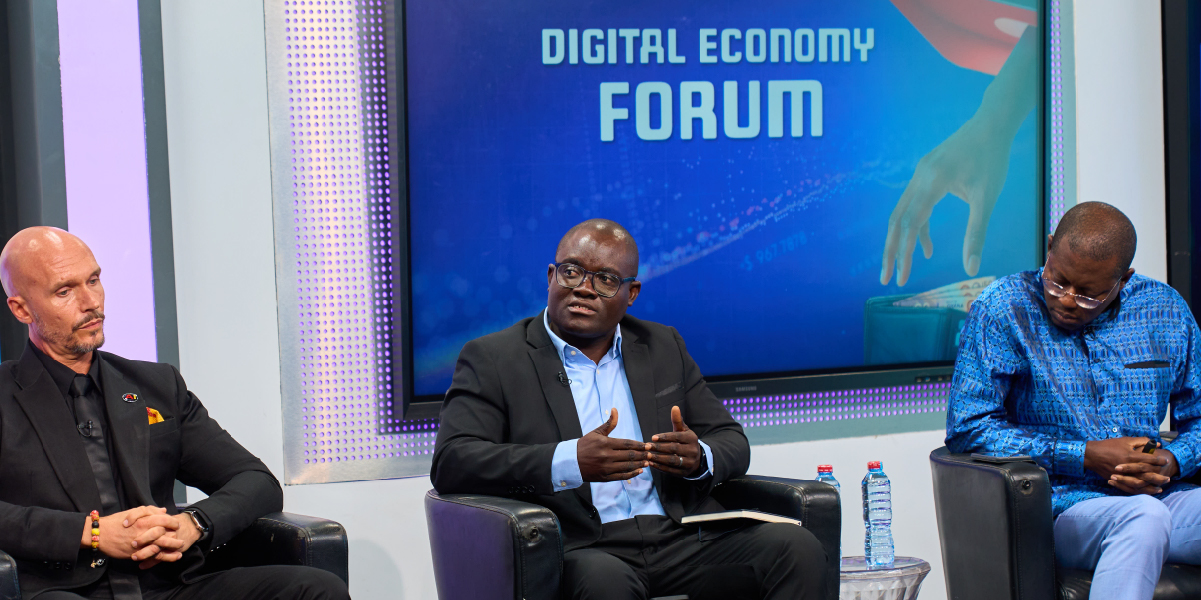
"Own what you can before you scale," said Augustine Adjei, Hubtel's Head of Engineering, speaking at the company's Digital Economy Forum. The forum brings together government leaders, businesses, and everyday Ghanaians to tackle big tech questions in public.
Hubtel negotiated directly with leading AI companies to run their tools inside Hubtel's own systems. The catch? Hubtel keeps complete ownership of all customer data, and providers promised never to use it for training.
The results show in Hubtel's virtual call center. Because millions of Ghanaians use the platform daily, the phones ring constantly. Now an AI agent answers first, checking order status instantly using data Hubtel already owns.
It works because it speaks with a Ghanaian accent, understands local needs, and runs on Ghanaian information. When Hubtel tested a free AI model and asked about the company, it said Hubtel was based in Kigali. AI only knows what you teach it.
Adjei compared the problem to cooking. "Would you want an Italian chef to cook your fufu and light soup, or an equally competent Ghanaian chef who has lived here all their life?" The answer is obvious, but training takes time and resources.
"Talent is equally distributed; resources are not," he explained. Ghana has never lacked brains, just the hundreds of millions global firms spend on AI development.
Communications Minister Sam George backed Hubtel's approach, announcing a national data exchange hub to connect 48 public registries. Instead of companies making 48 separate requests for information, they make one.
Even Bright Simmons of Imani Africa, known for criticizing government spending, praised Hubtel's order of operations: use proven global tools first, build local second.
The Ripple Effect
Hubtel's path forward matters beyond one company. By proving Ghanaian firms can negotiate with global AI providers as equals, they opened doors for others to follow.
Their message echoes across sectors: you don't need to build everything to benefit from everything. Own your data, understand your problems clearly, and rent the intelligence until you can afford to build your own.
"AI is not a thing, it is us," Adjei said. "There is no AI without humans."
For the trader in Makola checking prices and the graduate in Kumasi searching for work, that human-centered approach might make all the difference between opportunity and disruption.
Based on reporting by Myjoyonline Ghana
This story was written by BrightWire based on verified news reports.
Building Something New? Try the BrightWire Tech Stack Advisor
Compare modern frameworks, cloud hosting, and AI tools tailored to your project budget and scale.
Spread the positivity!
Share this good news with someone who needs it