Ghana to End Raw Mineral Exports by 2030
Ghana's president has announced an ambitious plan to stop exporting unprocessed minerals and cocoa by 2030, keeping all refining and processing within the country. The move aims to create thousands of jobs and build a stronger economy by adding value to natural resources before they leave the country.
Ghana is about to transform how it uses its natural wealth, and the implications could reshape opportunities for millions of people.
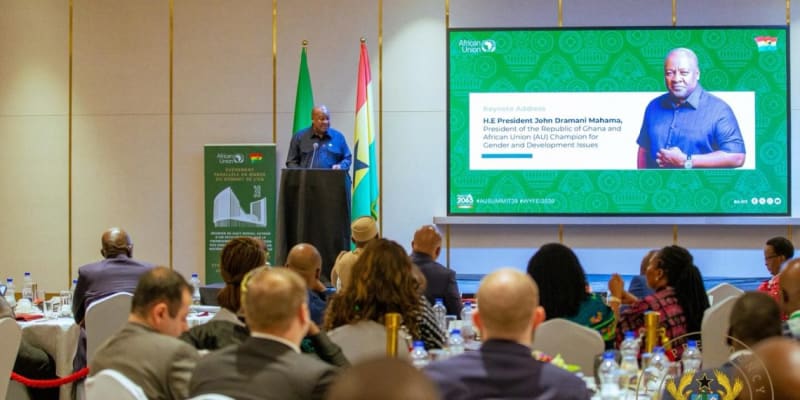
President John Mahama announced at a major African conference that Ghana will completely stop exporting raw minerals by 2030. No more shipping out unprocessed bauxite, manganese, iron ore, or gold.
Instead, the country plans to build up its local refining and processing capacity to handle everything domestically. "That is the only way we can provide opportunities for our people," Mahama told the audience in Addis Ababa.
The policy represents a dramatic shift from decades of selling raw materials to other countries, then watching those same resources come back as expensive finished products. Ghana currently has the capacity to process 400,000 tonnes of cocoa beans annually, but most get shipped overseas instead.
The reason is financial. Much of Ghana's cocoa production has been used as collateral for foreign loans, making it unavailable for local processors.
Mahama's government is changing that system. They're moving away from foreign-backed financing and using domestic bonds instead, which will free up cocoa beans for local factories.
The cocoa sector faces serious challenges right now, including financing problems and supply constraints. Before traveling to Ethiopia, Mahama held an emergency meeting to address these issues and lay groundwork for the new approach.
The Ripple Effect
This policy extends far beyond cocoa. Gold, bauxite, manganese, and iron ore will all stay in Ghana for processing, creating manufacturing jobs that didn't exist before.
The economic multiplier effect could be significant. Processing minerals locally means building factories, training workers, creating management positions, and developing entire supply chains around these industries.
Ghana's currency, the cedi, stands to benefit too. When raw materials leave and finished products return, countries lose money on both ends of the transaction. Processing locally keeps more value inside the economy.
The plan also addresses unemployment, which has pushed many young Ghanaians to seek opportunities abroad. Manufacturing jobs in mineral processing could provide alternatives that keep talent and ambition working for Ghana's future.
Other African nations are watching closely. If Ghana succeeds, it could provide a roadmap for resource-rich countries trying to break cycles of exporting wealth and importing prosperity.
Six years might seem like a long timeline, but building processing infrastructure from scratch takes time, money, and expertise. The government is betting that setting a clear deadline will focus efforts and attract the investment needed to make it happen.
Ghana is choosing to bet on itself, and the payoff could mean a fundamentally different future for the next generation.
Based on reporting by Myjoyonline Ghana
This story was written by BrightWire based on verified news reports.
Spread the positivity!
Share this good news with someone who needs it