Ghana Trains 2,000 Youth in Paid Apprenticeships
Ghana's National Apprenticeship Programme is equipping 2,000 young people with vocational skills, covering full training costs and providing modern tools to both students and master craftspeople. The government pays training fees directly to trainers through the Bank of Ghana, ensuring transparency and eliminating corruption risks.
Thousands of young Ghanaians are getting a real shot at learning trades that can change their lives, and the government is picking up the tab.
Ghana's National Apprenticeship Programme is targeting 2,000 apprentices in the Ashanti Region alone, connecting them with 400 master craftspeople across various districts. The pilot phase is already underway, with equipment being distributed to the first wave of participants.
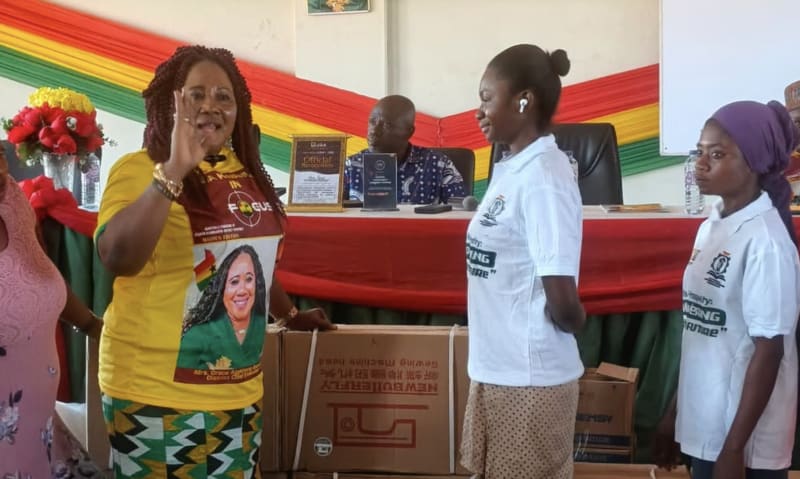
Patrick Opoku Fofie, the program's regional coordinator, explained how it works during a recent equipment handout in the Atwima Kwanwoma District. Each master craftsperson receives five apprentices, and both get modern working tools to start their training journey.
The financial structure sets this program apart from typical job training initiatives. The government pays the full training fees directly to master craftspeople based on how many apprentices they take on. All payments flow straight through the Bank of Ghana into business accounts, cutting out middlemen entirely.
"We do not handle the funds ourselves," Fofie stressed. "We validate the list, and payments go straight to the beneficiaries."
In Atwima Kwanwoma District, six master craftspeople are now training 30 apprentices. The program had to adjust from ten masters per district to six in some areas due to initial delays, but coordinators say this flexibility keeps momentum going.
The Ripple Effect
The program's careful design means it could create lasting change across Ghana's economy. Upon completion, apprentices receive official certificates while training facilities get accredited under the program. This creates a formal pathway for young people who might otherwise struggle to access quality vocational education.
The contractual framework holds master craftspeople accountable for actually delivering the training. This structure helps ensure the program builds skills that translate into real jobs, not just short-term fixes.
District Chief Executive Grace Agyemang Asamoah urged young participants to make the most of this opportunity. She emphasized that the government's investment deserves dedication and hard work in return. "Take your training seriously to become self-reliant and financially independent," she told beneficiaries.
The pilot phase has taken several months to implement carefully, showing commitment to building something that lasts. Once fully scaled across the region, program leaders expect to equip at least 2,000 young people with practical skills and genuine work experience.
For young Ghanaians looking at limited job prospects, this program opens doors that might have stayed closed, one trained craftsperson at a time.
Based on reporting by Myjoyonline Ghana
This story was written by BrightWire based on verified news reports.
Spread the positivity!
Share this good news with someone who needs it