Ghana Trains 240 Civil Servants in AI for Digital Future
Ghana is turning its 10-year AI strategy into action, starting with 240 civil servants now trained in artificial intelligence literacy. The West African nation is building the skills today that will power its digital economy tomorrow.
Ghana just took a major step toward shaping its digital future by training 240 civil servants in artificial intelligence literacy as part of its newly launched National AI Strategy.
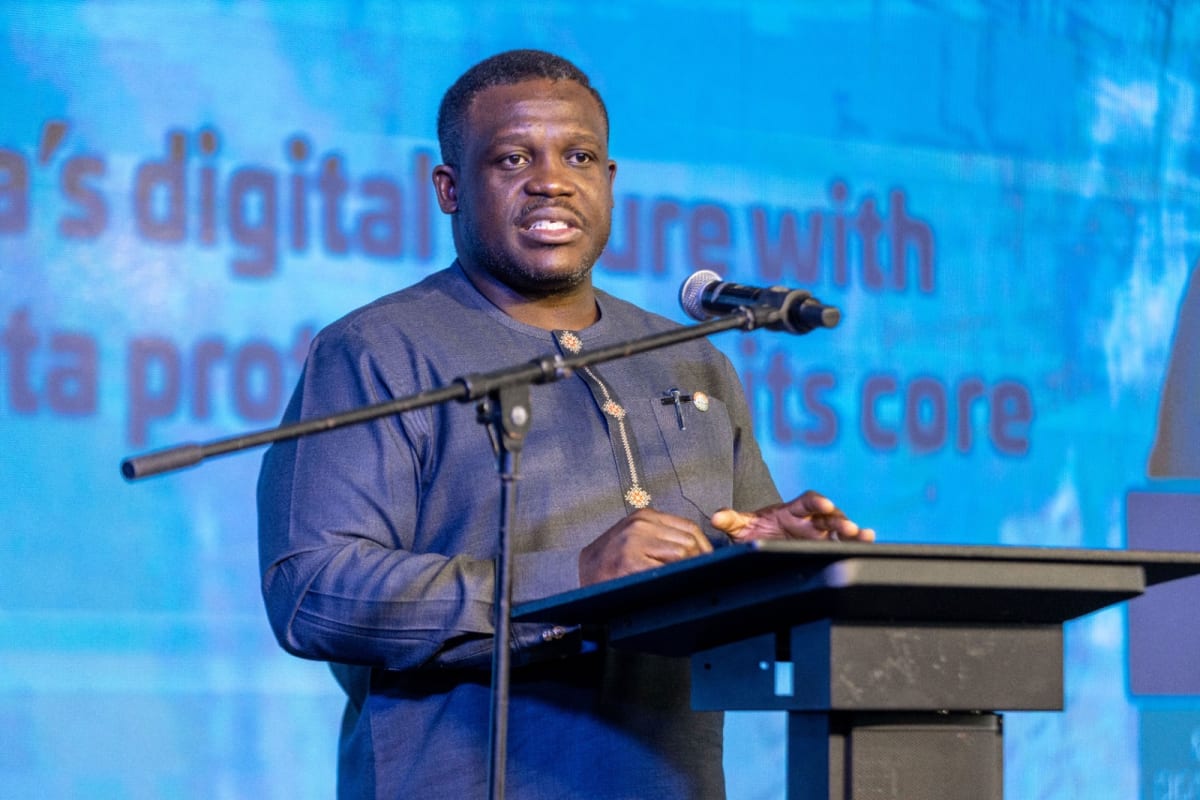
The training program kicked off in September 2026, marking the beginning of Ghana's ambitious 10-year plan to harness AI for national development. Minister of Communication, Digital Technology and Innovations Samuel Nartey George announced the milestone at the Government Accountability Series in Accra.
The capacity building program aims to equip public service workers with the knowledge they need to use AI responsibly and effectively in their daily work. By starting with government employees, Ghana is ensuring that AI adoption happens thoughtfully across public institutions.
But the country isn't just focusing on today's workforce. In August, the Ministry partnered with the National Communications Authority, Ghana International School, and Makers Place to host a five-day AI robotics summer camp for 100 elementary school students.
The summer camp made a special effort to include girls, with 40 percent of participants being female. This focus on gender balance shows Ghana's commitment to ensuring women have equal opportunities in science, technology, and emerging digital fields.
Ghana's Cabinet approved the National AI Strategy in April 2026 after developing it with support from international partners including GIZ Fair Forward, the British High Commission, KNUST Responsible AI Lab, UNDP, and UNESCO. The strategy is built around eight strategic pillars designed to guide the country through 2035.
The AI push is part of Ghana's broader digital transformation agenda, which includes the One Million Coders programme. As of August 2026, that program had registered nearly 142,000 accounts, with almost 30,000 learners actively studying and close to 6,000 course completions.
The Ripple Effect
Ghana's approach shows how developing nations can proactively prepare for the AI revolution rather than just reacting to it. By training government workers first, the country is building institutional knowledge that will guide policy and public services for years to come.
The focus on early education through robotics camps means a generation of Ghanaian students will grow up comfortable with AI technology. These kids will enter the workforce ready to create solutions tailored to African contexts and challenges.
Minister George emphasized that Ghana's goal isn't just to consume emerging technologies but to develop the human capacity and systems needed to participate meaningfully in the digital economy. The country published an AI readiness assessment with UNESCO and the European Union in June to measure its progress.
Ghana is proving that with strategic planning and investment in people, countries can position themselves as participants in the global AI economy, not just spectators.
More Images

Based on reporting by Google News - Ghana Development
This story was written by BrightWire based on verified news reports.
Spread the positivity!
Share this good news with someone who needs it