Ghana Trains 30 Journalists on Life-Saving Suicide Reports
Thirty journalists in Ghana learned how to report on suicide in ways that prevent copycat deaths and reduce stigma. The World Health Organization and mental health experts are transforming how media covers suicide to save lives.
When journalists write about suicide, their words can either save lives or unintentionally put more people at risk.
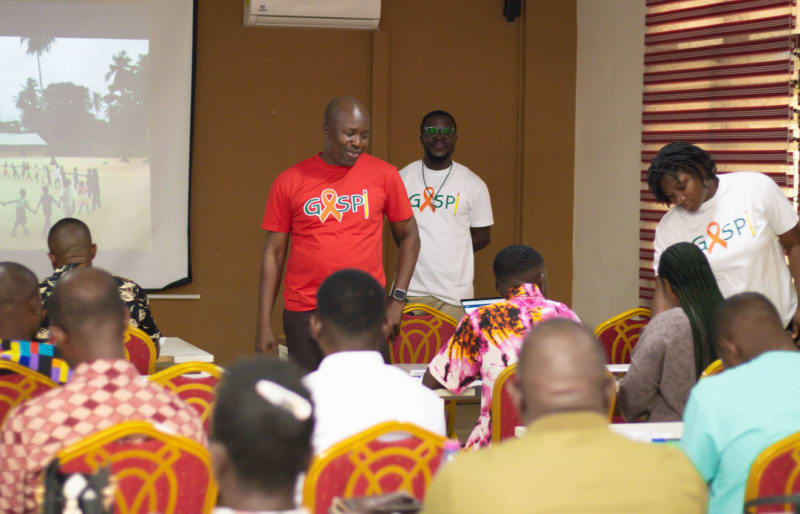
That's why the Association for Suicide Prevention Ghana (GASP) partnered with the World Health Organization to train 30 journalists in Kumasi on responsible suicide reporting. The workshop brought together media practitioners from four regions to learn guidelines that protect vulnerable readers while still covering this important issue.
Professor Emmanuel Nii-Boye Quarshie, who leads the project and serves as GASP president, explained that media shapes how people think and act. Young adults, children, and people with mental health conditions are especially influenced by what they see and read in the news.
The training taught journalists to avoid sensationalism and instead include mental health expert comments and helplines in every suicide-related story. Reporters learned new terminology that respects survivors' privacy and prevents copycat incidents.
One key change: journalists should stop saying someone "committed suicide" since attempting suicide is no longer a crime in Ghana. The language shift matters because it reduces stigma around mental health struggles.
The workshop also urged movie producers and content creators to consider how their work affects young audiences' mental health. What we watch and consume shapes how we think about difficult topics like suicide.
The Ripple Effect
This training represents the second in a series designed to transform Ghana's media landscape. GASP, launched in 2022, provides culturally sensitive suicide prevention services and has backing from three Members of Parliament and leading psychology professors.
By teaching 30 journalists better reporting practices, the impact extends far beyond those individuals. Each trained reporter will write dozens of stories reaching thousands of readers. When media covers suicide responsibly, it creates a supportive environment that encourages people to seek help instead of feeling alone.
The collaboration between WHO and GASP aims to build a media environment that actively saves lives. Every article that includes a helpline, every story that reduces stigma, and every headline that avoids sensationalism makes a difference.
Ghana's mental health stigma remains widespread, but this training shows how practical education can shift entire systems. When journalists understand their power to help or harm, they become partners in prevention.
This second workshop proves the concept is growing, with plans to reach more media practitioners across Ghana and create lasting change in how suicide is discussed publicly.
Based on reporting by Myjoyonline Ghana
This story was written by BrightWire based on verified news reports.
Spread the positivity!
Share this good news with someone who needs it