Ghana University Chief Pushes for African AI Languages
The University of Ghana's Vice-Chancellor delivered a powerful call to include African languages in artificial intelligence development, arguing that linguistic diversity should strengthen technology, not be left behind. Her vision could reshape how AI serves billions worldwide.
What if the artificial intelligence shaping our future simply couldn't understand most of the world's languages or cultures?
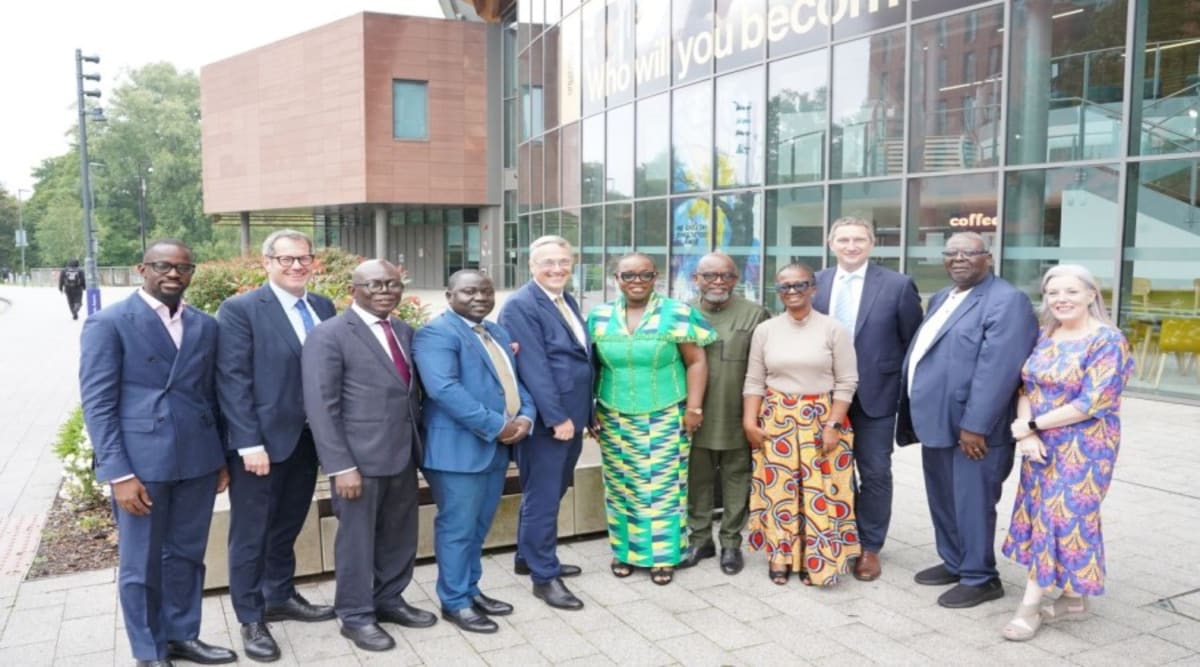
Prof. Nana Aba Appiah Amfo, Vice-Chancellor of the University of Ghana, stood before an international audience at the University of Warwick to challenge exactly that problem. In her Distinguished Africa Lecture 2026, she presented a compelling case for weaving African languages and indigenous knowledge into the fabric of AI development.
Her message centered on a simple but urgent question: whose language counts? Right now, most AI platforms prioritize a handful of global languages, leaving Africa's rich linguistic landscape largely invisible to the technology revolutionizing daily life.
Prof. Amfo drew on Ghana's multilingual environment to illustrate what's at stake. Language isn't just words on a screen but carries emotional expression, social connections, and generations of indigenous wisdom that can't be translated or discarded without loss.
She reframed the entire conversation by arguing that Africa's linguistic diversity represents a strategic asset, not an obstacle. When AI learns from more languages and cultural contexts, it becomes smarter and more useful for everyone, not just speakers of dominant languages.
The lecture arrives as conversations about digital inclusion and knowledge equity gain momentum across tech policy circles. African nations are increasingly asserting their voices in shaping how emerging technologies develop and deploy.
The Ripple Effect
Prof. Amfo's vision extends far beyond technical improvements to AI systems. When technology reflects the linguistic and cultural contexts of the societies it serves, it can actually preserve endangered languages and knowledge systems facing extinction.
Young Africans growing up with AI assistants that speak their home languages could maintain stronger connections to their heritage while fully participating in the digital economy. Communities could access health information, education, and economic opportunities in the languages they think and dream in.
The University of Ghana noted that the address contributes to global debates on ensuring AI development serves humanity broadly, not just those who happen to speak the right languages. Other African universities and tech hubs are joining similar efforts to build more inclusive AI.
As AI becomes embedded in everything from healthcare to education to commerce, the stakes for language inclusion only grow higher. Prof. Amfo's work helps ensure that technological progress doesn't leave entire continents speaking to systems that can't hear them.
Ghana is showing the world that the future of artificial intelligence must be built with voices from every corner of the globe.
Based on reporting by Google News - Ghana Development
This story was written by BrightWire based on verified news reports.
Spread the positivity!
Share this good news with someone who needs it