Ghana University Trains 84 Students in Green Farming
Students at Bolgatanga Technical University learned cutting-edge sustainable farming techniques that can slash fertilizer costs by 60% while boosting crop yields. The EU-funded program is equipping Ghana's next generation of farmers with climate-smart skills for better livelihoods.
Eighty-four students just got a crash course in farming methods that could transform Ghana's agricultural future while protecting the planet.
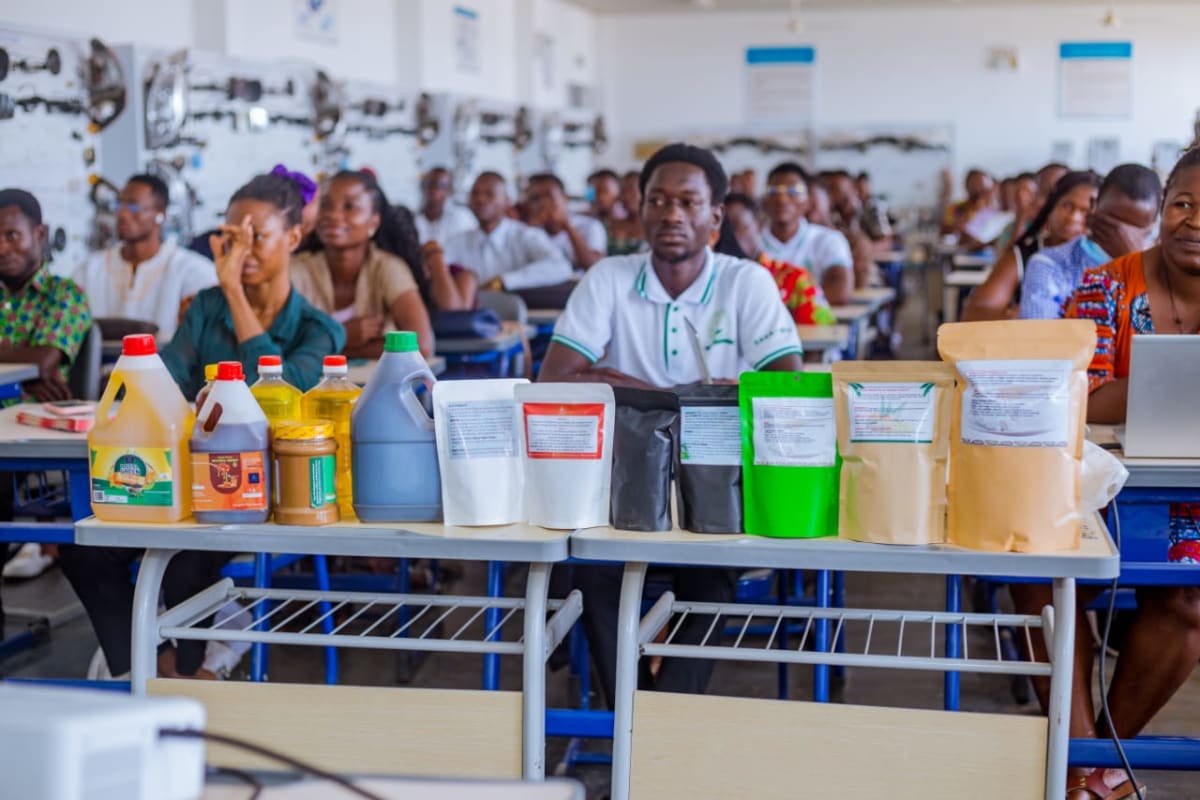
Bolgatanga Technical University hosted a groundbreaking seminar on sustainable agriculture and agribusiness in early April, bringing together students, professors, and industry leaders. The European Union funded the event through its Support Tertiary Education for Sustainable Employability initiative, with technical backing from the United Nations Capital Development Fund.
The seminar delivered practical solutions students can use immediately. Maxwell Akandem, CEO of Akandem Farms, showed how simple techniques like composting, crop rotation, and biochar can restore damaged soils and dramatically cut costs. Farmers using these methods can reduce fertilizer expenses by up to 60% while actually improving both soil health and harvests.
Water conservation took center stage too. Akandem demonstrated low-cost drip irrigation and mulching strategies that help farmers adapt to unpredictable rainfall patterns. These techniques increase yields and incomes even as climate conditions become more challenging.
For pest control, students learned about integrated pest management using natural solutions like neem extracts and chili-garlic sprays. These approaches reduce health risks compared to chemical pesticides while producing safer food for consumers.
Matthew Akayeti from Heights Food Processing emphasized connecting sustainable farming with innovative food processing. His message: growing food responsibly is only half the equation. Processing it sustainably creates market-ready products that meet modern consumer demand.
The Ripple Effect
This training reaches far beyond one classroom. BTU is building an Integrated Digital Skills and Employability Hub to teach students artificial intelligence, data analytics, and other high-demand tech skills through platforms like IBM SkillsBuild. The university plans job fairs, field trips, and internships to give students real-world experience before graduation.
Students explored business opportunities in organic vegetable production, compost creation, and seed multiplication. The seminar highlighted partnership opportunities that bridge the gap between classroom theory and actual farming practice. These connections help graduates enter Ghana's agricultural sector with confidence and practical knowledge.
Seven faculty members joined the students, ensuring the sustainable farming knowledge spreads throughout the university's teaching programs. Millicent Puruseh, Senior Assistant Guidance and Counselling Coordinator, confirmed BTU is strengthening industry ties to better prepare students for modern agricultural careers.
The initiative targets both green and digital sectors, recognizing that tomorrow's farmers need tech savvy alongside traditional agricultural wisdom. Ghana's agricultural evolution depends on graduates who understand soil science, climate adaptation, digital tools, and business principles equally well.
This seminar represents hope for food security, environmental protection, and youth employment all at once.
Based on reporting by Google News - Ghana Development
This story was written by BrightWire based on verified news reports.
Spread the positivity!
Share this good news with someone who needs it