Ghana Unveils 13-Pillar Plan to Bridge Digital Education Gap
Ghana has launched a comprehensive national EdTech strategy to ensure every child gets equal access to digital learning, ending years of scattered, short-term technology projects. The plan addresses everything from teacher training to internet access across urban and rural schools.
For years, some Ghanaian students learned on laptops while their peers in other districts sat in classrooms without electricity, but a new national strategy could finally change that.
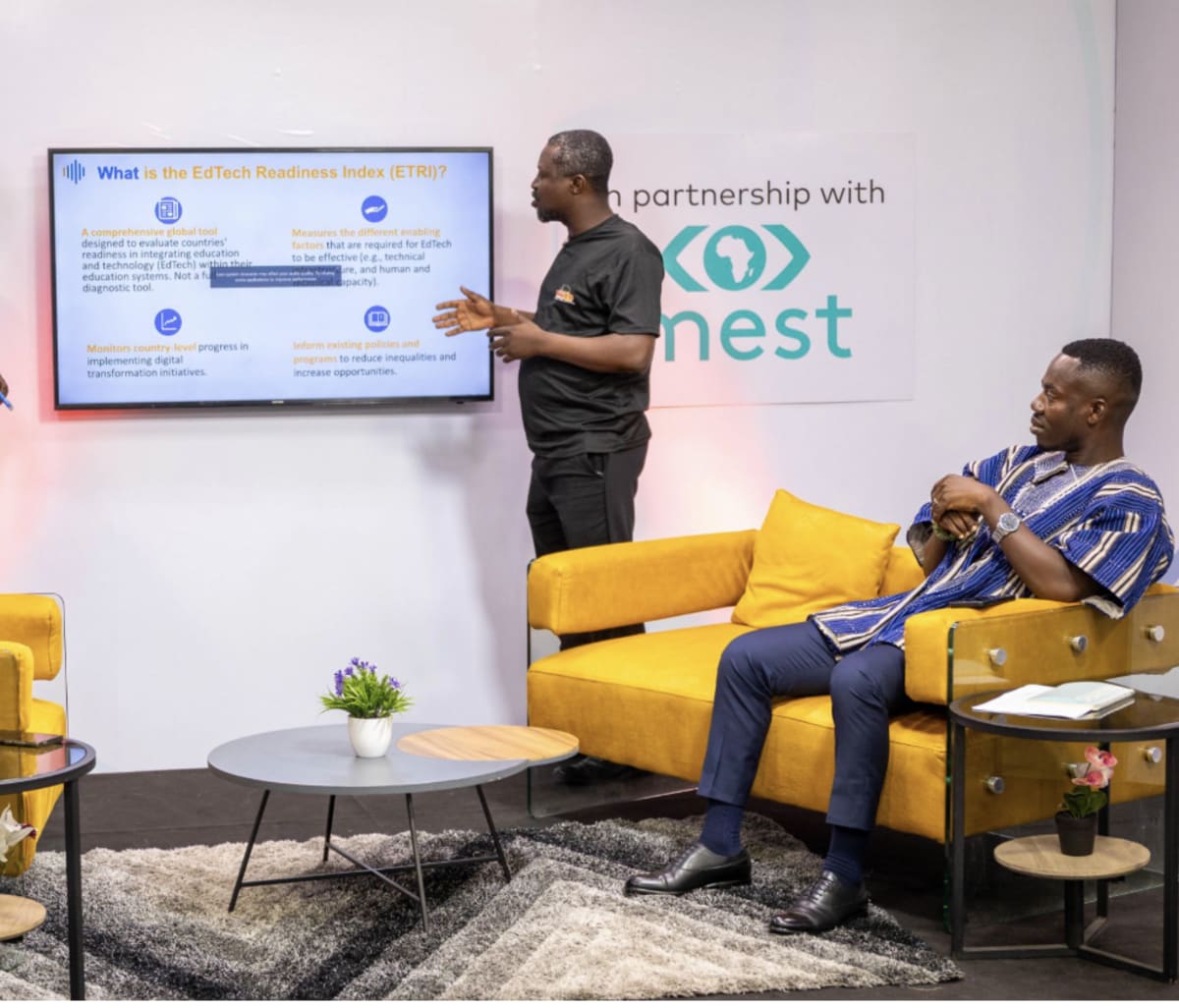
Ghana's Draft National EdTech Strategy represents a shift from isolated technology projects to a unified vision. The plan, discussed at February's EdTech Mondays Ghana event, aims to give every child equal access to digital learning tools, regardless of whether they attend school in Accra or a remote village.
The strategy rests on 13 thematic pillars designed to coordinate efforts between government, private companies, and educators. Professor Kofi Sarpong Adu Manu from the University of Ghana emphasized that success requires more than just distributing devices.
"We have a leadership gap," Prof. Adu Manu noted, pointing to unused gadgets sitting in boxes at schools across the country. The real challenge is ensuring school leaders integrate these tools into daily teaching.
Genevieve Simiyu of Chalkboard Education highlighted another critical shift needed: moving away from quick donor-funded projects toward sustainable partnerships. Too many EdTech initiatives have fizzled out once initial funding dried up, leaving schools stranded with outdated technology or broken promises.
The strategy focuses on seven core themes. Governance creates clear accountability, while infrastructure ensures reliable connectivity and power reach every region. Content development means creating digital materials that align with Ghana's curriculum and local context.
Digital literacy training targets both students and teachers, ensuring educators feel empowered rather than replaced by technology. Data utilization will help track learning outcomes, while data protection safeguards students' privacy.
Inclusion measures ensure children with disabilities aren't left behind in the digital transition. Larry Agbador from the Centre for National Distance Learning and Open Learning explained that whether a child attends a private urban school or a rural public one, they'll receive consistent quality digital content.
The Ripple Effect
The strategy recognizes teachers and parents as "digital guardians" for this generation. By training educators thoroughly, the plan helps them embrace technology as a tool that enhances their teaching rather than threatens their jobs. Parents receive guidance on supporting digital learning at home and advocating for their children's access to modern educational tools.
The "draft" status invites public input before final implementation. As Ghana moves forward, success depends on maintaining this collaborative approach rather than returning to the isolated efforts that characterized the past decade.
The complete conversation aired on MEST Africa's YouTube Channel, with EdTech Mondays continuing monthly discussions every last Monday at 9:15 am. These ongoing conversations ensure stakeholders stay engaged in shaping Ghana's educational future, turning fragmented efforts into coordinated progress that reaches every classroom.
Ghana is betting that coordinated strategy will finally deliver on technology's promise to democratize education for all its children.
Based on reporting by Myjoyonline Ghana
This story was written by BrightWire based on verified news reports.
Spread the positivity!
Share this good news with someone who needs it