Ghana Unveils Railway Plan to Connect Major Cities
Ghana just launched an ambitious railway master plan to link major cities across the country, promising better transport for millions and billions in new investment. The plan focuses on connecting mining regions and cocoa-producing areas to make rail transport profitable and attractive to private investors.
Ghana is building a railway network that could transform how millions of people and goods move across the country.
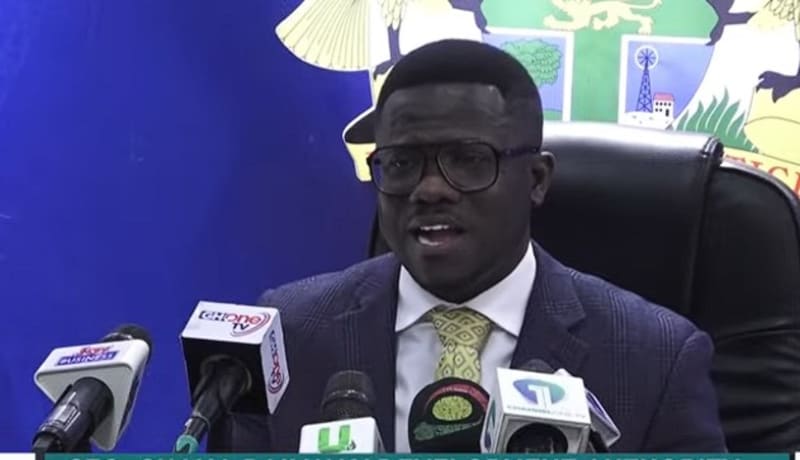
The Ghana Railway Development Authority unveiled its Railway Master Plan 2026 this week, a blueprint to connect major cities and create a reliable alternative to congested roads. Dr. Frederick Appoh, the authority's CEO, says the plan is designed to attract private investment by making rail transport genuinely profitable.
The key to success? Connecting railways to Ghana's economic powerhouses.
Dr. Appoh explained that the plan targets bulk transport from mining sectors, including manganese, bauxite, and iron ore, as well as links to cocoa-producing regions. While passenger services alone might not pay the bills, combining them with freight opportunities creates a winning formula for investors.
The master plan isn't just sitting on a shelf. The authority is launching a national roadshow to pitch the vision to potential private investors, working alongside trade and mining agencies to finalize details.
The Ripple Effect
This railway plan could reshape Ghana's economic landscape in ways that benefit everyone. Better rail connections mean lower transport costs for farmers getting cocoa to market and miners moving resources efficiently. That translates to more competitive prices and stronger industries.
For everyday Ghanaians, it means less crowded highways, shorter commute times, and new job opportunities in railway construction and operation. The focus on private investment also means the government won't shoulder the burden alone, making the project more sustainable long term.
Dr. Appoh emphasized that the railway system offers a strategic alternative to road transport, which currently handles most of Ghana's cargo and passenger needs. By shifting bulk freight to rails, the country can reduce wear on highways and cut transportation costs across multiple industries.
The plan represents years of coordination between government agencies, and now the real work of turning blueprints into tracks begins. With billions of dollars in potential private investment on the table, Ghana is betting that smart infrastructure can drive economic growth while making daily life better for millions.
Ghana's railway revival is moving full steam ahead.
Based on reporting by Google News - Ghana Development
This story was written by BrightWire based on verified news reports.
Spread the positivity!
Share this good news with someone who needs it