Ghana Volunteers Drive Development as Donor Funding Falls
As international funding dries up, Ghana is proving that local volunteers can power their own development. After 18 months, a groundbreaking project shows communities are ready to solve their own challenges.
When traditional development money started disappearing, Ghana discovered something powerful hiding in plain sight: its own people were ready to step up.
The STAR-Ghana Foundation just proved that volunteers can fill the gap left by shrinking international donations. Their 18-month project mobilized everyday Ghanaians and retired experts to tackle community problems, and the results exceeded every expectation.
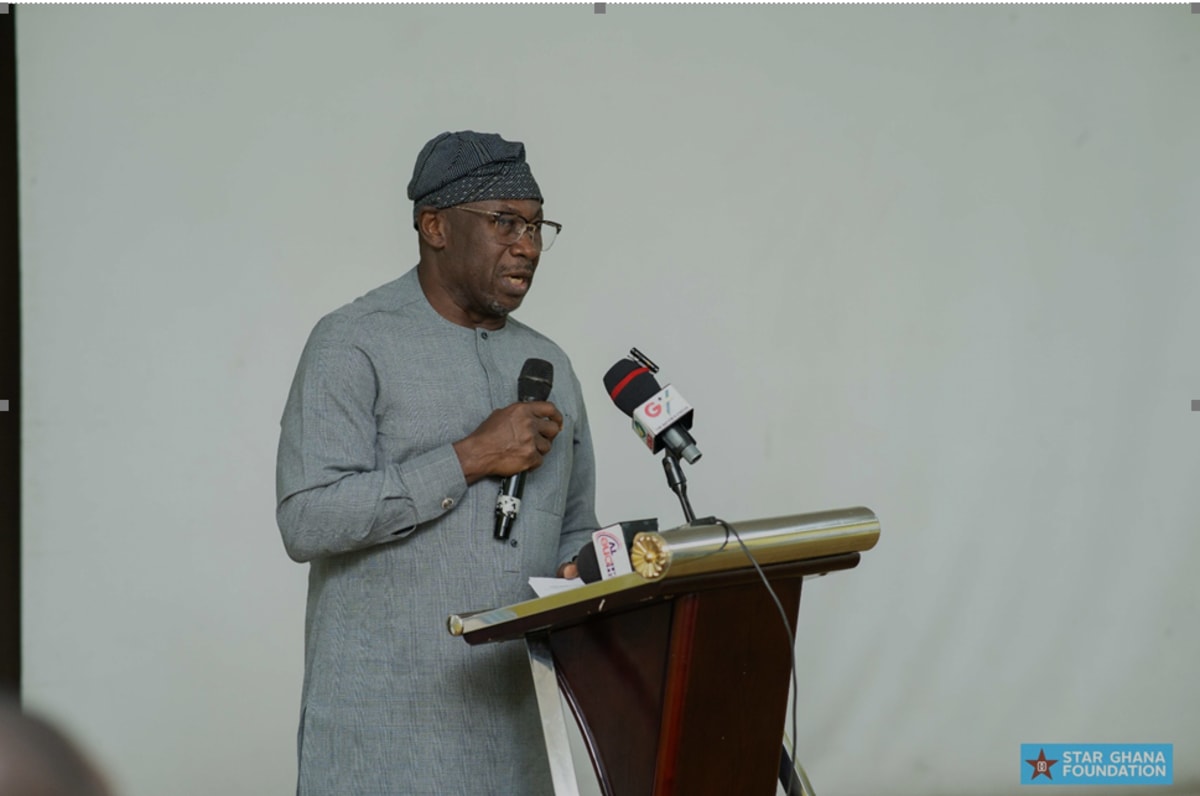
Executive Director Ibrahim-Tanko Amidu says the timing couldn't be more critical. Nearly every international donor has cut funding to Ghana, forcing communities to look inward for solutions instead of waiting for outside help.
The foundation launched two smart volunteer programs to meet the moment. The Expert Volunteer Programme connected experienced professionals and retirees with small community organizations that couldn't afford consultants. A second program helped local groups recruit their own neighbors to address urgent needs.
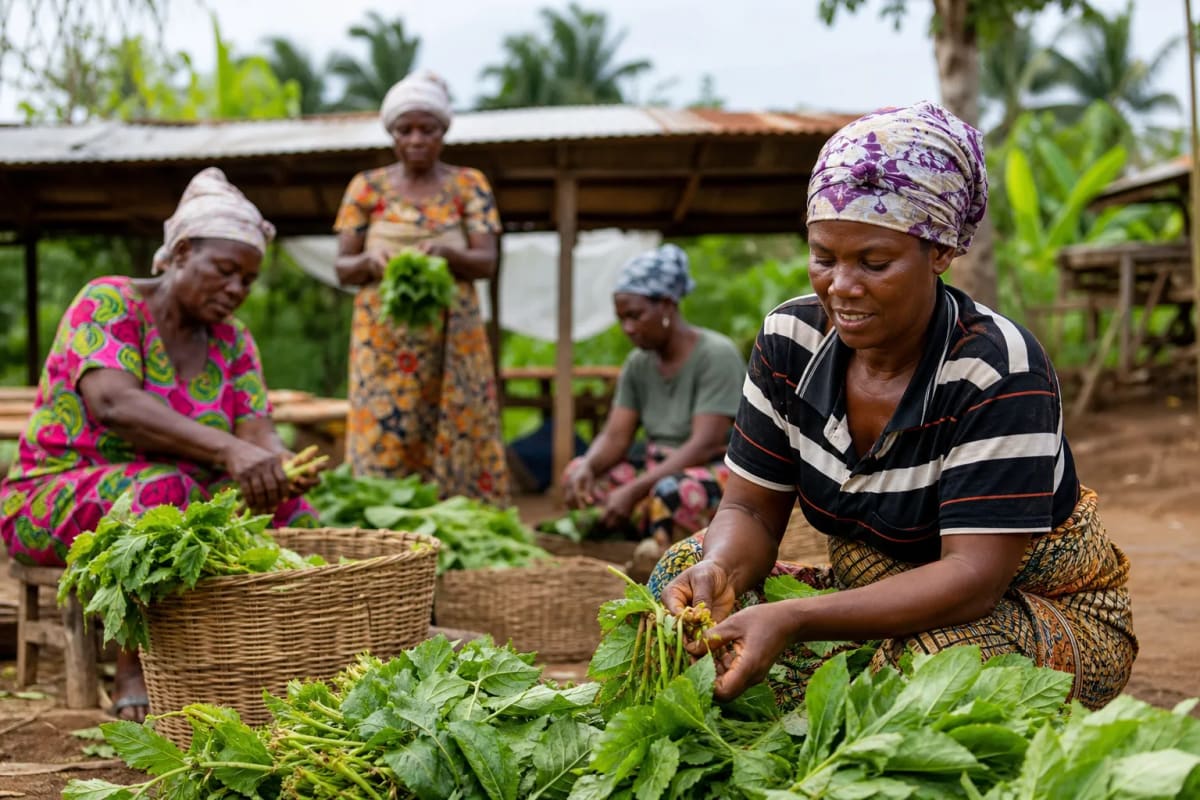
The results speak for themselves. Communities across Ghana used volunteers to improve healthcare, strengthen education, and hold local government accountable. Citizens who once sat on the sidelines became active problem-solvers in their own neighborhoods.
Amidu points out that volunteerism isn't new to Ghana. Communities have always helped themselves, but the rush toward outside-funded development made people forget their own power. "We have abandoned many of the practices that held our communities together," he explained.
The project tackled another urgent problem: declining civic engagement among young people. Democracy needs more than voters, Amidu stressed. It needs citizens who stay involved, watch what leaders do, and speak up when things go wrong.
The Ripple Effect
The real magic happened beyond the immediate projects. A new generation of active citizens emerged from the program, people who now see themselves as capable change-makers rather than passive aid recipients.
Communities didn't just own the results. They owned the entire process from start to finish. That shift from dependency to ownership changes everything about how development works.
Civil society organizations showcased their volunteer-led projects through displays and presentations, sharing lessons that other communities can now copy. The model proves that sustainable development doesn't always need massive budgets or foreign experts.
Ghana's volunteer revolution demonstrates a truth that applies far beyond its borders: the resources communities need most might already live next door.
More Images


Based on reporting by Google News - Ghana Development
This story was written by BrightWire based on verified news reports.
Spread the positivity!
Share this good news with someone who needs it